Standards for stainless steel high-pressure steel pipes
Date: 2024-03-04
Standards for stainless steel high-pressure steel pipes
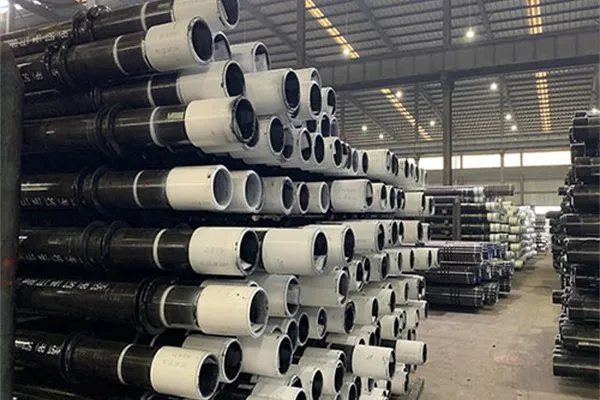
Stainless steel high-pressure steel pipe is a kind of pipe widely used in industrial fields. It has the characteristics of high-pressure resistance and corrosion resistance and is widely used in petroleum, chemical industry, aerospace, and other industries. When using stainless steel high-pressure steel pipes, it is very important to understand its standards, because the standards regulate important parameters such as the material, size, and manufacturing process of the pipe, ensuring the quality and safety performance of the pipe.
First, common standards for stainless steel high-pressure steel pipes
1. ASTM standard: ASTM is the abbreviation of the American Society for Testing and Materials. The standards it formulates are widely used in the production and trade of stainless steel high-pressure steel pipes around the world. ASTM standards are commonly used to stipulate material classification, chemical composition, mechanical properties, dimensions, and tolerances of stainless steel high-pressure steel pipes.
2. DIN standard: DIN is the abbreviation of the German Standardization Organization (Deutsches Institut für Normung), and its standards are relatively common in Europe. DIN standards are mainly used to regulate the manufacturing process, appearance quality, inspection methods, etc. of stainless steel high-pressure steel pipes.
3. GB standard: GB is the abbreviation of the National Standard of the People’s Republic of China (Guóbiāo), also known as the national standard. It is an important reference for the production and use of stainless steel high-pressure steel pipes in China. The GB standard mainly stipulates the classification, naming rules, technical requirements, test methods, etc. of stainless steel high-pressure steel pipes.
Second, the role of stainless steel high-pressure steel pipe standards
1. Unified product quality standards: The standards for stainless steel high-pressure steel pipes stipulate the requirements for materials, chemical composition, mechanical properties, etc., ensuring the quality stability, and reliability of the products. By following standards, manufacturers and users can better conduct product selection and quality control.
2. Ensure product safety performance: High-pressure steel pipes are subject to greater pressure and load during use, so their safety performance is particularly important. The standard stipulates the dimensions, tolerances, pressure tests, and other parameters of high-pressure steel pipes, ensuring the safe operation of pipes in high-pressure environments.
3. Promote international trade and cooperation: Different countries and regions may adopt different standards, which brings certain obstacles to international trade and cooperation. By formulating unified stainless steel high-pressure steel pipe standards, trade barriers can be reduced and the smooth progress of international trade and cooperation can be promoted.
Third, the content of stainless steel high-pressure steel pipe standards
1. Material requirements: The standards of stainless steel high-pressure steel pipes usually stipulate the material categories of pipes, such as 304, 316, etc. Different materials have different corrosion resistance and mechanical properties, and they need to be selected according to specific conditions when using them.
2. Dimensions and tolerances: Standards generally stipulate the outer diameter, wall thickness, length, and other dimensional parameters of stainless steel high-pressure steel pipes, and specify the tolerances of these dimensional parameters. These regulations help ensure the interchangeability and connectivity of pipes.
3. Technical requirements: The standards for stainless steel high-pressure steel pipes will also provide detailed regulations on their manufacturing process, chemical composition, mechanical properties, pressure test, etc. to ensure the quality and reliability of the pipes.
4. Inspection methods: Standards usually stipulate inspection methods and requirements for stainless steel high-pressure steel pipes, including appearance inspection, chemical composition analysis, mechanical property testing, etc. These inspection methods assist in quality control and performance evaluation of pipes.
In short, understanding the standards of stainless steel high-pressure steel pipes is crucial to selecting appropriate pipe materials and ensuring the quality and safety performance of the pipes. Different countries and regions may adopt different standards, so when conducting international trade and cooperation, standards need to be converted and compared to ensure product compliance and reliability. At the same time, the formulation and application of standards also need to keep pace with the times, be revised and updated according to the development and needs of the industry, and promote the healthy development and technological progress of the stainless steel high-pressure steel pipe industry.
Post time: Mar-04-2024










 English
 Español
 русский язык
 Português