Introduction to SA333Gr.6 Seamless Steel Pipe Standards, Material Composition, and Manufacturing Details
Date: 2025-11-10
Introduction to SA333Gr.6 Seamless Steel Pipe Standards, Material Composition, and Manufacturing Details
First. Introduction to SA333Gr.6 Seamless Steel Pipe Standards.
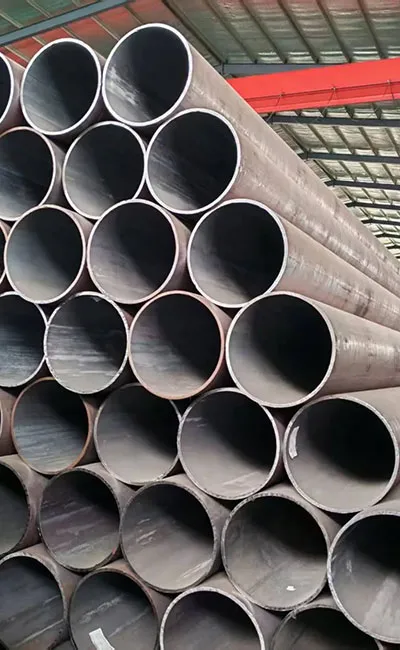
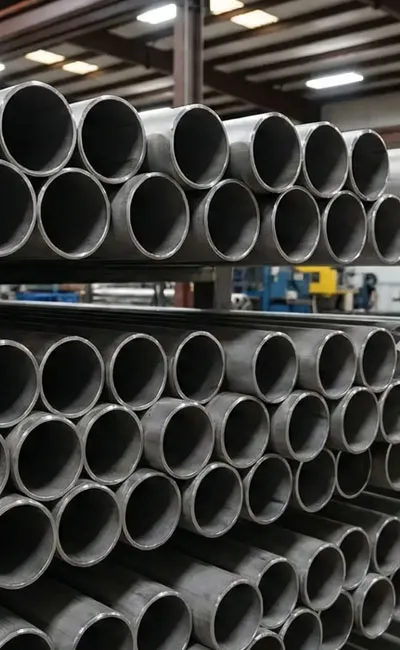
SA333Gr.6 seamless steel pipe is a low-temperature seamless steel pipe manufactured according to the American Society of Mechanical Engineers (ASME) standard ASME SA-333M. This standard mainly regulates the requirements for materials, manufacturing processes, dimensional accuracy, mechanical properties, and many other aspects of seamless steel pipes used in low-temperature environments.
Second. Material Composition and Properties of SA333Gr.6 Seamless Steel Pipe
1. Chemical Composition: The main chemical components of SA333Gr.6 steel include a carbon content generally below 0.30%, a manganese content approximately between 0.29% and 1.06%, and a silicon content of approximately 0.18% to 0.37%. The proper ratio of these elements helps the steel pipe achieve good strength and toughness. For example, an appropriate amount of manganese can improve the strength and toughness of the steel, and silicon also plays a role in deoxidation and strengthening of the steel.
2. Mechanical Properties: This type of steel pipe exhibits excellent performance in low-temperature environments. Its minimum yield strength (YS) is typically around 240 MPa, tensile strength (TS) is generally between 415 and 655 MPa, and elongation (EL) is not less than 30% (this varies depending on the sample size and test conditions). Its good low-temperature toughness allows it to effectively prevent brittle fracture in cold environments, such as cryogenic liquid transport pipelines and polar equipment applications.
Third, Manufacturing Process of SA333Gr.6 Seamless Steel Pipe: During production, strict requirements are placed on the selection of raw materials for SA333Gr.6 seamless steel pipe. In the steelmaking stage, precise control of the chemical composition is necessary to ensure that the content of each element meets the standards. The forming of the steel pipe typically employs processes such as hot extrusion or cold drawing. Hot extrusion allows the steel to be formed under high temperature and pressure, helping to eliminate some internal defects; cold drawing improves the dimensional accuracy and surface quality of the steel pipe. In the subsequent heat treatment stage, normalizing or normalizing plus tempering is generally performed. Normalizing refines the grain size, improves the strength and toughness of steel, and enhances its machinability. Normalizing, combined with tempering, further adjusts the steel’s microstructure, reduces internal stress, and improves the overall performance of the steel pipe.
Fourth, Dimensional Accuracy and Appearance Quality of SA333Gr.6 Seamless Steel Pipes.
1. Dimensional Accuracy: The ASME SA-333M standard has strict regulations on the dimensions of steel pipes. The permissible deviation for the outer diameter is generally ±0.5% (this may be adjusted depending on the specific outer diameter range), and the permissible deviation for the wall thickness is also defined in detail. For example, for steel pipes with a certain wall thickness range, the wall thickness deviation may be around ±12.5%. This strict dimensional accuracy requirement ensures the adaptability of the steel pipe during installation and use.
2. Appearance Quality: The surface of seamless steel pipes should be smooth and free from defects such as cracks, folds, delamination, and scale that affect performance. There are also certain requirements for the surface roughness of seamless steel pipes to ensure sealing and wear resistance when used with other components.
Fifth, Application Areas of SA333Gr.6 Seamless Steel Pipes
SA333Gr.6 seamless steel pipes are mainly used in fluid transportation pipelines in low-temperature environments, such as liquefied natural gas (LNG) pipelines and cryogenic chemical pipelines. In industries such as petrochemicals and natural gas processing, when storing and transporting cryogenic liquids or gases, this type of steel pipe can effectively resist the adverse effects of low temperatures on material properties, ensuring the safe and reliable operation of the pipeline system. It also has wide applications in polar scientific research equipment and cryogenic refrigeration equipment.
Post time: Nov-10-2025










 English
 Español
 русский язык
 Português