Models of stainless steel pipes commonly used in industrial projects
Date: 2025-03-04
Models of stainless steel pipes commonly used in industrial projects
Stainless steel is a corrosion-resistant metal material that is widely used in various fields, among which stainless steel pipes are one of the most common applications. Stainless steel pipes have excellent corrosion resistance and beautiful appearance and are widely used in chemical, food, medicine, construction, and other fields. According to different uses and scenarios, stainless steel pipes have different models and specifications.
First, the classification of stainless steel pipe models
The models of stainless steel pipes can be divided according to different classification methods. Common classification methods include:
1. According to the thickness of the pipe wall: it can be divided into thin-walled stainless steel pipes and thick-walled stainless steel pipes. The wall thickness of thin-walled stainless steel pipes is between 0.1 and 1 mm, which is suitable for conveying fluids and low-pressure pipelines; the wall thickness of thick-walled stainless steel pipes is above 1 mm, which is suitable for high-pressure pipelines and structural materials.
2. According to the size of the pipe diameter: it can be divided into small-diameter stainless steel pipes, medium-diameter stainless steel pipes, and large-diameter stainless steel pipes. The diameter of small-diameter stainless steel pipes is between 10 and 50 mm, the diameter of medium-diameter stainless steel pipes is between 50 and 200 mm, and the diameter of large-diameter stainless steel pipes is above 200 mm.
3. According to the production process: it can be divided into seamless stainless steel pipes and welded stainless steel pipes. Seamless stainless steel pipes are produced by rolling or extrusion processes, with high strength and corrosion resistance; welded stainless steel pipes are produced by welding processes, with fast production speed and low cost.
Second, common stainless steel pipe models
1. 304 stainless steel pipe: 304 stainless steel pipe is one of the most common stainless steel pipes on the market, with good corrosion resistance and processing performance, suitable for various fields. According to different uses and scenarios, 304 stainless steel pipes have different specifications and uses. For example, 304 thin-walled stainless steel pipes are mainly used for conveying fluids and low-pressure pipelines, while 304 thick-walled stainless steel pipes are mainly used for high-pressure pipelines and structural materials.
2. 316 stainless steel pipe: 316 stainless steel pipe is another common stainless steel pipe with better corrosion resistance and high temperature performance, suitable for chemical, marine, and other fields. Compared with 304 stainless steel pipes, 316 stainless steel pipes are more expensive, but have better corrosion resistance and high temperature performance.
3. Seamless stainless steel pipes: Seamless stainless steel pipes are produced by rolling or extrusion process and have higher strength and corrosion resistance. The price of seamless stainless steel pipes is higher, but it is suitable for occasions with high requirements for strength and corrosion resistance.
4. Welded stainless steel pipes: Welded stainless steel pipes are produced by the welding process, with faster production speed and lower cost. The welding quality and precision of welded stainless steel pipes are easily affected, and they are suitable for occasions with high-cost requirements and low precision requirements.
Third, the application scenarios of stainless steel pipes
1. Chemical industry: Stainless steel pipes have excellent corrosion resistance and are suitable for conveying corrosive liquids and gases. For example, in chemical reactors, stainless steel pipes can be used to convey corrosive liquids such as acids and alkalis.
2. Food field: Stainless steel pipes have a beautiful appearance and excellent hygienic properties, and are suitable for food processing and transportation. For example, in beverage production lines, stainless steel pipes can be used to convey beverages.
3. Medical field: Stainless steel pipes have high chemical stability and corrosion resistance, and are suitable for conveying drugs and medical devices. For example, in the infusion tube of the hospital, stainless steel pipes can be used to transport medicines and blood.
4. Construction field: Stainless steel pipes have excellent corrosion resistance and beautiful appearance, and are suitable for building structures and decorations. For example, in buildings such as bridges and highways, stainless steel pipes can be used to make structural supports and decorations.
Fourth, the key points of stainless steel pipe selection
When purchasing stainless steel pipes, the following points need to be considered:
1. Material: The material of the stainless steel pipe directly affects its corrosion resistance and processing performance. Common materials include 304, 316, etc. It is necessary to select the appropriate material according to the use environment and requirements.
2. Specifications: The specifications of stainless steel pipes include pipe diameter, wall thickness, etc. It is necessary to select the appropriate specifications according to actual needs and use requirements.
3. Production process: The production process of stainless steel pipes affects its quality and performance. Seamless stainless steel pipes are produced by rolling or extrusion, and welded stainless steel pipes are produced by welding. It is necessary to select the appropriate production process according to actual needs.
4. Surface quality: The surface quality of stainless steel pipes affects its aesthetics and performance. You need to choose stainless steel pipes with smooth surfaces, no scratches, and no burrs.
5. Brand and quality certification: Choose stainless steel pipes from well-known brands and check whether they have passed quality certifications such as ISO9001. This helps ensure the quality and reliability of stainless steel pipes.
Fifth, storage and use precautions for stainless steel pipes
When storing and using stainless steel pipes, you need to pay attention to the following matters:
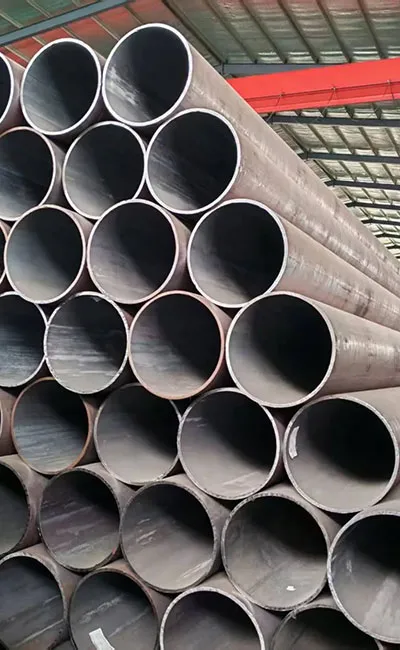
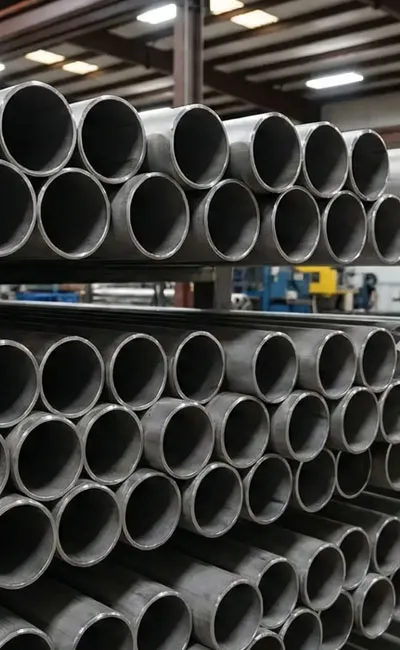
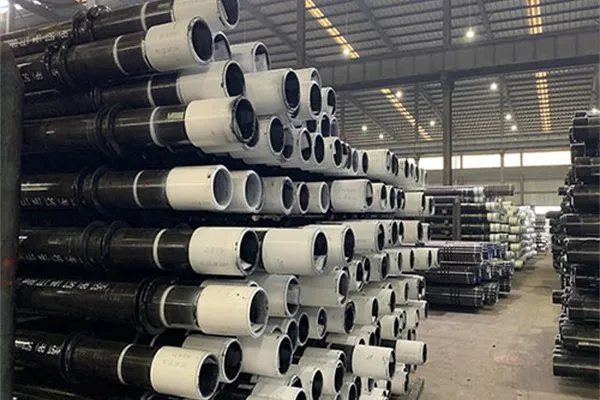
1. Storage: Stainless steel pipes should be stored in a dry, ventilated warehouse without corrosive substances, avoiding direct sunlight and humid environments. When stacking, the pipes need to be supported with pads or brackets to avoid direct contact between the pipes and the ground.
2. Use: When using stainless steel pipes, you need to avoid contact with sharp objects and scratch the surface of the pipes. When connecting pipes, you need to use special stainless steel welding rods or bolts and avoid using iron tools to contact the stainless steel surface.
3. Cleaning: During use, you need to clean the surface of the stainless steel pipe regularly to keep it clean and tidy. When cleaning, you need to wipe it with a soft cloth and avoid using rough cloth or chemicals.
4. Maintenance: During use, it is necessary to regularly check the use of stainless steel pipes. If any abnormality is found, it should be handled in time. When repairing, special stainless steel repair tools and materials need to be used, and iron tools and materials should be avoided.
In short, stainless steel pipes are a material with excellent performance and are widely used in various fields. When purchasing and using stainless steel pipes, multiple factors need to be considered, including material, specifications, production process, surface quality, brand, and quality certification. At the same time, attention should also be paid to maintenance and care during storage and use to ensure its performance and service life.
Post time: Mar-04-2025










 English
 Español
 русский язык
 Português