Understand the impact of wall thickness on galvanized steel pipes
Date: 2025-03-05
Understand the impact of wall thickness on galvanized steel pipes
With the continuous development of the construction, engineering, and manufacturing industries, steel, as an important building material, is widely used in various fields. Galvanized steel pipes, as an important form of steel, play an important role in the fields of construction, petroleum, chemical industry, etc. When choosing galvanized steel pipes, wall thickness is an important consideration.
1. What is the wall thickness of 114 galvanized steel pipes?
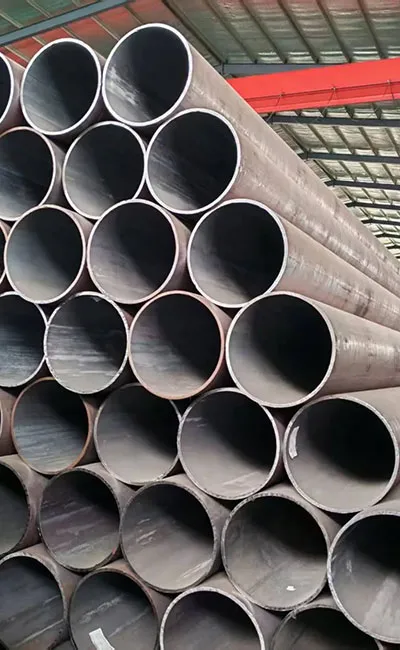
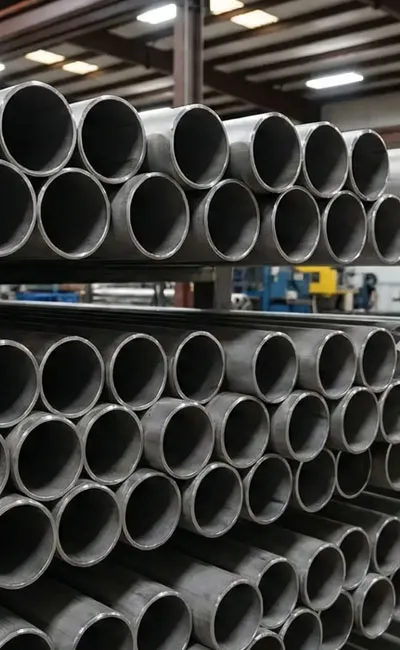
The wall thickness of 114 galvanized steel pipes refers to the thickness of the steel pipe wall, which is usually measured in millimeters (mm). The choice of steel pipe wall thickness is closely related to the purpose of the steel pipe. In different application scenarios, different thicknesses of steel pipe walls may be required to meet different needs.
2. Galvanizing process of galvanized steel pipes
Galvanizing is the process of coating the surface of a steel pipe with a layer of zinc to prevent the steel pipe from being eroded by oxidation, corrosion, and other factors. Common galvanizing processes include hot-dip galvanizing and cold-dip galvanizing.
Hot-dip galvanizing is to immerse the steel pipe in preheated zinc liquid to combine the zinc with the surface of the steel pipe through a chemical reaction. This process has good corrosion resistance and durability and is suitable for most occasions that require corrosion resistance.
Cold galvanizing is to spray a layer of zinc coating on the surface of the steel pipe. Compared with hot-dip galvanizing, the cold galvanizing process is simpler and the cost is relatively low, but its corrosion resistance and durability are poor.
3. Factors for selecting the wall thickness of 114 galvanized steel pipe
(1) Strength requirements: The selection of steel pipe wall thickness is closely related to the required strength. Generally, steel pipes with thicker walls have higher strength and can withstand greater pressure and load. Therefore, in occasions that need to withstand greater forces, choosing 114 galvanized steel pipes with thicker walls is a safer and more reliable choice.
(2) Use environment: Different use environments have different requirements for steel pipes. For example, in a humid and highly corrosive environment, choosing a galvanized steel pipe with thicker walls can improve its corrosion resistance and extend its service life.
(3) Cost considerations: The increase in steel pipe wall thickness will increase material and processing costs. Therefore, when determining the wall thickness, it is also necessary to comprehensively consider the project’s budget constraints and specific use requirements.
4. The influence of wall thickness on 114 galvanized steel pipe
(1) Strength and bearing capacity: 114 galvanized steel pipe with thicker wall has higher strength and bearing capacity, and is suitable for occasions with greater pressure and load.
(2) Anti-corrosion performance: A galvanized steel pipe with a thicker wall has better corrosion resistance, can better resist the erosion of moisture, acid, and alkali environment, and extend the service life.
(3) Cost and weight: Steel pipe with thicker walls is usually heavier, which increases the difficulty of transportation and installation. In addition, the larger wall thickness will also increase the material and processing costs.
5. Choose the appropriate wall thickness of 114 galvanized steel pipe
When choosing the wall thickness of 114 galvanized steel pipe, various factors should be considered comprehensively according to the specific use requirements. If higher strength and bearing capacity are required, steel pipe with thicker walls can be selected; if it is used in harsh environments, steel pipe with thicker walls can be selected to improve the anti-corrosion performance; if the budget is limited or the weight requirement is low, steel pipe with thinner wall can be appropriately selected.
In short, the wall thickness of 114 galvanized steel pipe is a key selection factor that directly affects the performance and application range of the steel pipe. When choosing, you need to fully consider factors such as the use environment, budget constraints, and strength requirements to find the most suitable wall thickness of the steel pipe. At the same time, it is recommended to choose products from regular manufacturers when purchasing steel pipes to ensure reliable quality.
Post time: Mar-05-2025










 English
 Español
 русский язык
 Português