Company News

Hunan Great Steel Pipe Co., Ltd
spiral welded pipe,alloy steel seamless pipes,oil tubing

Problems in the regulations and selection standards for thick-walled steel pipes in engineering

Date: 2024-05-30
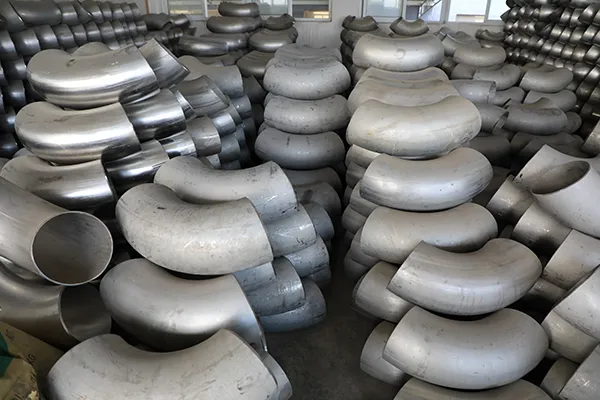
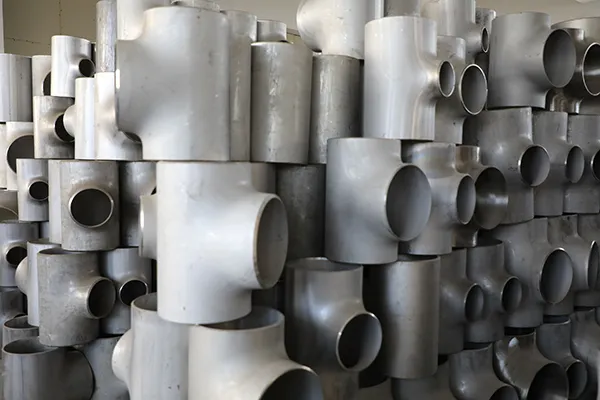
Problems in the regulations and selection standards for thick-walled steel pipes in engineering Regulations for thick-walled steel pipes in engineering: corresponding regulations and various regulations for the actual selection and use of thick-walled pipe fittings. When thick-walled steel pipes and thick-walled pipe fittings are selected or used, they must first follow the relevant regulations and various regulations in the specifications, especially for pipelines that transport extremely or highly hazardous fluid media, flammable media, and high-pressure gases. Under this premise, the type of pipe fittings is mainly determined based on the purpose and conditions of use (pressure, temperature, fluid medium). Problems in the selection standards for thick-walled steel pipes: 1. Formulated from the standard system. For the selection in the project, there are standards for pipes, but there are no corresponding standards for forgings or castings. The reality is that the standards for pipe fittings and forgings borrow the standards for forgings of pressure vessels, without considering the differences between the two, such as welding, film inspection, and other regulations. 2. The standards for pipe fittings vary greatly, and the content lacks consistency and systematicity, resulting in contradictions in the connection, and causing inconvenience in use. 3. There is no type test standard for pipe fittings. Only GB12459 and GB13401 standards specify the pressure calculation for the burst test of steel butt-welded seamless pipe fittings and steel plate butt-welded pipe fittings. There are no other types of test standards or implementation standards to ensure the manufacturing of pipe fittings. Thick-walled seamless pipe weight formula: [(outer diameter-wall thickness)*wall thickness]*0.02466=kg/meter (weight per meter). Determination of the strength grade of thick-walled steel pipes: 1) Pipe fittings that express their grade or specify pressure-temperature ratings in nominal pressure should use the pressure-temperature rating specified in the standard as their use basis, such as GB/T17185; 2) For pipe fittings that only specify the nominal thickness of the straight pipe connected to them in the standard, their applicable pressure-temperature ratings should be determined according to the benchmark pipe grade specified in the standard, such as GB14383~GB14626. 3) For pipe fittings that only specify the external dimensions in the standard, such as GB12459 and GB13401, their pressure-bearing strength should be determined through verification tests. 4) For others, the use benchmark should be determined by pressure design or analytical analysis by relevant regulations. In addition, the strength grade of the pipe fittings should not be lower than the pressure under the severe working conditions that the entire pipeline system may encounter during operation. Post time: May-30-2024

Latest news list

  • steel pipe fitting thermal expansion and vibration,steel elbow vibration,piping thermal movement,steel tee stress
    Steel tees,reducers and elbows operate as part of a connected piping system,When temperatures change or equipment generates vibration,loads can develop at fittings,joints,supports and equipment connections,If these effects are not properly addressed,the system may experience excessive movement,leakage or fatigue-related damage,Managing thermal expansion and vibration requires more than inspecting an individual fitting,Engineers need to consider the piping layout,operating conditions,support arrangement and the behavior of the complete system,
  • how to choose a steel tee,steel tee selection,steel tee buying guide,equal tee vs reducing tee,steel tee procurement
    Selecting a steel tee for an industrial piping project involves more than matching pipe sizes,The fitting must meet the piping layout,material specification,connection requirements and operating conditions,An incorrect specification can lead to installation delays,additional inspection or costly changes after procurement,For project buyers and engineers,the best starting point is a complete technical inquiry that defines what the piping system requires,
  • Steel Elbow erosion,Steel Elbow wear,piping erosion,Steel Elbow wall thickness inspection,abrasive flow,Steel Elbow inspection
    Steel Elbows redirect flow in industrial piping systems,but this change in direction can make them vulnerable to localized erosion,When fluids carry sand,scale,catalyst particles or other solids,repeated particle impacts may gradually reduce the Steel Elbow wall thickness,Corrosion can accelerate the damage when the fluid is also chemically aggressive,Reducing Steel Elbow erosion starts with identifying the wear mechanism,reviewing operating conditions and tracking wall-thickness changes,The right solution depends on the process,material,fitting geometry and piping design,
  • steel reducer manufacturing,steel reducer quality control,steel reducer inspection,concentric reducer,eccentric reducer,steel pipe fitting production
    A steel reducer connects pipes of different diameters while providing a controlled transition in a piping system,Its dimensions,material properties and wall-thickness distribution affect installation,flow conditions and service reliability,For project buyers,understanding steel reducer manufacturing and quality control helps ensure that the supplied fittings match the piping design and applicable specifications,
  • steel pipe fitting leakage prevention,steel tee leakage,steel reducer connection,steel elbow joint
    Leakage at steel pipe fitting connections can cause unplanned shutdowns,fluid loss,maintenance costs and safety risks,A steel tee,reducer or elbow may meet its dimensional requirements,yet the connection can still leak because of poor fit-up,joining defects,damaged sealing surfaces or excessive operating loads,Preventing leakage requires attention to the complete piping system,from component selection and installation to inspection and operation,The correct approach depends on whether the connection is welded,flanged or threaded,

Find what you need ?

close
We use cookies and other tracking technologies to improve your browsing experience on our website, to show you personalized content and targeted ads, to analyze our website traffic, and to understand where our visitors are coming from.