Industry News

Hunan Great Steel Pipe Co., Ltd
spiral welded pipe,lsaw pipe,304 stainless steel pipe

Reasons for the rust of spiral welded pipe

Date: 2023-03-23
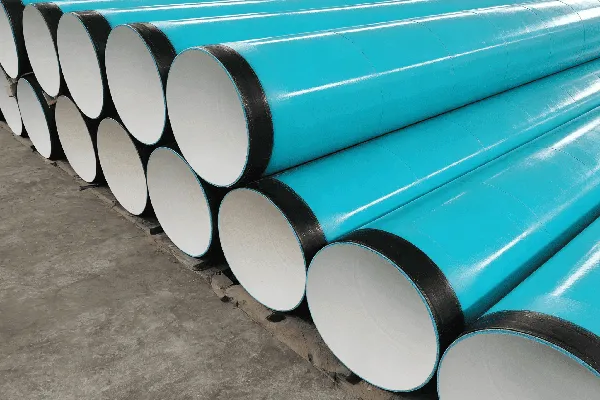
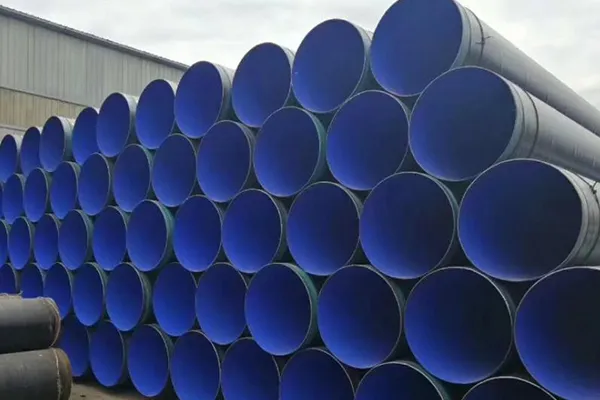
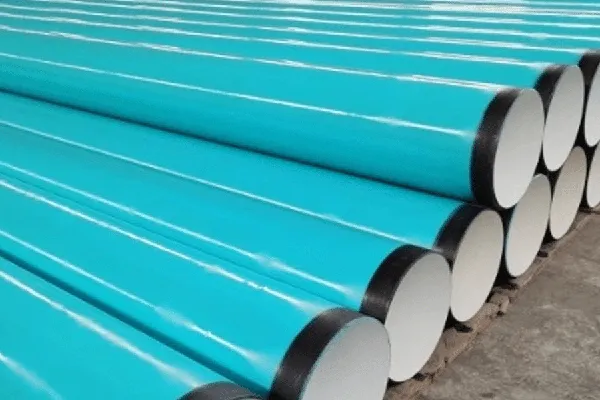
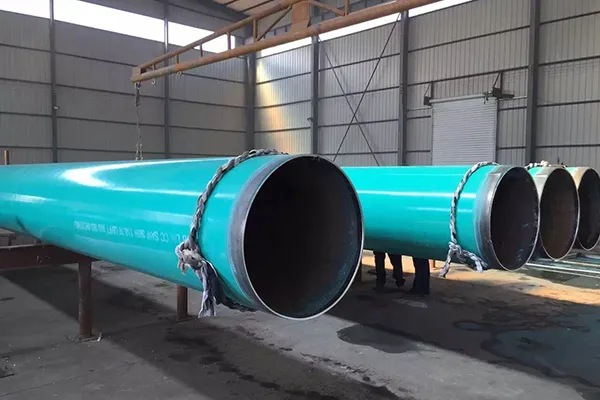
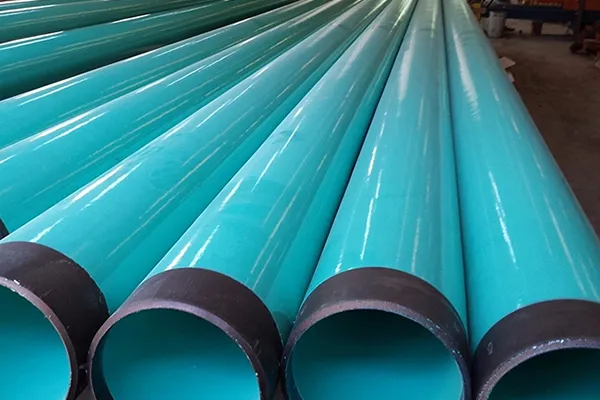
Reasons for the rust of spiral welded pipe Spiral welded pipes (ssaw) are stacked outdoors, and most of them are buried underground when in use, so they are easy to corrode and rust. In order to ensure the smooth flow of the pipeline, the spiral welded pipe must have strong corrosion resistance. Once the pipeline is corroded, it will cause oil and gas leakage, which will not only interrupt the transportation, but also pollute the environment, and may even cause fire and harm. Spiral welded pipe manufacturers will tell you about the factors that cause corrosion of spiral welded pipes: The reasons for the rust of the spiral welded pipe: 1. Corrosion failure. When the pipeline is erected, it is necessary to do a good job of anti-corrosion work or directly use anti-corrosion spiral steel pipes. The reason for the corrosion of the pipeline is that the anti-corrosion layer of the pipeline has been damaged. Once the anti-corrosion layer and the surface of the pipeline are separated, it will naturally cause anti-corrosion failure. This is also the ladder type. We should choose anti-corrosion spiral welded pipe when purchasing spiral welded pipe. 2. The influence of external conditions. The main thing is to first look at the characteristics and temperature of the medium around the pipeline, and whether the medium around the pipeline is corrosive. Because the corrosiveness of the medium is closely related to the various microorganisms contained in the soil. And if it is a long-distance pipeline, the nature of the soil environment is more complicated. In addition, the temperature of the environment where the pipeline is located will also affect the corrosion of the spiral welded pipe. If the temperature is higher, the corrosion rate will be accelerated, while the temperature is lower, the corrosion rate will be slowed down. Post time: Mar-23-2023

Latest news list

  • FBE steel pipe field joint coating,FBE pipe welding protection,field joint coating,FBE coating repair,FBE field joint inspection
    FBE (fusion-bonded epoxy) coating provides external corrosion protection for steel pipes used in pipeline projects,However,during pipeline construction,the coating near pipe ends must be protected while individual pipe sections are joined by welding,The exposed joint area then requires a suitable field joint coating system,If this work is not properly controlled,damage or poor bonding at the joint can compromise the continuity of the pipeline's corrosion protection,Protecting the factory coating and applying the correct field joint system are therefore important parts of pipeline construction,
  • how to choose FBE coated steel pipe,FBE pipe selection,FBE coated pipeline requirements,FBE coated steel pipe size,FBE coated steel pipe purchase
    Selecting FBE coated steel pipes for a pipeline project involves more than specifying pipe diameter,wall thickness and coating thickness,Buyers must consider the base pipe,coating system,operating environment,installation conditions and inspection requirements as one coordinated package,A well-defined purchase specification helps prevent material mismatches,coating defects and documentation gaps before production begins,The following points provide a practical checklist for engineers,EPC contractors and procurement teams,
  • FBE coating and cathodic protection,FBE coated steel pipe,external pipeline corrosion control,cathodic protection monitoring,FBE coating disbondment
    Buried steel pipelines are exposed to moisture,soil chemicals and other environmental conditions that can cause external corrosion,To reduce this risk,pipeline projects commonly combine external fusion-bonded epoxy (FBE) coating with cathodic protection (CP),Although both methods help protect steel against corrosion,they work in different ways,FBE coating provides a physical barrier between the pipe surface and its surroundings,while cathodic protection uses an electrochemical process to reduce corrosion at exposed areas,Their effectiveness depends on proper design,installation,inspection and long-term monitoring,
  • FBE coated steel pipe quality control,FBE coating inspection,FBE coating thickness measurement,FBE pipe inspection,FBE coating quality control
    The quality of an FBE (Fusion Bonded Epoxy) coated steel pipe cannot be judged by its appearance alone,A smooth coating surface does not necessarily mean that the coating has achieved the required thickness,adhesion,or curing condition,For pipeline applications,quality control starts with the incoming bare steel pipe and continues through surface preparation,coating application,curing,and final inspection,Each stage should follow an approved procedure and the requirements specified for the project,A documented inspection process also allows buyers to verify that the supplied pipes meet the agreed technical requirements,
  • FBE coated steel pipes for buried pipelines,buried pipeline corrosion protection,FBE coated steel pipe installation
    FBE (Fusion Bonded Epoxy) coating is widely used to protect steel pipes against external corrosion in buried pipeline systems,It forms a protective barrier between the steel surface and the surrounding soil,However,coating performance depends on more than the quality of the factory-applied layer,Soil conditions,transportation,installation,field joint protection and cathodic protection all affect the long-term integrity of a buried pipeline,A reliable protection strategy should address these factors before the pipe is placed underground,

Find what you need ?

close
We use cookies and other tracking technologies to improve your browsing experience on our website, to show you personalized content and targeted ads, to analyze our website traffic, and to understand where our visitors are coming from.