What inspections are required after submerged arc steel pipe production
Date: 2024-01-03
What inspections are required after submerged arc steel pipe production
During the production of submerged arc steel pipes, the temperature must be strictly controlled to ensure the reliability of the welding. If the temperature is too low, the welding position may not reach the temperature required for welding. When most of the metal structure is still solid, it is difficult for the metals at both ends to penetrate each other and join together. At that time, when the temperature was too high, there was a lot of metal in the molten state at the welding position. The texture of these parts was very soft and had corresponding fluidity, and there might be molten droplets. When such metal dripped, There is also not enough metal to penetrate each other. And during welding, there will be some unevenness and welding seams to form molten holes.
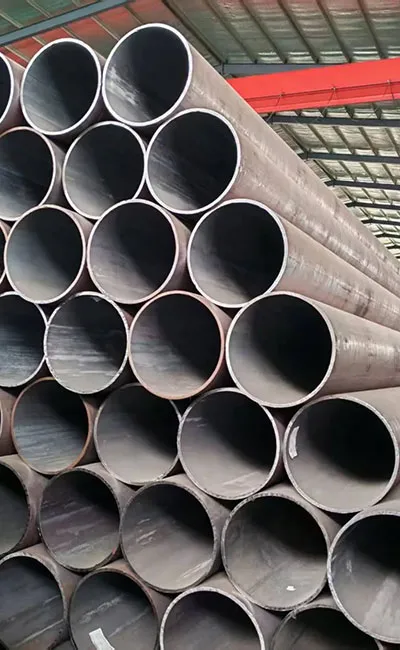
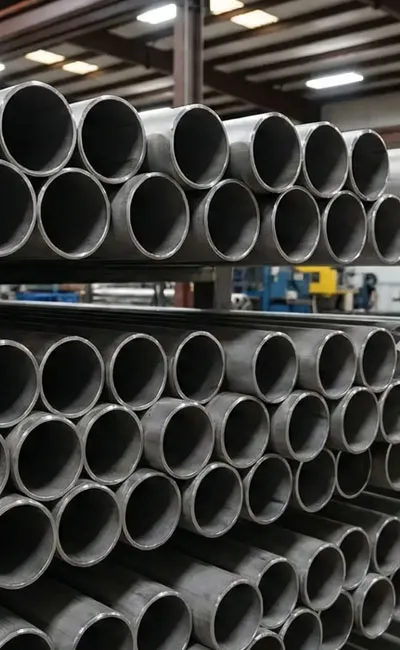
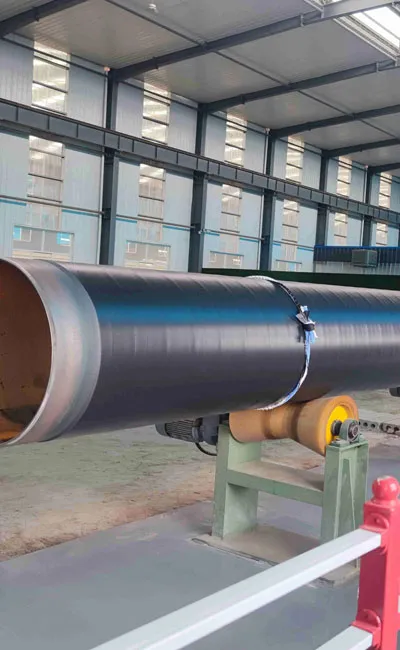
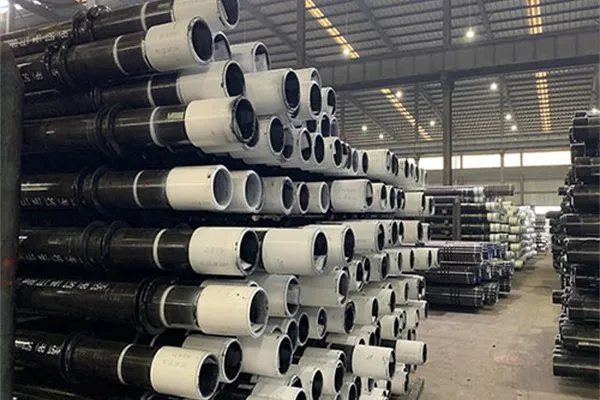
Submerged arc steel pipes can be used for liquid transportation: water supply and drainage. For gas transportation: coal gas, steam, liquefied petroleum gas. For structural purposes: piling pipes, bridges; pipes for docks, roads, building structures, etc. Submerged arc steel pipes are spiral seam steel pipes that are made of strip steel coils as raw materials, extruded at regular temperatures, and welded by automatic double-wire double-sided submerged arc welding technology. The head and tail of the steel strip are butt-joined using single-wire or double-wire submerged arc welding. After being rolled into a steel pipe, automatic submerged arc welding is used for repair welding. Using external control or internal control roller forming. Both internal and external welding use electric welding machines for single-wire or double-wire submerged arc welding to obtain stable welding specifications.
What inspections do submerged arc steel pipes need to undergo after production?
(1) Hydraulic pressure test: The expanded steel pipes are inspected one by one on a hydraulic pressure testing machine to ensure that the steel pipes meet the test pressure required by the standard. The machine has automatic recording and storage functions;
(2) Diameter expansion: The entire length of the submerged arc steel pipe is expanded to improve the dimensional accuracy of the steel pipe and improve the distribution of stress within the steel pipe;
(3) X-ray inspection II: X-ray industrial television inspection and pipe end weld photography are performed on the steel pipe after diameter expansion and hydraulic pressure test;
(4) Magnetic particle inspection of pipe ends: This inspection is carried out to detect pipe end defects;
(5) X-ray inspection I: X-ray industrial television inspection of internal and external welds, using an image processing system to ensure the sensitivity of flaw detection;
(6) Inspect the internal and external welds of the spiral steel pipe and the base materials on both sides of the welds;
(7) Sonic inspection II: Carry out sonic inspection again one by one to check for defects that may occur after diameter expansion and hydraulic pressure of the straight seam welded steel pipes;
(8) Chamfering: Process the pipe end of the steel pipe that has passed the inspection to achieve the required pipe end bevel size;
(9) Anti-corrosion and coating: Qualified steel pipes will be anti-corrosion and coated according to user requirements.
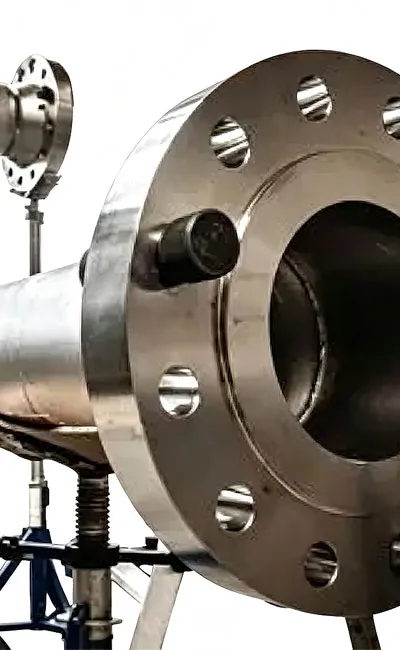
The submerged arc steel pipe fittings and assemblies prefabricated in the processing plant must be completely completed, that is, all welding joints have been welded, the flange joints have been installed with long-term backing plates, and all flange bolts have been worn and tightened. The comparative design value of the external dimension deviation of the submerged arc steel pipe assembly cannot exceed the following regulations; when the external dimension of the submerged arc steel pipe assembly is 3m, the deviation is ±5mm. When the external dimension of the submerged arc steel pipe assembly increases by 1m, the deviation value can be increased by ±2mm, but the total deviation cannot be greater than ±15mm.
Hand-welded assemblies with flanged connections or valves shall be subjected to testing. All assemblies shall be labeled according to the short pipe requirements of the drawings, and their outlet ends shall be closed with blind plates or plugs. The outlet flange at the pipe end of the assembly can be welded firmly if the flange bolt holes are evenly spaced. If it is a flange connected to the equipment or a flange connected to the branch flange of other components, it can only be spot welded and positioned at the end of the pipe. It can only be positioned after being transported to the installation site and then welded firmly. Valves should also be installed on the assembly, and the short pipes for sewage and vent pipes, instrument installation, and elevation marks for installing sliding brackets should be welded. The interior of the prefabricated pipe section should be cleaned. The submerged arc steel pipe assembly should consider the convenience of transportation and installation and have an adjustable live opening. It should also have sufficient rigidity to prevent long-term deformation.
Post time: Jan-03-2024










 English
 Español
 русский язык
 Português