Company News

Hunan Great Steel Pipe Co., Ltd
erw steel pipe,tubing pipe,3pe coated steel pipe

How is steel pipe used

Date: 2023-09-21
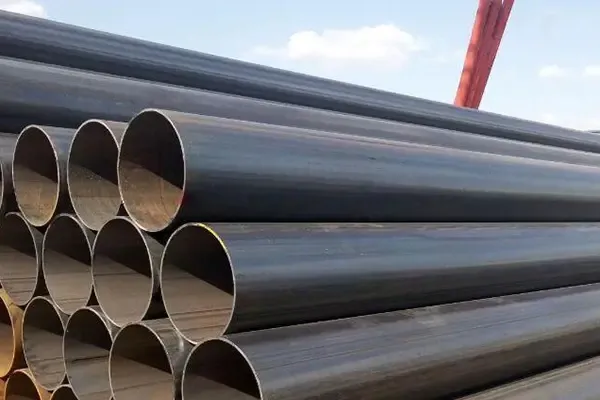
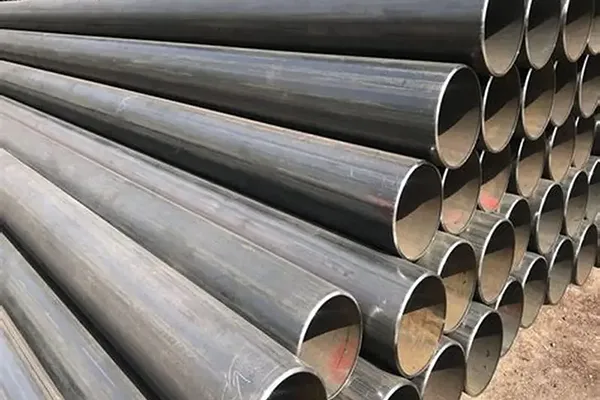
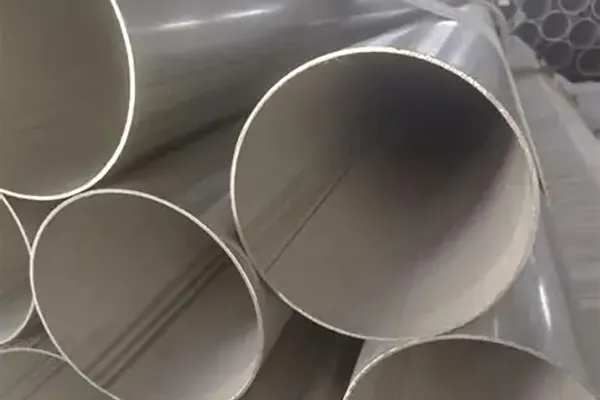
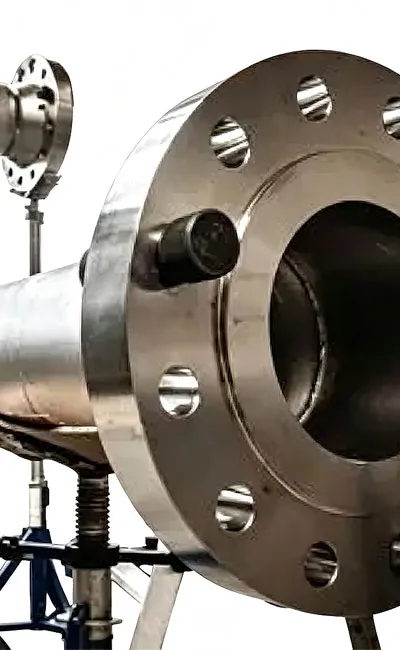
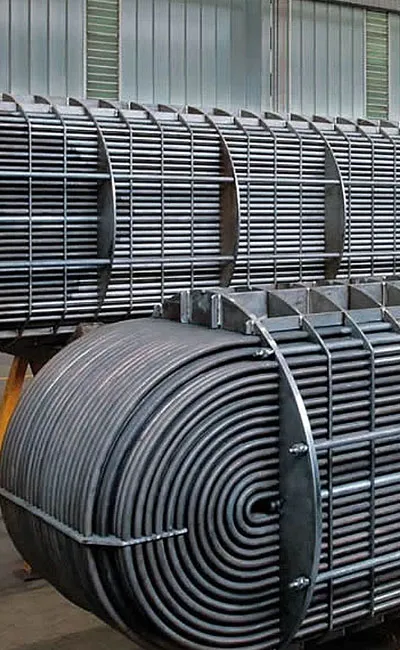
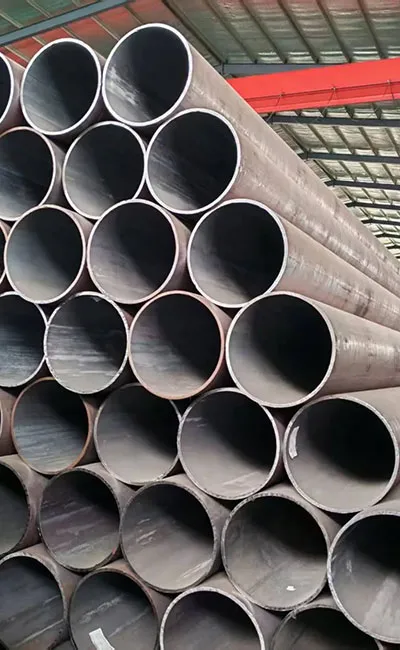
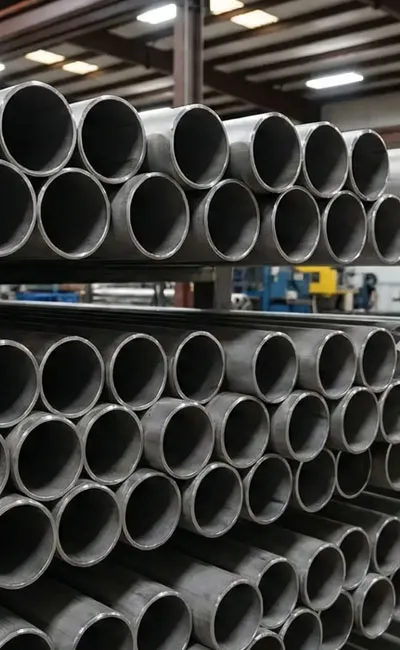
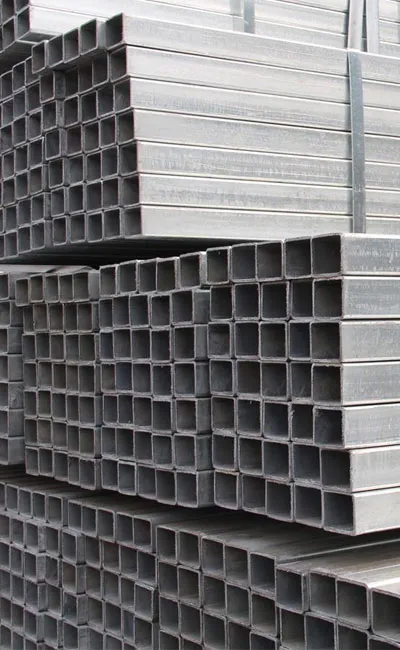
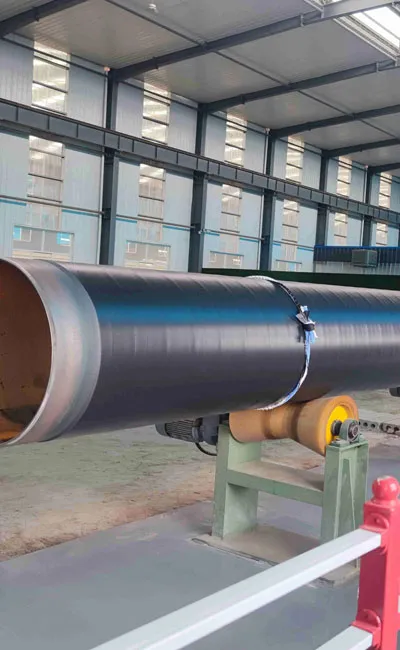
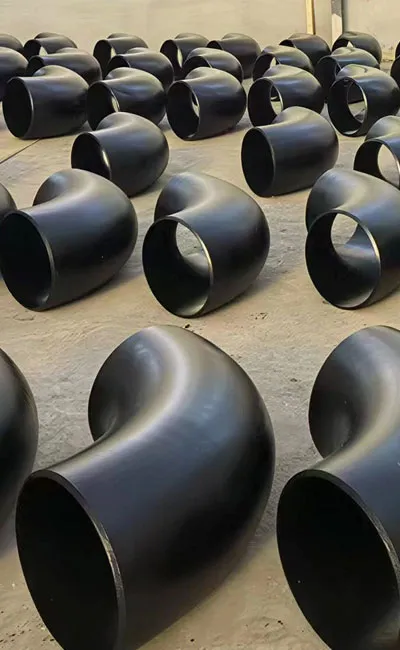
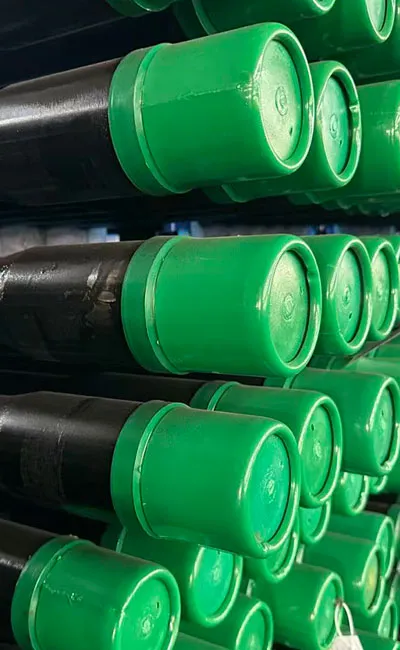
How is steel pipe used? How is steel pipe used? Steel pipes have various applications in structural engineering, transportation, and manufacturing industries. Pipe sizes are determined based on their outer diameter while the wall thickness determines the inner diameter. Structural use The thickness of the wall is dependent on the type of application and the forces the pipe must withstand. Pipes with thicker walls are required for some applications compared to others. Many industrial fields and constructions commonly use steel pipes for structural purposes. In these industries, steel tubes are a commonly used building material. Construction piles They provide strength to the foundations of constructions in a process known as piling. The tube is driven deep into the earth before the foundation is laid, ensuring stability for tall buildings or constructions on unstable ground. There are two primary types of pile foundations. End bearing piles rest on a layer of particularly robust soil or rock, with the building’s weight transferred through the pile onto this sturdy layer. Friction piles, on the other hand, transfer the building’s weight to the soil along the entire length of the pile, via friction. In this case, the full surface area of the pile helps to transfer the forces to the soil. Scaffolding tubes. Scaffold poles are produced by connecting steel tubes in a cage, providing access to high areas for construction workers. Manufacturing use Guard rails Additionally, guardrails are made from steel tubes providing an attractive safety feature for stairs and balconies. Bollards Security bollards are utilised to demarcate areas from vehicular traffic, safeguarding people, buildings, or infrastructure. Bike racks Bicycle racks are also available. Many bike racks used in commercial settings are made by bending steel tubes. The strength and durability of the steel material make it a secure option against theft. Transport use The primary application of steel pipes is for the transportation of goods due to its suitability for long-term installations. Additionally, steel pipes can be buried underground because of its robustness and resistance to corrosion. Pipes used for low pressure applications do not necessitate high strength since they undergo minimal stress exposure. Thinner wall thickness enables cheaper production. For more specialized applications, like pipes in the oil and gas sector, stringent specifications are required. The dangerous nature of the product being transported and the potential for increased pressure on the line require high strength and, therefore, greater wall thickness. This usually results in a higher cost. Quality control is crucial for these applications. Post time: Sep-21-2023

Latest news list

  • stainless welded steel pipe buying guide,stainless steel pipe export supplier,stainless steel pipe procurement
    Buying stainless welded steel pipe for an overseas project involves more than comparing product prices,The final procurement result can also depend on specification accuracy,inspection,documentation,packing,transportation and delivery timing,For EPC contractors,distributors and international project buyers,a complete purchasing process should connect the technical specification with the supply and logistics plan,
  • stainless welded steel pipe chemical industry,stainless steel process piping,stainless steel pipe failure prevention
    Chemical processing plants can expose piping systems to corrosive chemicals,elevated temperatures,pressure changes,deposits and repeated cleaning cycles,Stainless welded steel pipe can perform reliably in many of these environments,but material selection and fabrication must match the actual process conditions,Preventing piping problems starts before installation,The chemical service,pipe specification,weld quality,surface condition and operating conditions should all be considered as part of the system design,
  • how to choose stainless welded steel pipe,stainless welded pipe buying guide,stainless steel pipe selection
    Choosing stainless welded steel pipe for an industrial project involves more than selecting a grade and size,The pipe must match the service conditions,applicable standard,dimensional requirements,inspection level and delivery requirements,A clear specification at the purchasing stage can help avoid material mismatches,additional inspection costs and installation problems later,
  • stainless welded steel pipe water system,stainless welded pipe process piping,stainless steel process pipe
    Water,process fluids and industrial utilities can expose piping systems to corrosion,temperature changes,pressure and chemical contamination,Stainless welded steel pipe can provide a practical solution when the material grade,dimensions,weld quality and surface condition are matched to the actual service conditions,The key is not simply choosing stainless steel,Pipe selection should consider the fluid,operating temperature,pressure,corrosion environment,applicable standard and project requirements,
  • stainless welded steel pipe quality control,stainless welded pipe inspection,welded stainless steel pipe testing
    Quality control for stainless welded steel pipe should begin with the incoming material and continue through forming,welding,sizing,finishing and final inspection,For project procurement,checking only the finished pipe is not enough,A reliable inspection process should confirm that the supplied pipe matches the agreed material grade,dimensions,manufacturing requirements,testing requirements and documentation,The exact inspection plan depends on the applicable product standard and purchase specification,For example,ASTM A312 covers straight-seam welded austenitic stainless steel pipe and specifies requirements for chemical composition,mechanical properties and applicable testing,

Find what you need ?

close
We use cookies and other tracking technologies to improve your browsing experience on our website, to show you personalized content and targeted ads, to analyze our website traffic, and to understand where our visitors are coming from.