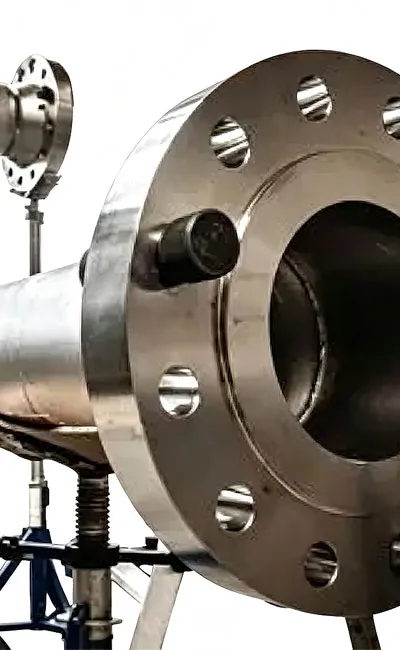
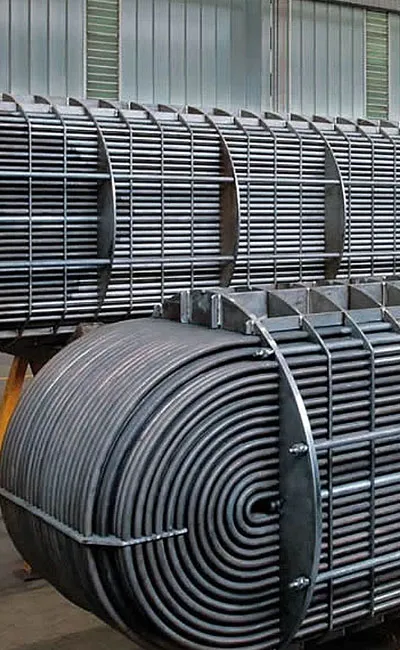
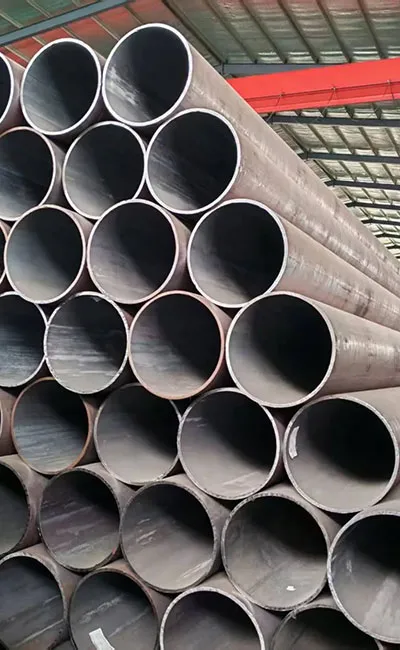
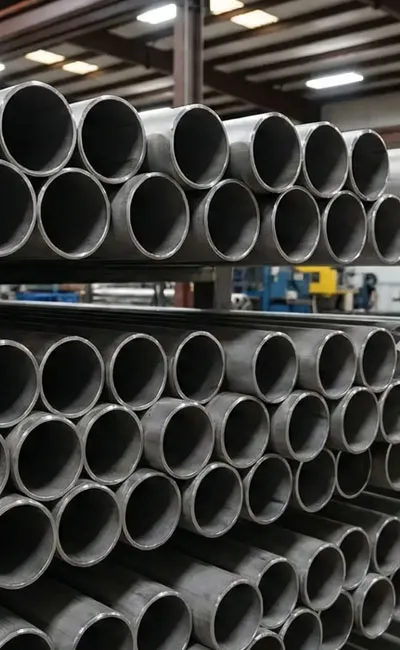
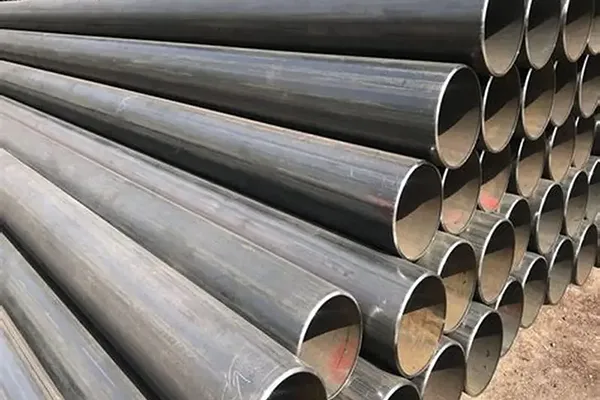
6. Treat the Piping System as a Whole
Pipe material is only one part of chemical process piping. Failures can also involve:
-
Welded joints
-
Fittings and valves
-
Supports
-
Flanges and gaskets
-
Drainage
-
Insulation
-
Thermal expansion
-
Installation practices
-
Operating procedures
For this reason, stainless welded steel pipe should be selected as part of the complete piping system rather than evaluated as an isolated product.
A detailed specification helps reduce misunderstandings between engineering, procurement and the supplier. An RFQ should normally identify:
① Material grade
② Applicable pipe standard
③ Pipe size
④ Wall thickness or schedule
⑤ Length and quantity
⑥ Service conditions
⑦ Surface requirements
⑧ Testing and inspection requirements
⑨ Required certificates
⑩ Delivery requirements
Clear requirements allow the supplier to confirm whether the proposed pipe matches the intended chemical service before production begins.
Stainless Welded Steel Pipe for Chemical Industry Projects
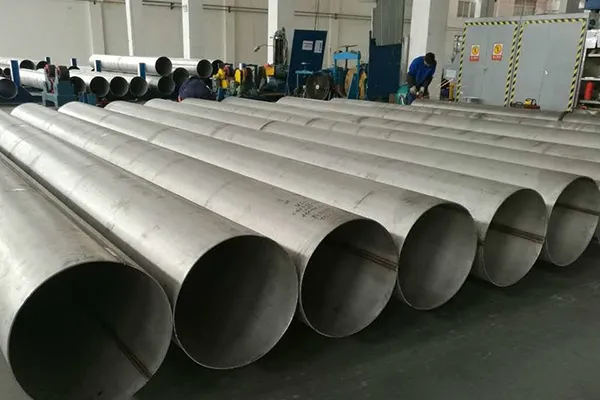
Hunan Great Steel Pipe supplies stainless welded steel pipe for international industrial projects and supports specification confirmation, quality control, inspection coordination and export delivery. The company supplies steel products to customers in more than 80 countries. For chemical processing applications, pipe selection and inspection requirements can be coordinated according to the project specification and service conditions. The objective is not simply to select a corrosion-resistant material, but to establish a piping specification that is appropriate for the actual chemical environment and operating conditions.
FAQ
Q1: Can stainless welded steel pipe be used in chemical processing plants?
A1: Yes. It can be used when the selected stainless grade, pipe specification, weld quality and surface condition are suitable for the chemical and operating environment.
Q2: What can cause stainless steel piping failure in chemical service?
A2: Potential causes include unsuitable material selection, aggressive chemical exposure, contamination, weld-related problems, deposits, abnormal operating conditions and mechanical damage.
Q3: Does a higher stainless grade eliminate corrosion risk?
A3: No. Stainless steel is not immune to corrosion. Material performance depends on the specific chemical environment, temperature, concentration, surface condition and exposure conditions.
Q4: How can chemical plants detect piping problems early?
A4: Process monitoring and risk-based inspection can help identify changes before they develop into major failures. Depending on the application, visual inspection, wall-thickness measurement, leak testing or other appropriate examination methods may be used.
Q5: What should be specified when purchasing stainless welded pipe for chemical service?
A5: The RFQ should normally identify the material grade, pipe standard, size, wall thickness, quantity, service conditions, testing requirements, documentation and delivery requirements.










 English
 Español
 русский язык
 Português