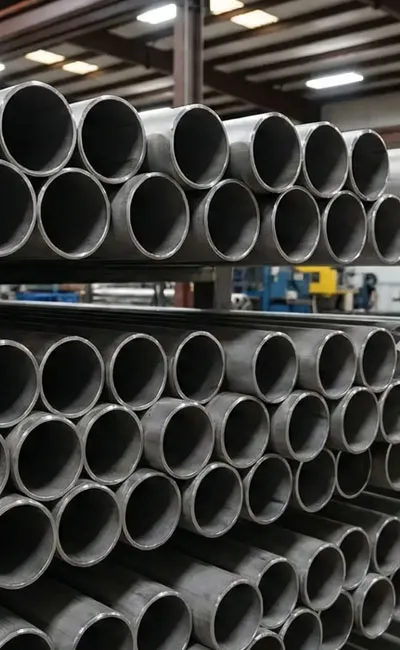
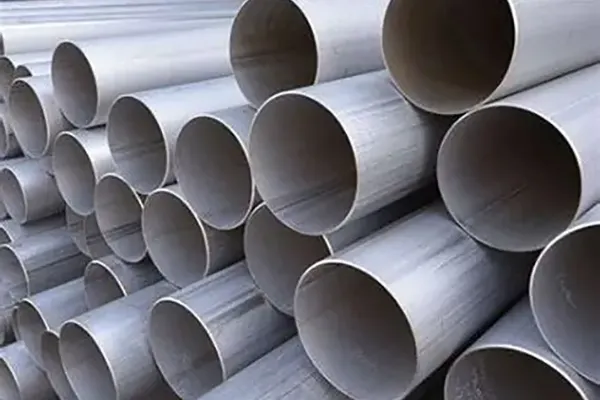
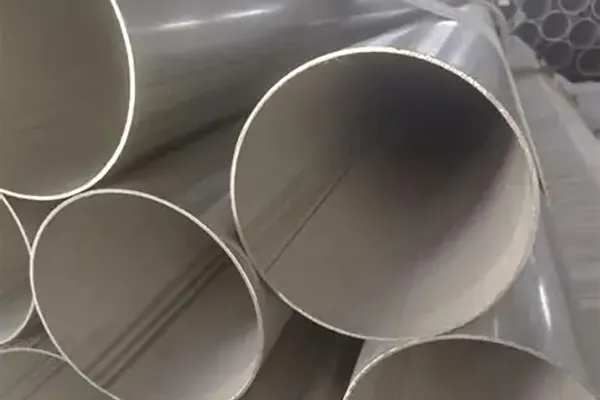
A welded stainless steel pipe contains a longitudinal seam, making weld quality an important part of product inspection. Manufacturing control should cover forming, welding, sizing and finishing. Depending on the applicable standard and purchase specification, inspection may include visual examination, dimensional checks, mechanical testing, hydrostatic testing or nondestructive examination. For example, ASTM A312/A312M specifies mechanical tests and requires each pipe to undergo either nondestructive electric testing or hydrostatic testing under the standard's requirements. Additional testing may also be specified through supplementary requirements. This is why an RFQ should identify the required standard, material grade, size, wall thickness, testing and documentation instead of simply stating “stainless welded pipe.”
How Does Installation Affect Performance?
Pipe performance depends on more than manufacturing quality. During transportation and storage, pipe ends and surfaces should be protected against mechanical damage and contamination. During installation, alignment, supports, welding procedures and thermal expansion should be considered according to the piping design. Stainless steel surfaces should also be protected from contamination by carbon steel particles, unsuitable tools or other sources that may affect surface condition. Correct handling and installation help maintain the performance expected from the selected material.
What Should Be Checked During Maintenance?
Routine inspection can help identify developing problems before they affect system operation. Depending on the application, operators may monitor:
-
Surface staining or discoloration
-
Deposits and scale
-
Leakage
-
Damaged supports
-
Excessive vibration
-
Abnormal pressure changes
-
Signs of localized corrosion
If corrosion appears, the cause should be investigated rather than simply cleaning the affected area. Material selection, chloride exposure, deposits, contamination, welding, operating conditions and installation practices should all be considered.
What Should Buyers Include in a Stainless Pipe RFQ?
A clear RFQ helps suppliers quote the correct product and reduces specification gaps. For stainless welded steel pipe, buyers should normally provide:
1. Material grade
2. Applicable standard
3. Outside diameter or nominal pipe size
4. Wall thickness or schedule
5. Pipe length
6. Quantity
7. Testing and inspection requirements
8. Surface finish, where applicable
9. End preparation
10. Required inspection documents
For project orders, additional requirements can be included according to the service conditions and engineering specification.
Stainless Welded Steel Pipe for International Projects
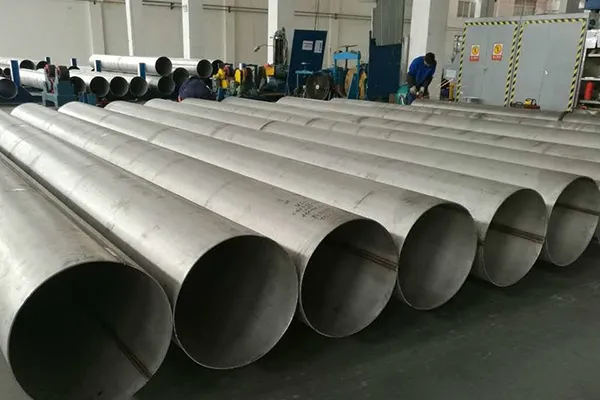
Hunan Great Steel Pipe supplies stainless welded steel pipe for international customers and supports specification confirmation, inspection coordination, documentation and export delivery. The company applies quality control throughout material verification, production and final inspection, with steel products supplied to customers in more than 80 countries. For water, process and industrial piping projects, stainless welded steel pipe should be selected according to the actual service environment and project specification rather than treated as a one-size-fits-all product.
FAQ
Q1: Can stainless welded steel pipe be used for water systems?
A1: Yes. It can be used when the selected stainless grade, pipe specification and surface condition are suitable for the water chemistry and operating conditions.
Q2: Is 316 stainless steel always required for process piping?
A2: No. Grade selection depends on fluid chemistry, chloride exposure, temperature and other service conditions










 English
 Español
 русский язык
 Português