Price List

Hunan Great Steel Pipe Co., Ltd
galvanized steel water pipes,LSAW steel pipe manufacturer,well tubing

Types of Pipes

Date: 2023-09-14
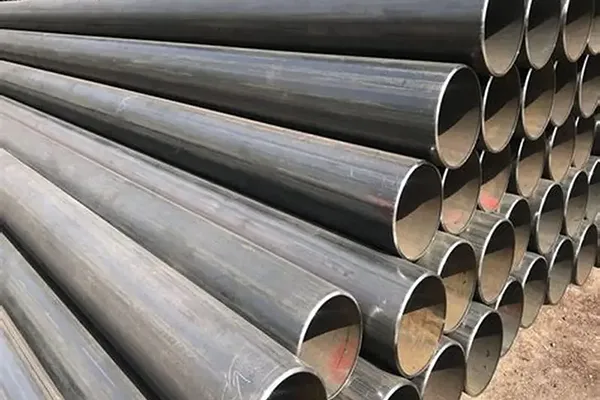
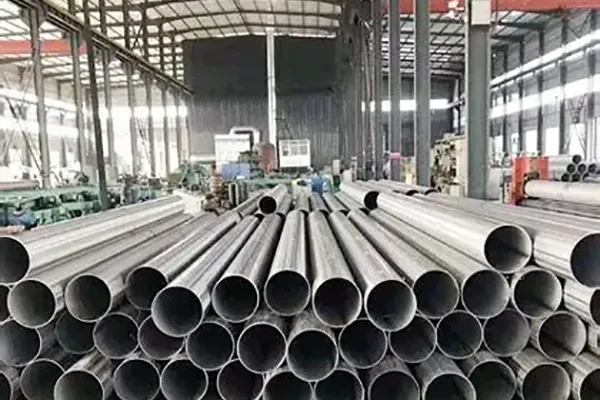
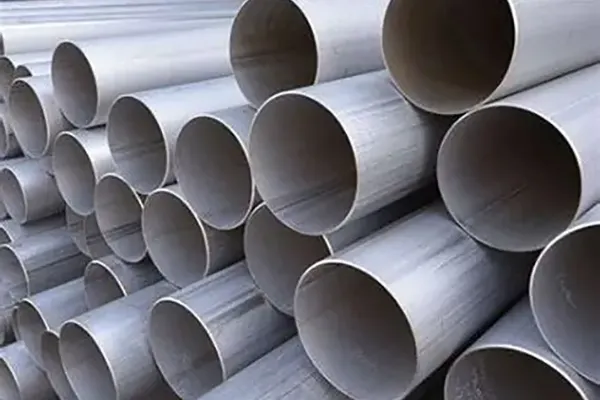
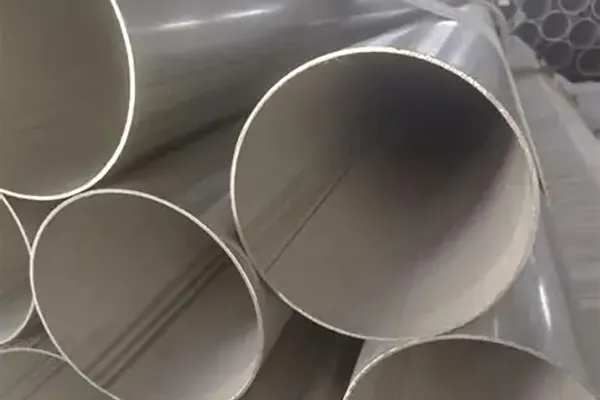
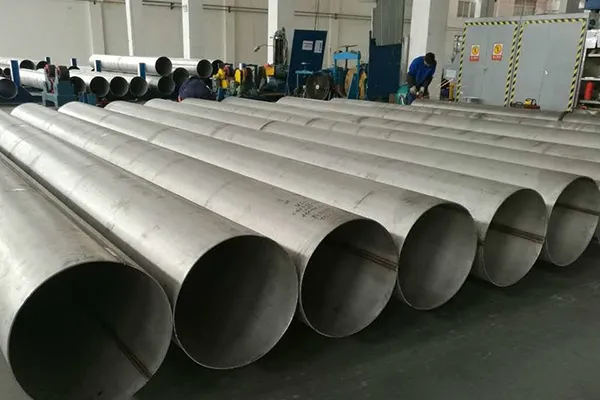
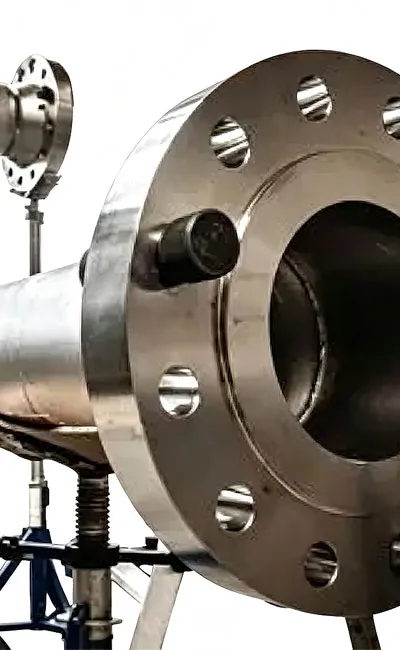
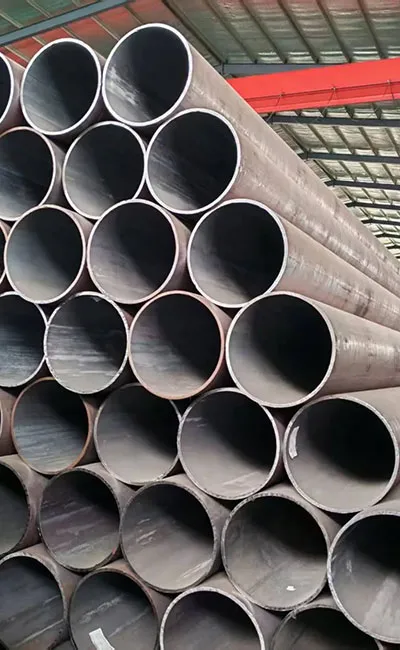
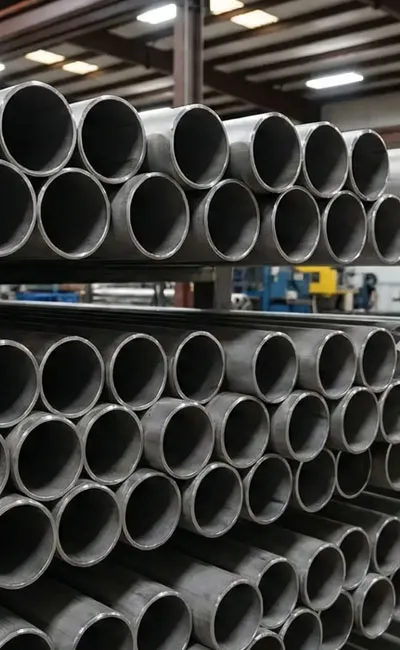
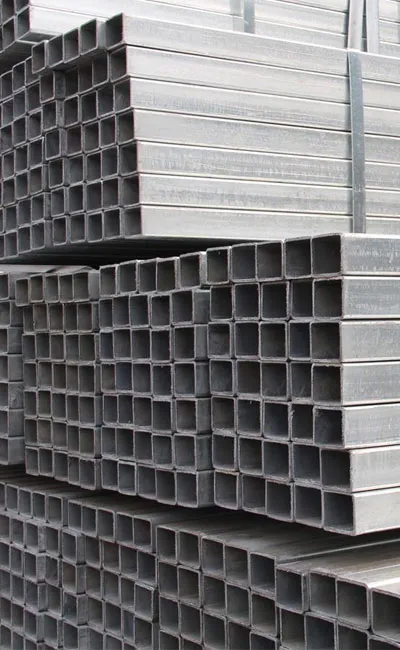
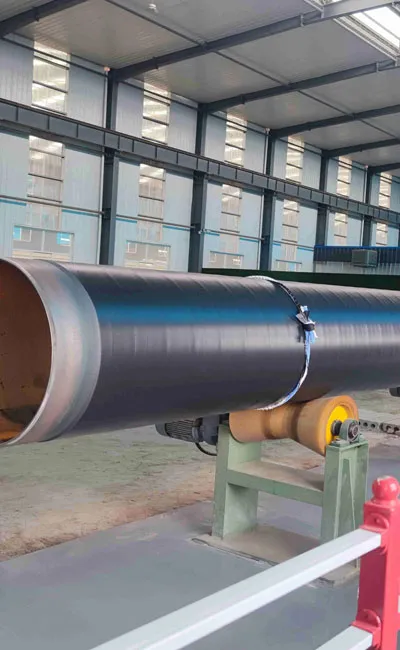
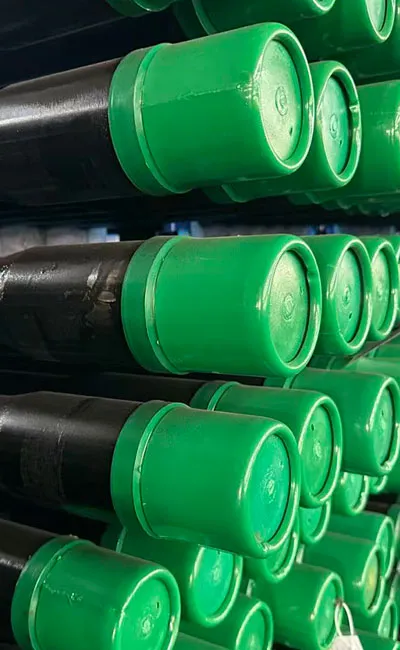
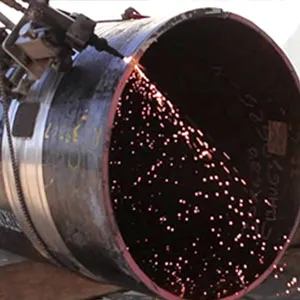
Types of Pipes Types of Pipes Pipes are classified into two groups: seamless pipes and welded pipes, based on the manufacturing method. Seamless pipes are formed in one step during rolling, but bent pipes require a welding process after rolling. Welded pipes can be classified into two types due to the shape of the joint: spiral welding and straight welding. Although there is debate as to whether seamless steel pipes are better than bent steel pipes, both seamless and welded pipe manufacturers can produce steel pipes with quality, reliability, and durability against highly corrosive. The primary focus should be on application specifications and cost aspects when determining the type of pipe. Seamless Pipe seamless pipe is usually manufactured in complex steps starting with hollow drilling from billet, cold drawing, and cold rolling process. To control the outside diameter and wall thickness, the dimensions of the seamless type are difficult to control compared with welded pipes, cold working improves mechanical properties and tolerances. The most important advantage of seamless pipes is that they can be manufactured with thick and heavy wall thicknesses. Because there are no weld seams, they can be considered to have better mechanical properties and corrosion resistance than welded pipes. In addition, seamless pipes will have better ovality or roundness. They are often best used in harsh environmental conditions such as high loads, high pressures, and highly corrosive conditions. Welded Pipe Welded steel pipe is formed by welding a rolled steel plate into a tubular shape using a joint or spiral joint. Depending on the external dimensions, wall thickness, and application, there are different ways of manufacturing welded pipes. Each method starts with a hot billet or flat strip, which is then made into tubes by stretching the hot billet, tying the edges together, and sealing them with a weld. Seamless pipes have tighter tolerances but thinner wall thicknesses than seamless pipes. Shorter delivery times and lower costs may also explain why bent pipes may be preferred over seamless pipes. However, because welds can be sensitive areas to crack propagation and lead to pipe breakage, the finish of the external and internal pipe surfaces must be controlled during production. Post time: Sep-14-2023

Latest news list

  • stainless welded steel pipe chemical industry,stainless steel process piping,stainless steel pipe failure prevention
    Chemical processing plants can expose piping systems to corrosive chemicals,elevated temperatures,pressure changes,deposits and repeated cleaning cycles,Stainless welded steel pipe can perform reliably in many of these environments,but material selection and fabrication must match the actual process conditions,Preventing piping problems starts before installation,The chemical service,pipe specification,weld quality,surface condition and operating conditions should all be considered as part of the system design,
  • how to choose stainless welded steel pipe,stainless welded pipe buying guide,stainless steel pipe selection
    Choosing stainless welded steel pipe for an industrial project involves more than selecting a grade and size,The pipe must match the service conditions,applicable standard,dimensional requirements,inspection level and delivery requirements,A clear specification at the purchasing stage can help avoid material mismatches,additional inspection costs and installation problems later,
  • stainless welded steel pipe water system,stainless welded pipe process piping,stainless steel process pipe
    Water,process fluids and industrial utilities can expose piping systems to corrosion,temperature changes,pressure and chemical contamination,Stainless welded steel pipe can provide a practical solution when the material grade,dimensions,weld quality and surface condition are matched to the actual service conditions,The key is not simply choosing stainless steel,Pipe selection should consider the fluid,operating temperature,pressure,corrosion environment,applicable standard and project requirements,
  • stainless welded steel pipe quality control,stainless welded pipe inspection,welded stainless steel pipe testing
    Quality control for stainless welded steel pipe should begin with the incoming material and continue through forming,welding,sizing,finishing and final inspection,For project procurement,checking only the finished pipe is not enough,A reliable inspection process should confirm that the supplied pipe matches the agreed material grade,dimensions,manufacturing requirements,testing requirements and documentation,The exact inspection plan depends on the applicable product standard and purchase specification,For example,ASTM A312 covers straight-seam welded austenitic stainless steel pipe and specifies requirements for chemical composition,mechanical properties and applicable testing,
  • stainless welded steel pipe corrosion,stainless welded pipe maintenance,stainless steel pipe industrial applications
    Stainless welded steel pipe is widely used in industrial systems because stainless steel provides good corrosion resistance in many service environments,However,stainless steel is not corrosion-proof,Chlorides,deposits,contamination,unsuitable material selection,poor fabrication practices and aggressive operating conditions can all create corrosion risks,For this reason,preventing stainless welded steel pipe corrosion starts before installation and continues throughout the service life of the system,

Find what you need ?

close
We use cookies and other tracking technologies to improve your browsing experience on our website, to show you personalized content and targeted ads, to analyze our website traffic, and to understand where our visitors are coming from.