Types of steel used in pipes
Date: 2023-09-13
Types of steel used in pipes
Types of steel used in pipes
Carbon steel
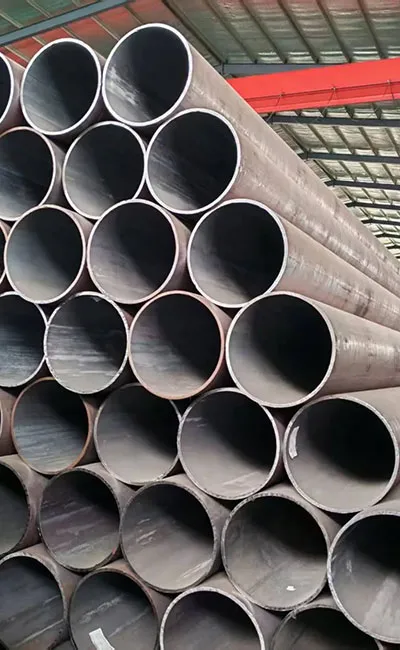
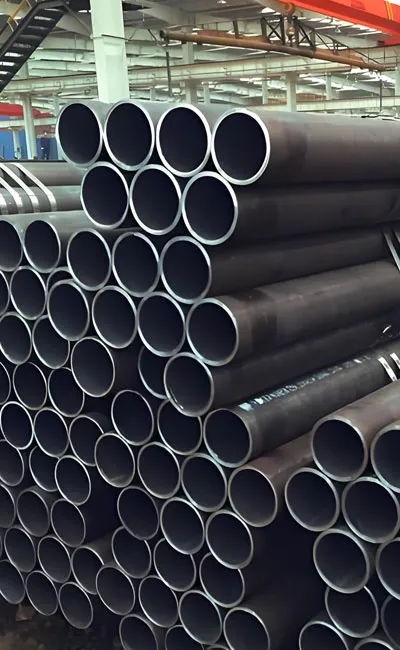
Carbon steel accounts for about 90% of total steel pipe production. They are made from relatively small amounts of alloying elements and often perform poorly when used alone. Since their mechanical properties and machinability are sufficiently good, they can be priced somewhat lower and may be preferred for applications with particularly low stresses. The lack of alloying elements reduces the suitability of carbon steels for high-pressure applications and harsh conditions, so they become less durable when subjected to high loads. The main reason for preferring carbon steel for pipes may be that they are highly ductile and do not deform under load. They are generally used in the automotive and marine industry, and oil and gas transportation. A500, A53, A106, A252 are carbon steel grades that can either be used as seamed or seamless.
Alloyed Steels
The presence of alloying elements improves the mechanical properties of steel, thus pipes become more resistant to high-stress applications and high pressures. The most general alloying elements are nickel, chromium, manganese, copper, etc. which are present in the composition between 1-50 weight percent. Different amounts of alloying elements contribute to the mechanical and chemical properties of the product in different ways, so the chemical composition of steel also varies depending on the application requirements. Alloy steel pipes are often used in high and unstable load conditions, such as in the oil and gas industry, refineries, petrochemicals, and chemical plants.
Stainless Steel
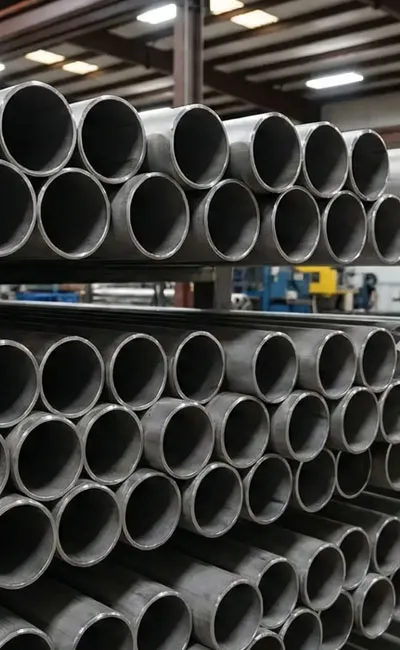
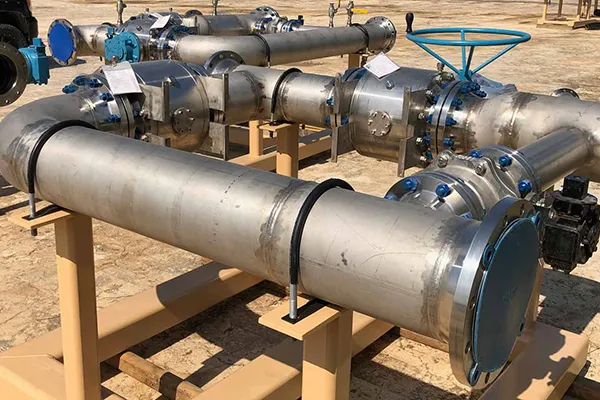
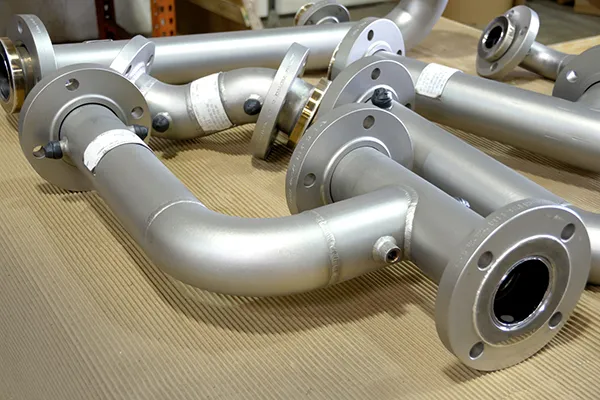
Stainless Steel can also be classified into the alloy steel family. The main alloying element in stainless steel is chromium, its proportion varies from 10 to 20% by weight. The main purpose of adding chromium is to help steel acquire stainless properties by preventing corrosion. Stainless steel pipes are often used in harsh conditions where corrosion resistance and high durability are important, such as in the marine, water filtration, medicine, and oil and gas industries. 304/304L and 316/316L are stainless steel grades that can be used in pipe production. While grade 304 has high corrosion resistance and durability; Due to its low carbon content, the 316 series has lower strength and can be welded.
Galvanized Steel
Galvanized pipe is a steel pipe treated with a layer of zinc plating to prevent corrosion. The zinc coating prevents corrosive substances from corroding the pipes. It was once the most common type of pipe for water supply lines, but because of the labor and time that goes into cutting, threading, and installing galvanized pipe, it is no longer used much, except for limited use in repairs. These types of pipes are prepared from 12 mm (0.5 inches) to 15 cm (6 inches) in diameter. They are available in 6 meters (20 feet) length. However, galvanized pipe for water distribution is still seen in larger commercial applications. One important disadvantage of galvanized pipes is their 40-50 years of lifetime. Although the zinc coating covers the surface and prevents foreign substances from reacting with the steel and corroding it, if the carrier substances are corrosive, the pipe may begin to corrode from the inside. Therefore, it is very important to check and upgrade galvanized steel pipes at certain times.
Post time: Sep-13-2023










 English
 Español
 русский язык
 Português