
Pipe spools are shop‑assembled piping sections built from pipes, fittings, flanges, and welded joints. They arrive on site ready for final tie‑in — reducing field welds by 60‑80% and cutting installation schedules by 30‑40%. Oil and gas facilities, power plants, chemical processors, and water treatment projects all rely on them. But what actually happens inside a pipe spool fabrication shop? Here is the process, step by step.
Fabrication starts with engineering documentation. Piping isometrics — derived from 3D BIM models (Revit, E3D, or similar) — are broken down into individual spool drawings. Each drawing defines:
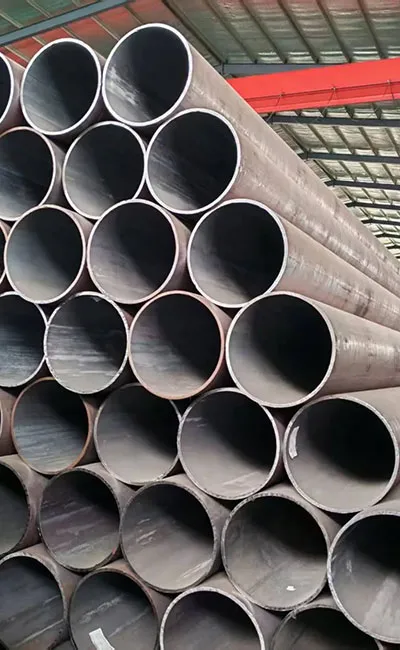
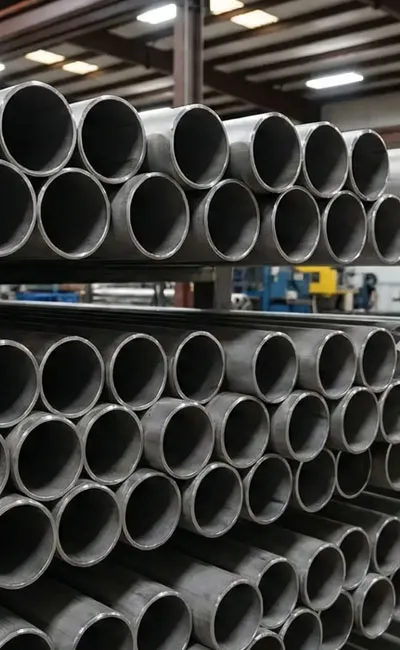
Raw materials — pipe, flanges, and fittings — arrive with Mill Test Certificates (MTCs) and heat numbers. Before any cutting, shop personnel verify grades against the bill of materials. Heat numbers are logged against each spool ID for full traceability.
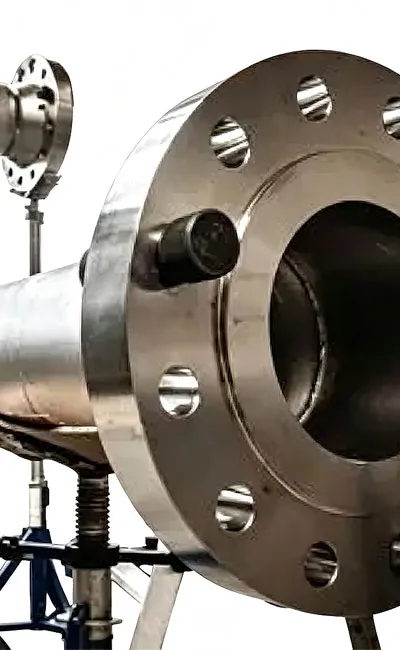
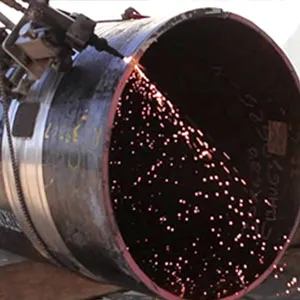
Pipe is cut to length using band saws, plasma cutters, or cold saws. For stainless and alloy materials, fabricators use dedicated cutting equipment to avoid iron contamination.Flange face parallelism — critical for gasket sealing — is checked with feeler gauges. A 0.5 mm gap across the flange face is typically the rejection threshold.
|
Material |
Common Process |
Preheat Requirement |
|
Carbon steel (SA106 Gr.B) |
SMAW / GMAW |
50‑100°C for >25 mm wall |
|
Stainless steel (304/316L) |
GTAW root + SMAW fill |
None, but interpass ≤150°C |
|
Alloy steel (P11/P22) |
GTAW + SMAW |
150‑200°C + PWHT |
After welding, the completed spool goes back on the fit‑up bench for a final dimensional check. Inspectors confirm that welding shrinkage has not pulled dimensions out of tolerance.
Visual inspection (VT) follows — every weld is examined for: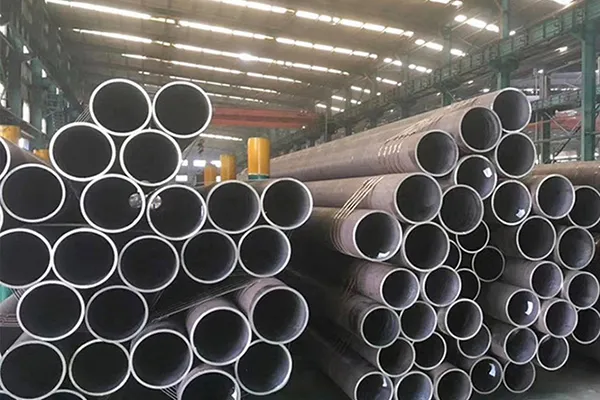








 English
 Español
 русский язык
 Português