Product News

Hunan Great Steel Pipe Co., Ltd
pipe spool,pipe spool fabrication,prefabricated pipe spool,pipe spool manufacturing,ASME B31,3 pipe spool,pipe spool applications,piping prefabrication,welded pipe spool

What Is a Pipe Spool? Benefits, Fabrication Process, and Industrial Applications

Date: 2026-06-22

A pipe spool is a prefabricated section of a piping system that includes pipes, fittings, flanges, and welded components assembled in a controlled fabrication facility before being transported to a project site for installation. Pipe spools are widely used in oil and gas, petrochemical, power generation, offshore, and industrial processing projects because they improve construction efficiency, quality control, and project scheduling.


What Is a Pipe Spool?
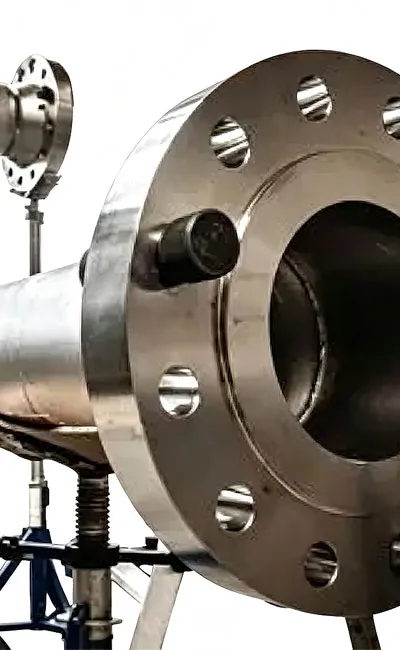
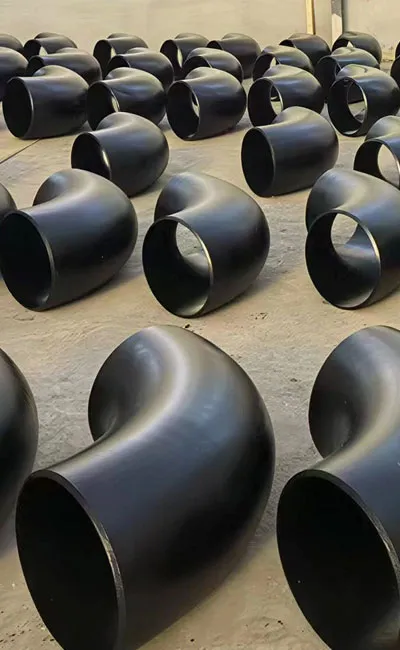
Unlike a simple pipe segment, a pipe spool is a complete engineered assembly manufactured according to detailed spool drawings derived from piping isometric designs or 3D models. Typical spool components include straight pipe sections, elbows, tees, reducers, flanges, branch connections, and support attachments.

Each spool is assigned a unique identification number and fabricated according to project specifications, welding procedures, inspection requirements, and dimensional tolerances.


Why Are Pipe Spools Prefabricated?
Pipe spool prefabrication allows a significant portion of fabrication work to be completed in a controlled workshop environment before construction activities begin on-site.
Key advantages include:
Improved weld quality and consistency
Reduced field labor requirements
Faster installation schedules
Better safety performance
Reduced weather-related delays
More predictable project costs

By shifting fabrication activities from the construction site to the workshop, project teams can improve productivity and reduce installation risks.


Pipe Spool Fabrication Process
Modern pipe spool manufacturing follows a structured workflow.

1. Engineering Design and BIM Modeling: The process begins with piping design and 3D modeling. Engineers create detailed piping layouts, define material specifications, and generate spool drawings directly from BIM or CAD systems.

2. Material Preparation: Raw materials are cut, beveled, marked, and prepared according to project requirements. Material traceability is maintained throughout the fabrication process.

3. Assembly and Welding: Fabricators assemble pipe sections, fittings, and flanges according to approved fabrication drawings. Welding is performed using qualified Welding Procedure Specifications (WPS) by certified welders.

4. Inspection and Testing
Quality control is critical during fabrication. Common inspection methods include:
Visual Inspection (VT)
Radiographic Testing (RT)
Ultrasonic Testing (UT)
Magnetic Particle Testing (MT)
Dye Penetrant Testing (PT)
Depending on project specifications, hydrostatic testing may also be conducted to verify pressure integrity.
5. Surface Treatment and Delivery: After inspection, spools may undergo blasting, coating, painting, galvanizing, or other surface treatments before being packaged and delivered to the project site.

Industry Standards for Pipe Spool Fabrication
Pipe spool fabrication typically follows internationally recognized standards, including:
ASME B31.3 – Process Piping
ASME B31.1 – Power Piping
ASME Section IX – Welding Qualifications
ASTM Material Specifications
Project-Specific Quality Requirements

Compliance with these standards helps ensure dimensional accuracy, weld quality, and long-term operational reliability.


Applications of Pipe Spools
Pipe spools are widely used across multiple industries.
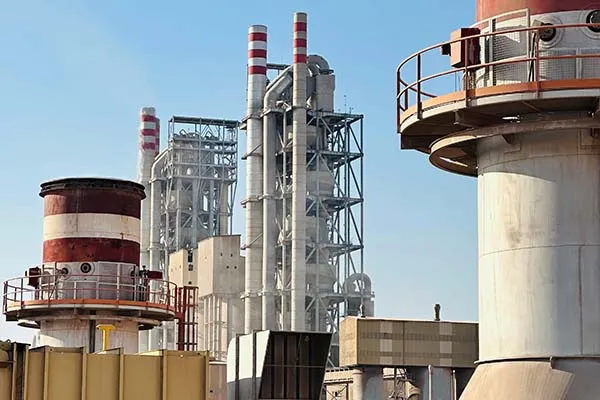
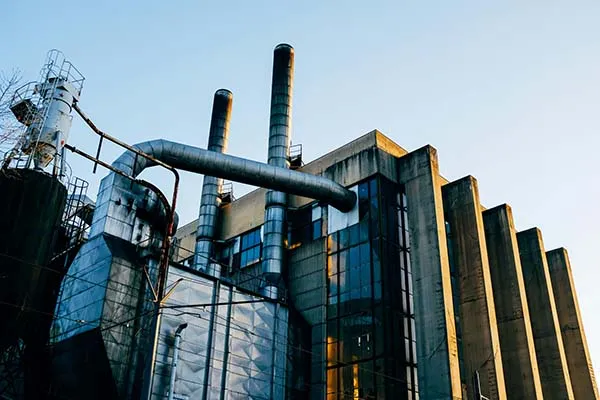
Oil and Gas:Refineries, pipelines, offshore platforms, LNG facilities, and gathering systems rely heavily on prefabricated pipe spools.
Power Generation: Pipe spools are commonly used in steam systems, feedwater lines, cooling systems, and auxiliary piping networks.
Petrochemical and Chemical Processing: Complex process piping systems benefit from the quality and efficiency of prefabricated spool assemblies.

Modular Construction: Pipe racks, process skids, and modular industrial facilities frequently incorporate shop-fabricated pipe spools to accelerate project schedules.


Manufacturer's Experience
Based on our experience supplying prefabricated pipe spools for energy, petrochemical, and industrial projects worldwide, shop fabrication provides greater dimensional accuracy, improved welding consistency, and more efficient project execution compared with extensive field fabrication.

Effective planning, strict quality control, and comprehensive inspection procedures are essential to achieving reliable installation performance and long-term service life.


Frequently Asked Questions
Q1: What is the difference between a pipe spool and a pipe assembly?
A1: A pipe spool is a prefabricated section of piping manufactured for transportation and installation, while a pipe assembly may refer to a broader group of connected piping components.
Q2: What standards apply to pipe spool fabrication?
A2: Common standards include ASME B31.3, ASME B31.1, ASME Section IX, ASTM specifications, and project-specific requirements.
Q3: How are pipe spools inspected?
A3: Inspection methods may include visual inspection, RT, UT, MT, PT, dimensional verification, and hydrostatic testing.
Q4: What industries use pipe spools?

A4: Oil and gas, power generation, petrochemical processing, marine engineering, and modular construction projects commonly use pipe spools.
Conclusion
Pipe spool prefabrication has become an essential construction strategy for modern industrial projects. By combining engineering precision, controlled fabrication, and rigorous quality assurance, prefabricated pipe spools help improve installation efficiency, reduce project risks, and support reliable long-term operation across a wide range of industries.

Latest news list

  • overseas warehouse,global warehouse network,steel pipe local stock,overseas inventory solutions,steel procurement logistics,fast steel pipe delivery,global supply chain solutions
    To address growing global demand for faster delivery,lower logistics costs and reliable supply chains,our group has officially launched a global overseas warehouse layout,with operational facilities in the United Arab Emirates (Middle East),Poland (Europe),and Brazil (South America),By establishing local stock and fulfillment centers,we enable direct local spot delivery,shorten lead times from 20–45 days to 1–3 days,reduce international logistics expenses by 30–50%,and deliver consistent,stable performance for global buyers,
  • global steel sourcing,steel procurement strategy,global supply chain solutions,steel sourcing services,international steel trade,steel procurement risk management
    The global steel market is becoming increasingly complex,Rising freight costs,changing tariff policies,regional trade restrictions,and geopolitical uncertainties have created new challenges for international buyers,For many importers,distributors,EPC contractors,and industrial manufacturers,maintaining a stable and cost-effective steel supply chain is no longer as straightforward as it was a decade ago,In today's business environment,relying on a single sourcing region can expose projects to unexpected risks,including supply disruptions,longer lead times,fluctuating costs,and changing trade regulations,As a result,global sourcing has become an important strategy for companies seeking greater supply-chain resilience and procurement flexibility
  • stainless steel heat exchanger tubes,heat exchanger tube maintenance,extend heat exchanger tube life,heat exchanger tube corrosion prevention,heat exchanger tube fouling control
    Stainless steel heat exchanger tubes are widely used in power generation,petrochemical processing,desalination,marine engineering,and industrial heat-transfer systems,Under proper operating conditions,these tubes can often provide 15–25 years or more of reliable service,However,premature tube failure caused by fouling,corrosion,erosion,or inadequate maintenance can significantly increase operating costs and reduce system efficiency,The good news is that most tube failures are preventable,By implementing proper maintenance strategies and selecting suitable materials,operators can extend service life,improve heat-transfer performance,and reduce unexpected downtime,
  • stainless steel heat exchanger tube,heat exchanger tube corrosion,heat exchanger tube inspection,heat exchanger tube reliability,high temperature heat exchanger tube
    Heat exchanger tubes operating in petrochemical plants,refineries,LNG facilities,and desalination systems are exposed to some of the most demanding service conditions in industrial applications,Heat exchanger tubes in industrial process systems routinely encounter conditions that push material performance to its limits,Chloride-bearing cooling water,cyclic thermal loading,high-velocity particulate erosion,and sustained elevated temperatures create compound degradation mechanisms that standard specifications rarely address in isolation,Stainless steel heat exchanger tubes—while inherently corrosion-resistant—require deliberate engineering measures when deployed in severe service environments,Material selection alone cannot compensate for inadequate design,improper fabrication,or insufficient operational monitoring,A systems-level approach integrating material science,manufacturing precision,and lifecycle management determines whether tubing delivers its design service life or fails prematurely under field stress,
  • stainless steel heat exchanger tube,heat exchanger tube manufacturer,TP316L heat exchanger tube,seamless stainless steel tube,custom heat exchanger tube
    Why Are Stainless Steel Heat Exchanger Tubes Critical in Petrochemical Projects? Stainless steel heat exchanger tubes are designed to transfer heat efficiently while resisting corrosion,pressure,and elevated operating temperatures,In petrochemical facilities,tube reliability directly influences equipment uptime,maintenance costs,process efficiency,and plant safety,The following project highlights how customized manufacturing,stringent quality control,and coordinated logistics supported the successful delivery of stainless steel heat exchanger tubes for a petrochemical heat exchanger system in Southeast Asia,This project illustrates how technical expertise,disciplined quality assurance,and coordinated logistics converge to deliver results that matter on the ground,

Find what you need ?

close
We use cookies and other tracking technologies to improve your browsing experience on our website, to show you personalized content and targeted ads, to analyze our website traffic, and to understand where our visitors are coming from.