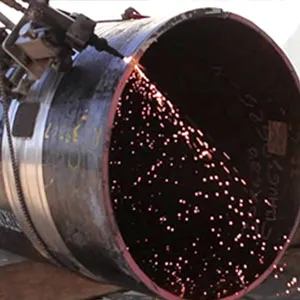
Why Is Global Sourcing Becoming Essential in Today's Steel Trade?
The global steel market is becoming increasingly complex. Rising freight costs, changing tariff policies, regional trade restrictions, and geopolitical uncertainties have created new challenges for international buyers. For many importers, distributors, EPC contractors, and industrial manufacturers, maintaining a stable and cost-effective steel supply chain is no longer as straightforward as it was a decade ago. In today's business environment, relying on a single sourcing region can expose projects to unexpected risks, including supply disruptions, longer lead times, fluctuating costs, and changing trade regulations. As a result, global sourcing has become an important strategy for companies seeking greater supply-chain resilience and procurement flexibility.
Key Challenges Facing Global Steel Buyers
International buyers commonly face several procurement challenges:
Tariff and Trade Policy Risks: Changes in import duties, anti-dumping measures, and regional trade regulations can significantly affect procurement costs and project budgets.
Logistics and Shipping Uncertainty: Global shipping networks continue to experience fluctuations in freight rates, vessel availability, and transit times, making delivery planning more difficult.
Supply Chain Concentration Risks: Dependence on a single production region can increase vulnerability to local disruptions, including policy changes, labor shortages, energy issues, or geopolitical events.
Cost Competitiveness: As market competition intensifies, buyers are under increasing pressure to control procurement costs while maintaining product quality and delivery reliability.
How Global Sourcing Improves Supply Chain Stability
A diversified sourcing strategy allows buyers to reduce dependence on any single supply region while improving procurement flexibility.
By integrating resources from multiple qualified production bases, companies can:
•
Reduce exposure to regional trade disruptions
•
Improve delivery flexibility
•
Optimize logistics routes
•
Enhance supply continuity
•
Maintain competitive procurement costs
•
Better respond to changing market conditions
For international projects with strict delivery schedules and budget requirements, diversified sourcing can provide a valuable layer of risk management.
Our Strategic Upgrade: Expand Global Sourcing, Empower Global Trade
To better support customers in an increasingly dynamic global market,
our group has officially launched a new strategic initiative:
Expand Global Sourcing, Empower Global Trade
This strategic upgrade reflects our commitment to building a more flexible, resilient, and globally integrated supply network.
For many years, we successfully supported customers worldwide through strong manufacturing resources and supply capabilities. However, as global trade environments continue to evolve, we recognize the importance of expanding beyond traditional sourcing models.
By developing a broader international sourcing network and strengthening global resource integration, we can provide customers with greater flexibility when addressing regional trade barriers, logistics challenges, and supply-chain risks.
Flexible Global Resource Allocation
Unlike traditional exporters that rely primarily on a single production region, we are building a more diversified sourcing framework that enables flexible resource allocation based on:
•
Project requirements
•
Product specifications
•
Regional trade policies
•
Logistics conditions
•
Delivery schedules
•
Cost optimization objectives
This approach helps ensure that each project is supported by the most suitable production and supply solution available.
Helping Customers Reduce Procurement Risks
Global buyers increasingly need supply partners capable of navigating a rapidly changing international environment.
Through our expanding sourcing network, we aim to help customers:
•
Improve supply-chain resilience
•
Reduce procurement uncertainty
•
Optimize delivery performance
•
Enhance cost competitiveness
•
Adapt to changing trade conditions
By combining resource integration with global market expertise, we help customers make procurement decisions with greater confidence.
Long-Term Partnership Through Global Service
We believe successful international trade is built on more than product supply alone. It requires long-term cooperation, transparent communication, and the ability to adapt to changing market conditions.
Our strategic upgrade is designed to strengthen these capabilities and provide customers with sustainable support throughout the entire procurement process.
As global trade continues to evolve, we will continue expanding our sourcing network, optimizing international logistics resources, and enhancing cross-border service capabilities to better support customers worldwide.
FAQ
Q1: What is global sourcing in the steel industry?
A1: Global sourcing refers to obtaining products or manufacturing resources from multiple qualified regions or suppliers worldwide to improve flexibility, reduce risks, and optimize costs.
Q2: How can global sourcing reduce procurement risks?
A2: By diversifying supply sources, companies can reduce dependence on a single market and better manage risks related to tariffs, logistics disruptions, and regional policy changes.
Q3: Why are steel buyers adopting multi-source procurement strategies?
A3: Multi-source procurement helps improve supply stability, delivery reliability, and cost competitiveness while increasing resilience against market volatility.
Q4: How does global sourcing improve supply-chain resilience?
A4: A diversified sourcing network provides alternative supply options, allowing buyers to respond more effectively to disruptions and changing market conditions.
Conclusion
Global sourcing is becoming an increasingly important strategy for companies seeking stable, flexible, and cost-effective steel procurement solutions. By reducing dependence on a single supply region and integrating resources across multiple markets, buyers can improve supply-chain resilience and better manage today's complex trade environment.
Through our "Expand Global Sourcing, Empower Global Trade" initiative, we remain committed to helping customers navigate global procurement challenges while building stronger, more sustainable international partnerships.










 English
 Español
 русский язык
 Português