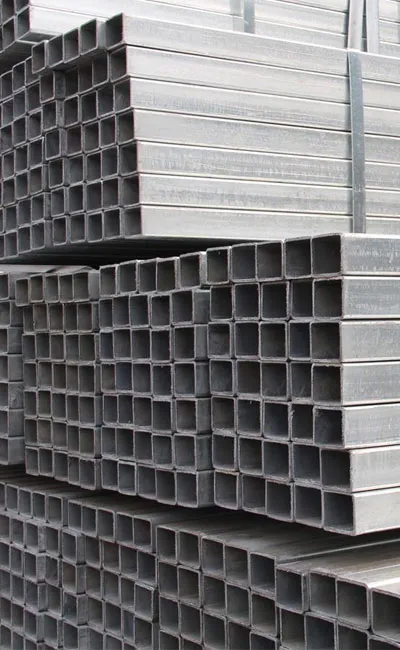
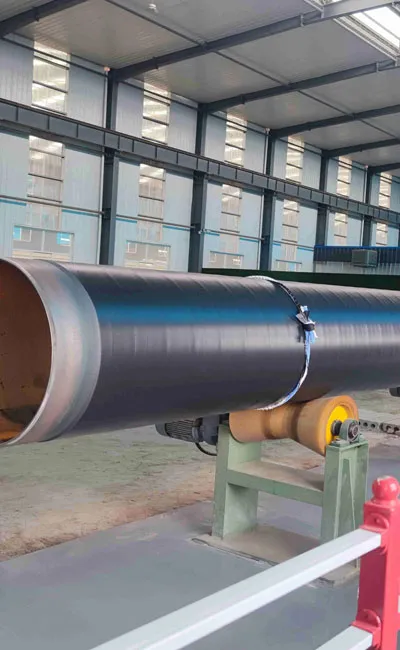
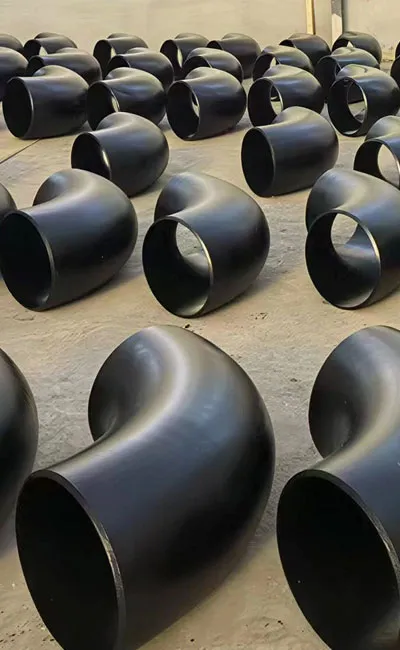
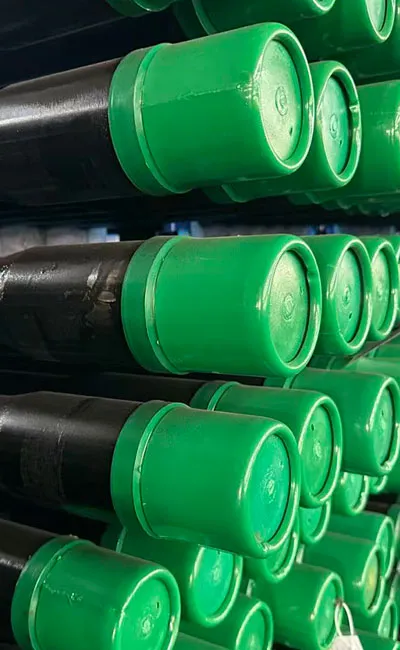
Central Asia continues to be one of the most active regions for infrastructure development, energy investment, and industrial expansion. Countries such as Kazakhstan, Uzbekistan, Turkmenistan, Kyrgyzstan, and Tajikistan are investing heavily in oil and gas transportation, power generation, mining operations, water transmission systems, and urban construction projects. As a result, demand for reliable steel products remains strong across multiple sectors. Based on years of participation in international steel supply projects and cooperation with EPC contractors throughout the region, several product categories consistently account for the majority of procurement activity.
This guide outlines the steel products most commonly purchased in the Central Asian market and highlights the technical considerations that buyers should evaluate before placing an order.
1.
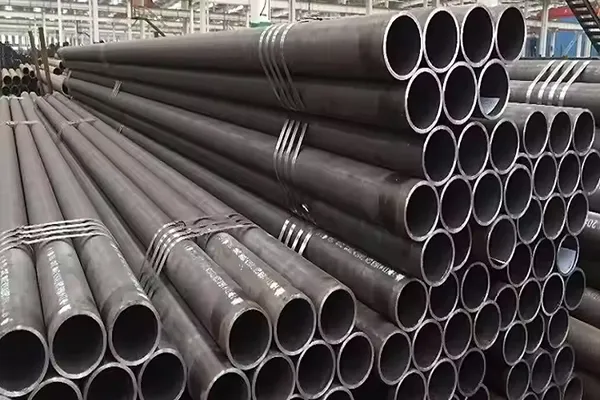
Seamless Steel Pipe and
API Line Pipe
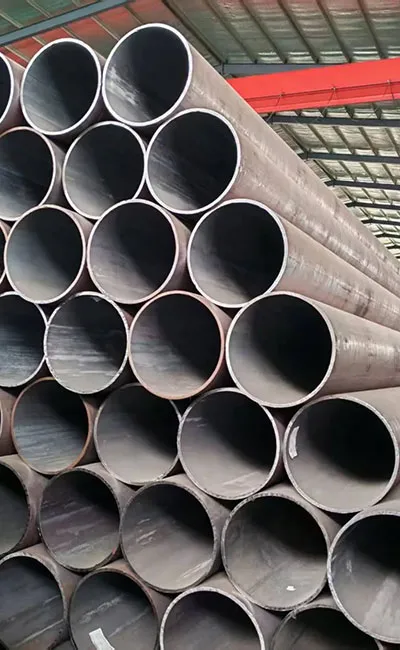
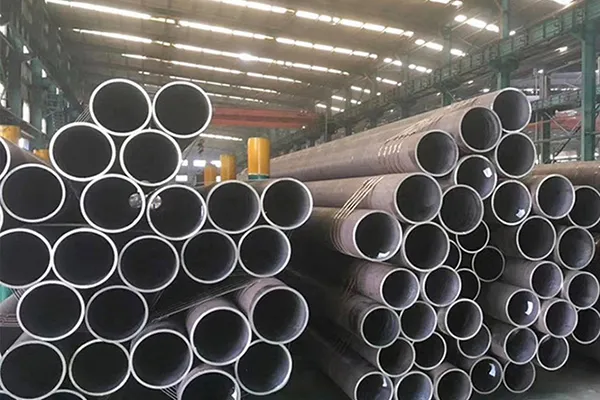
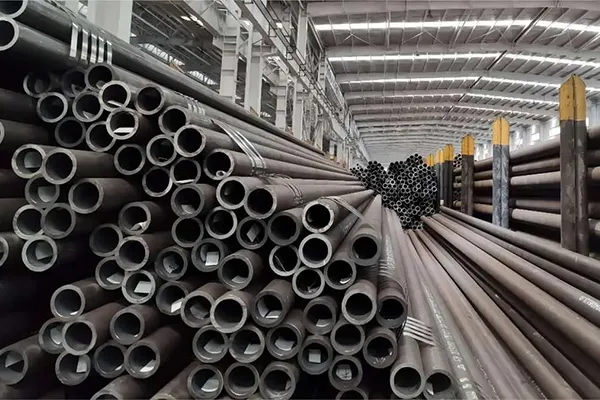
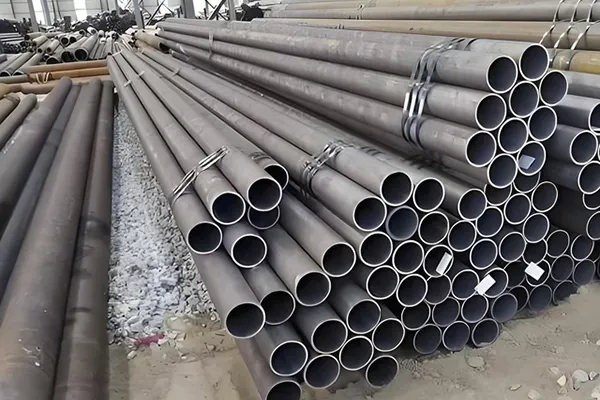
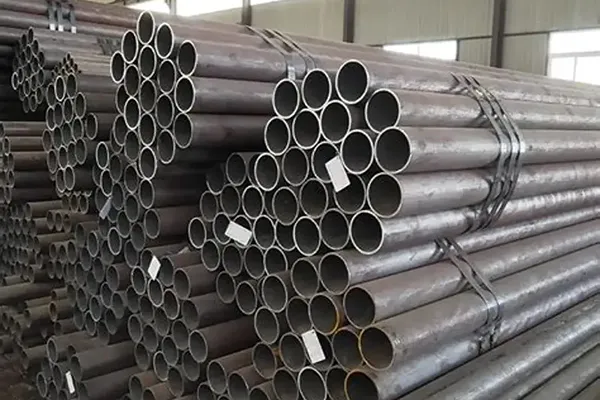
Seamless steel pipes and API line pipes are among the most frequently sourced products in Central Asia due to the region's extensive oil and gas infrastructure.
Typical applications include:
* Crude oil transmission
* Natural gas pipelines
* Petrochemical facilities
* Power plants
* Industrial process systems
Common specifications include ASTM A106, ASTM A53, API 5L PSL1 and PSL2, EN 10216, and DIN standards. API 5L grades X42, X52, X60, and X65 are widely used for long-distance pipeline projects.
For projects operating in extreme climates, buyers should pay close attention to impact toughness, wall thickness tolerances, and low-temperature mechanical performance. These factors often have a greater impact on service life than price alone.
2.
OCTG Products for Oil and Gas Development
Oil Country Tubular Goods (OCTG) remain essential for upstream energy projects, particularly in Kazakhstan and Turkmenistan, where exploration and production activities continue to expand.
Frequently procured products include:
* Casing Pipe
* Tubing Pipe
* Drill Pipe
* Couplings and Accessories
API 5CT grades such as J55, K55, N80, L80, and P110 are commonly specified.
In practical applications, thread quality, dimensional accuracy, and corrosion resistance are critical factors influencing field performance. Many operators now require third-party inspection and full traceability documentation to reduce operational risks.
3.
ERW and
SSAW Steel Pipes
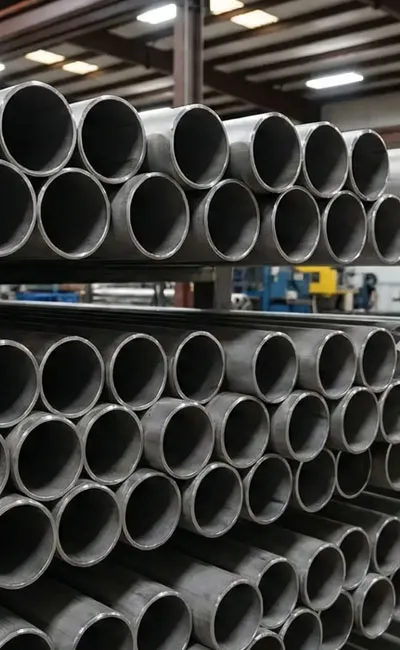
For municipal infrastructure and water transportation projects, welded steel pipes provide a cost-effective solution.
ERW and SSAW pipes are widely used in:
* Water supply networks
* Irrigation systems
* District heating projects
* Industrial water transportation
* Construction applications
While diameter and wall thickness are important, weld seam integrity should receive equal attention. International projects typically require hydrostatic testing, non-destructive examination, and weld quality verification before shipment.










 English
 Español
 русский язык
 Português