Company News

Hunan Great Steel Pipe Co., Ltd
3PE anti-corrosion steel pipe,3PE coated steel pipe,3PE steel pipe procurement,3PE coating selection

How Can Buyers Choose the Right 3PE Anti-Corrosion Steel Pipe

Date: 2026-08-21

Choosing the right 3PE anti-corrosion steel pipe starts with more than pipe size and price. For buried or submerged pipelines, buyers need to consider the base pipe, coating system, installation conditions, inspection requirements, and expected service life as one complete specification. A suitable 3PE system can provide effective external corrosion protection, but only when the coating is correctly selected, applied, inspected, and protected during installation. ISO 21809-1:2018 covers plant-applied three-layer polyethylene and polypropylene coatings for welded and seamless steel pipes used in buried or submerged pipeline systems. It also recognizes their use together with cathodic protection. So, what should buyers check before placing an order?


1. Start With the Application Environment

The service environment should be defined before discussing coating thickness or price. Consider whether the pipe will be:
  • Buried in normal or aggressive soil
  • Submerged or exposed to groundwater
  • Used in a marine environment
  • Installed for oil and gas transmission
  • Used for water or industrial services
  • Exposed to chemicals, abrasion, or temperature variations
Soil conditions, moisture, chlorides, operating temperature, and installation method can all affect coating performance. The coating requirement should therefore reflect the actual project environment rather than being selected from a standard supplier catalog.


2. Confirm the Base Pipe Specification

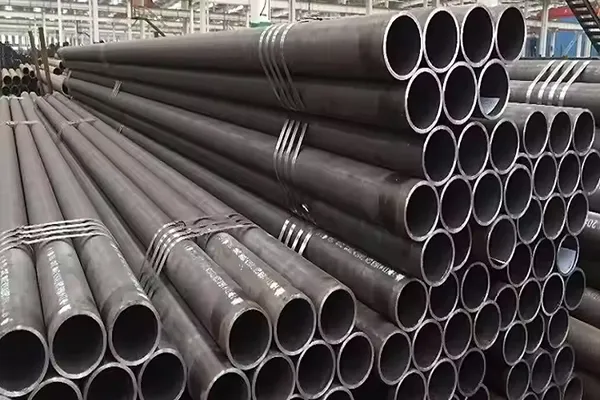
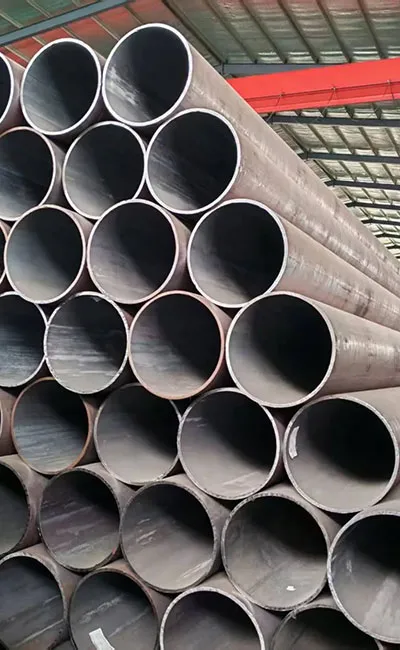
A 3PE coating cannot compensate for an unsuitable steel pipe. Before requesting quotations, buyers should clearly specify:

Item

What to Confirm

Pipe type

Seamless, ERW/HFW, LSAW or SSAW

Steel grade

Required grade and specification

Outside diameter

Exact OD

Wall thickness

WT or schedule

Length

Fixed or random length

Ends

Plain, beveled or project-specific

Standard

API 5L, ISO, ASTM, EN or project specification

The base pipe standard and coating standard should work together. For international projects, the purchase order should state the exact standard and edition wherever relevant.


3. Specify the Complete 3PE System

A typical 3PE system consists of fusion-bonded epoxy (FBE), adhesive, and polyethylene outer layers. Each layer has a different function: the epoxy provides corrosion resistance and adhesion, the adhesive bonds the layers, and the PE layer provides mechanical and environmental protection. Do not simply ask for “3PE coating.” The procurement specification should define the applicable coating standard, coating class or project requirement, minimum thickness, surface preparation, cutback, application procedure, and inspection requirements. Most importantly, thicker is not automatically better. The required coating thickness should be based on the governing standard, pipe size, installation conditions, service environment, and project specification.


4. Ask the Supplier About Installation Conditions

A coating that performs well during factory inspection can still be damaged during transportation and installation. Tell the supplier how the pipe will be installed:

  • Conventional trenching
  • Rocky-soil burial
  • Horizontal directional drilling
  • River crossing
  • Subsea installation
  • Other high-impact or abrasive conditions
These conditions may affect coating mechanical requirements, handling procedures, packing, repair methods, and field-joint protection. The supplier should understand the installation risk before finalizing the coating specification.


5. Do Not Overlook Field-Joint Protection

One of the most common procurement gaps is focusing heavily on factory coating while giving insufficient attention to field joints. The factory-applied 3PE coating normally stops short of the girth weld area. After the pipe is welded on site, the exposed joint requires a compatible field-applied protection system. Before purchasing, confirm:
  • Approved field-joint coating system
  • Surface preparation requirements
  • Application procedure
  • Overlap requirements
  • Inspection method
  • Repair procedure

The transition between factory coating and field-joint coating should be treated as part of the overall corrosion-control system, not as a separate afterthought.


6. Define Inspection Before Production Starts

Inspection requirements should be agreed in the purchase order and inspection and test plan (ITP), not after production has finished. Depending on the project, buyers may specify:
  • Visual inspection
  • Coating thickness measurement
  • Holiday detection
  • Adhesion or peel testing
  • Impact or indentation testing
  • Cathodic disbondment testing
  • Dimensional inspection
  • Pipe marking and traceability
  • Third-party inspection
ISO 21809-1:2018 contains requirements and test methods for evaluating three-layer polyolefin coating systems. The key is to define the acceptance criteria and test frequency before production so that both buyer and supplier are working to the same quality target.


7. Check Documentation and Traceability

A reliable supplier should be able to connect each shipment with its manufacturing and inspection records. Before shipment, buyers should review documents such as:
  • Material Test Certificate (MTC)
  • Coating material certificates
  • Coating inspection reports
  • Dimensional inspection records
  • NDT records where applicable
  • Holiday test records
  • Test reports required by the project
  • Heat-number and pipe-marking records
  • Packing list and shipping documentation

Traceability becomes especially important when thousands of meters of coated pipe are delivered to an international project.


8. Compare Lifecycle Cost, Not Just Quotation Price

The lowest initial quotation does not necessarily represent the lowest project cost. A more useful comparison is: Pipe + coating + inspection + transportation + installation + maintenance + potential repair or replacement. A properly specified 3PE system may require a higher initial investment but provide better value where corrosion exposure and design-life requirements are significant. The objective is not to purchase the most expensive coating. It is to purchase the appropriate protection for the required service life.


9. Five Questions Buyers Should Ask Before Ordering

Before approving a supplier, ask:
(1) Which pipe standard and steel grade will be supplied?
(2) Which 3PE coating standard and coating class will be applied?
(3) How will coating thickness and holidays be inspected?
(4) How will field joints and transportation damage be protected or repaired?
(5) Can the supplier provide complete MTC, coating, inspection, and traceability records?
Clear answers to these questions can prevent many procurement problems before production begins.


Conclusion

Selecting the right 3PE anti-corrosion steel pipe is a specification and risk-control decision, not simply a price comparison. Buyers should evaluate the base pipe, service environment, 3PE system, installation method, field-joint protection, inspection plan, documentation, and lifecycle cost together. When requesting a quotation, provide the supplier with the pipe size, wall thickness, steel grade, applicable standard, coating requirement, quantity, installation conditions, inspection level, and required documentation. This gives the manufacturer enough information to quote the complete solution rather than simply a pipe with a coating added to it. For international pipeline projects, a clear technical specification at the procurement stage is one of the simplest ways to reduce quality disputes, coating failures, and unexpected costs later in the project.

Latest news list

  • 3PE anti-corrosion steel pipe,3PE coating selection,FBE coating,3LPE coating,3LPP coating
    When purchasing 3PE anti-corrosion steel pipe,buyers often focus on pipe diameter,wall thickness,steel grade,and price,However,the coating materials are equally important,A 3PE system is not simply “plastic around a steel pipe,” It is a multi-layer protection system in which each material performs a different function,
  • 3PE anti-corrosion steel pipe maintenance,3PE coated steel pipe,3PE pipeline maintenance
    A 3PE anti-corrosion steel pipe does not stop requiring attention once it has been installed and buried,The three-layer polyethylene coating is designed to isolate the steel from moisture,soil,and other corrosive conditions,but the coating can still be damaged during transportation,welding,backfilling,excavation,or pipeline operation,
  • 3PE anti-corrosion steel pipe quality control,3PE coated steel pipe inspection,3PE coating inspection
    Quality control is one of the most important factors affecting the performance of 3PE anti-corrosion steel pipe,A three-layer coating can provide effective external protection only when the steel surface,coating materials,application process,inspection,and subsequent handling are properly controlled,
  • 3PE vs 2PE steel pipe,3PE coated steel pipe,2PE coated steel pipe,3PE coating,2PE coating
    Selecting an external coating for buried steel pipe is not simply a matter of choosing more coating layers,The right system depends on soil conditions,operating requirements,installation methods,mechanical exposure,applicable standards,and the level of corrosion protection required,2PE and 3PE are both polyethylene-based external coating systems,but their structures are different,Understanding that difference helps EPC contractors,distributors,and pipeline operators make a more informed purchasing decision,
  • 3PE anti-corrosion steel pipe,3PE coated steel pipe,anti corrosion steel pipe,3PE pipeline coating
    3PE anti-corrosion steel pipe is steel pipe protected by a three-layer polyethylene coating system designed to reduce external corrosion and mechanical damage,“3PE” refers to three functional layers: fusion-bonded epoxy (FBE),a copolymer adhesive,and an outer polyethylene (PE) layer,

Find what you need ?

close
We use cookies and other tracking technologies to improve your browsing experience on our website, to show you personalized content and targeted ads, to analyze our website traffic, and to understand where our visitors are coming from.