Finned steel tubes are widely used in heat exchangers where improving thermal efficiency, reducing energy loss, and ensuring long-term operational stability are critical. In industrial systems such as boilers, air-cooled heat exchangers, and waste heat recovery units, performance is not determined by the base material alone. Instead, it depends on the structural design of the finned tube, including fin geometry, bonding method, and overall manufacturing quality. Understanding these structural features helps engineers and procurement teams select configurations that align with temperature conditions, corrosion environments, and mechanical requirements.
A finned steel tube is a heat transfer component designed by attaching external fins onto a base tube. The base tube carries pressurized fluid, while the fins significantly increase external surface area, enabling more efficient heat exchange with air or gas. Unlike standard tubing, a finned tube functions as an integrated thermal and mechanical system. Its performance depends on how effectively heat is transferred across the fin-to-tube interface, making structural integrity and bonding quality as important as material selection.
A typical finned steel tube consists of three core structural elements:
1. Base Tube
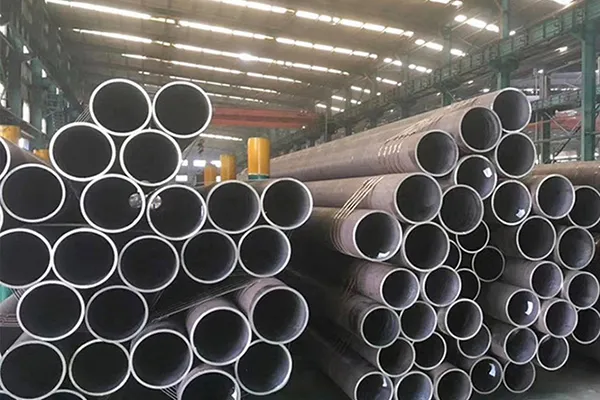
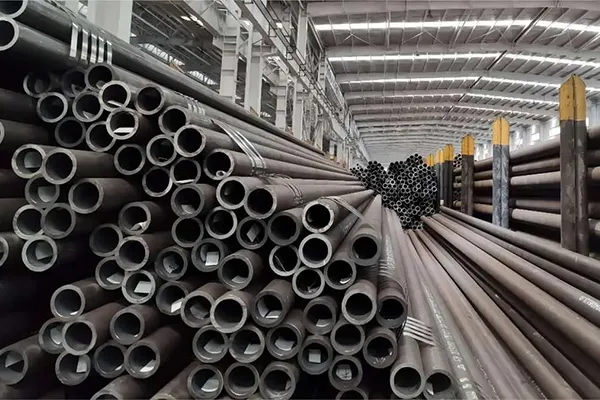
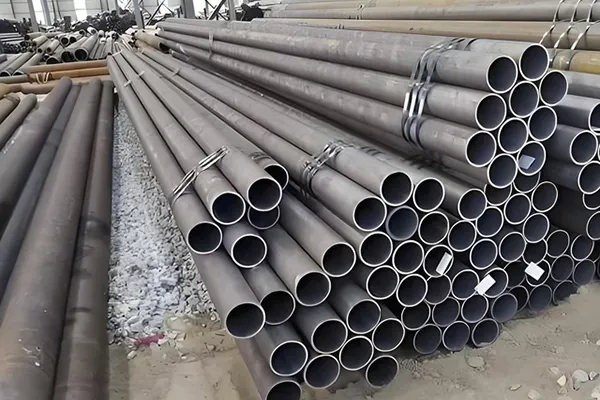
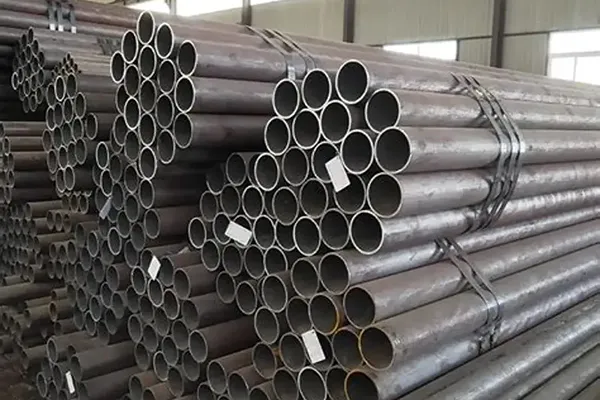
The base tube serves as the pressure-bearing element. It is selected based on mechanical strength, temperature resistance, and corrosion requirements. Common materials include:
-
Carbon steel: SA106 Gr.B, SA53-B
-
Stainless steel: 304, 316L
-
Alloy steel: P91, P22
Wall thickness is generally designed according to applicable pressure vessel codes such as ASME standards, and may vary depending on operating pressure and temperature conditions.
2. Fins
Fins provide the extended heat transfer surface. They are typically made of aluminum, carbon steel, or stainless steel depending on operating conditions. Common design ranges (may vary by application):
-
Fin height: approximately 6–25 mm
-
Fin thickness: about 0.3–0.65 mm
-
Fin density: roughly 4–16 fins per inch (FPI)
Aluminum is widely used due to its high thermal conductivity and ease of forming, especially in moderate-temperature applications.
3. Fin-to-Tube Bond
The bonding interface between fin and tube is a critical structural feature affecting both thermal performance and mechanical durability. Different bonding technologies create different levels of thermal contact efficiency and vibration resistance. Typical bonding methods include:
-
Metallurgical bonding (welded fins)
-
Mechanical bonding (extruded or embedded fins)
-
Tension-based wrapping systems
Each method offers different advantages depending on temperature, corrosion exposure, and operating stability requirements.










 English
 Español
 русский язык
 Português