Company News

Hunan Great Steel Pipe Co., Ltd
steel pipe supplier,square galvanized pipe,dsaw steel pipe

What is an ERW steel pipe

Date: 2024-01-21
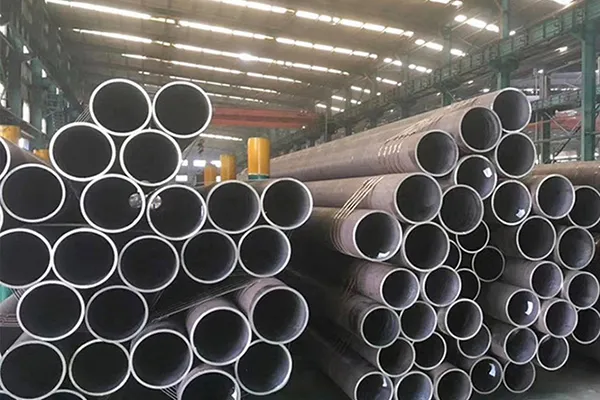
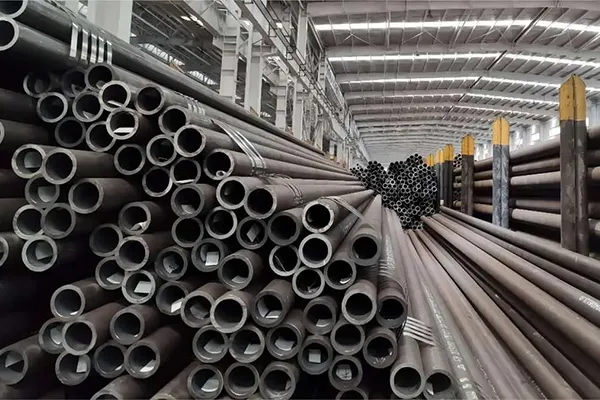
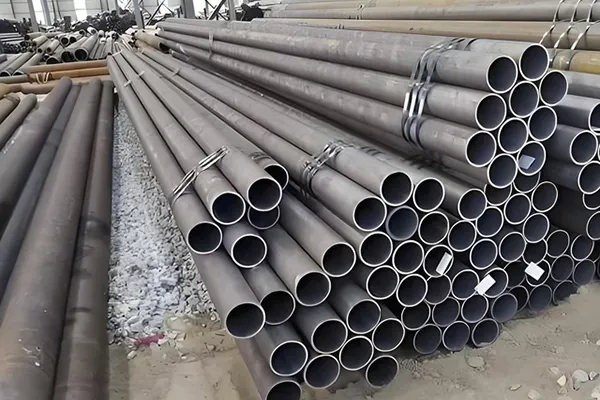
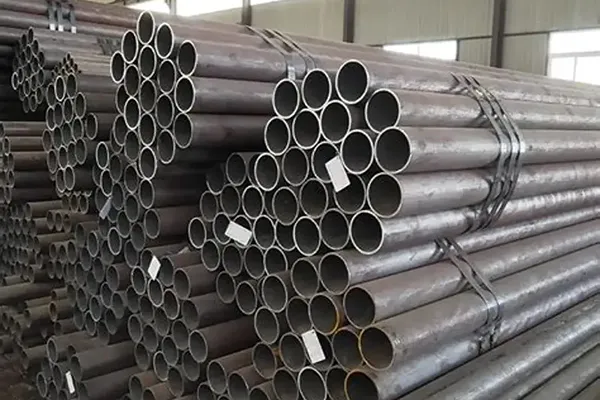
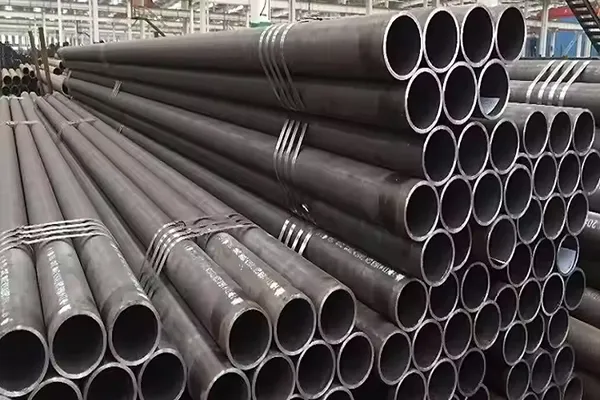
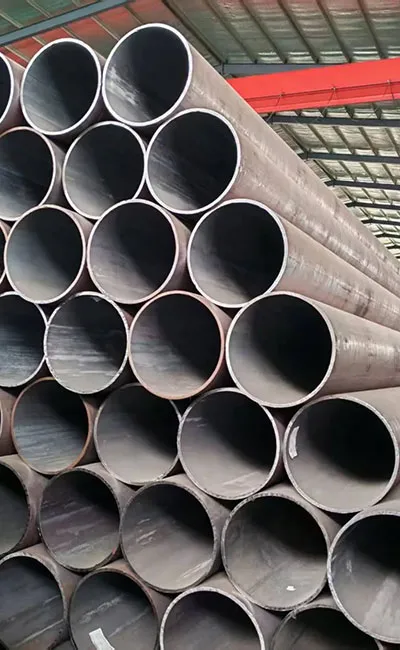
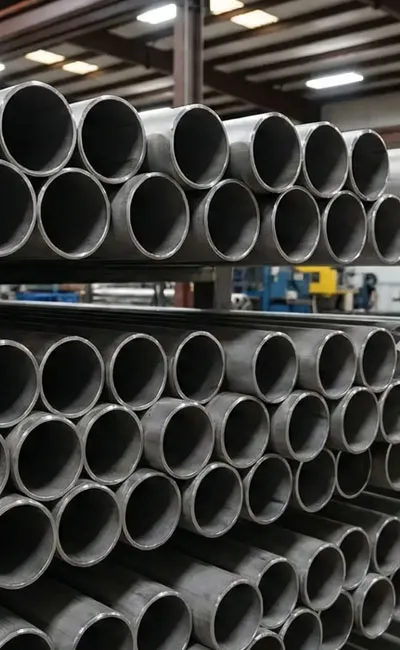
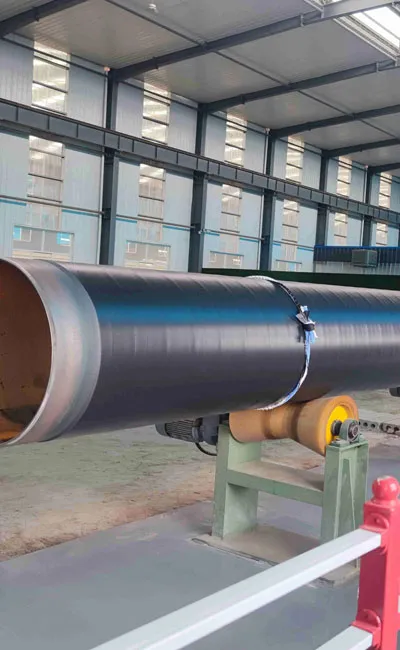
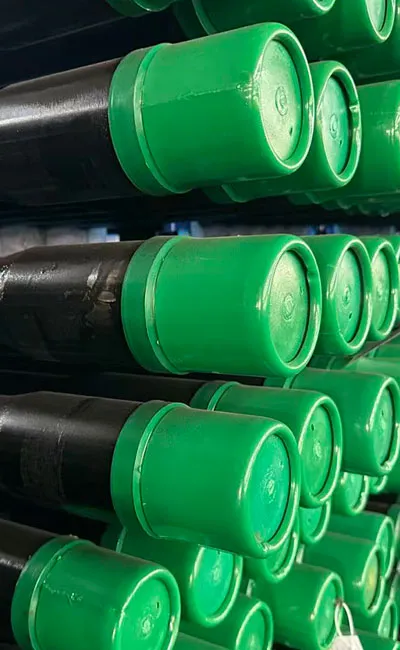
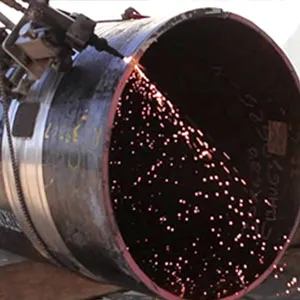
What is an ERW steel pipe What is an ERW steel pipe? The biggest difference between ERW steel pipe (Electric Resistance Welding, abbreviated as ERW) and seamless steel pipe is that ERW has a weld seam, which is also the key to the quality of ERW steel pipe. Modern ERW steel pipe production technology and equipment, due to the international Especially with the unremitting efforts of the United States and other countries over the years, the seamlessness of ERW steel pipes has been solved satisfactorily. Some people divide the seamlessness of ERW steel pipes into geometric seamlessness and physical seamlessness. Geometric seamlessness means clearing ERW steel pipes. Internal and external burrs. Due to the continuous improvement and improvement of the structure of the internal burr removal system and the cutting tools, the internal burrs of large and medium-diameter steel pipes have been better processed. The internal burrs can be controlled at around -0.2mm~+O.5mm and are physically free. Seamization refers to the difference between the metallographic structure inside the weld and the base metal, resulting in a decrease in the mechanical properties of the weld area. Measures need to be taken to make it uniform and consistent. The high-frequency welding thermal process of ERW steel pipes causes the tube to blank The temperature distribution gradient near the edge forms a molten zone, a semi-melted zone, a superheated structure, a normalizing zone, an incomplete normalizing zone, a tempering zone, other characteristic areas. Among them, the structure of the superheated zone is austenite due to the welding temperature above 1000°C. The grains grow rapidly, and a hard and brittle coarse crystal phase will be formed under cooling conditions. In addition, the existence of a temperature gradient will generate welding stress. This results in a situation where the mechanical properties of the weld area are lower than those of the base material and the physical seamlessness is achieved. It is through the local conventional heat treatment process of the weld seam, that is, using a medium frequency induction heating device to heat the weld seam area to AC3 (927°C), and then perform an air cooling process with a length of 60m and a speed of 20m/min, and then water cooling when necessary. The use of this method can achieve to eliminate stress, soften and refine the structure, and improve the comprehensive mechanical properties of the welding heat-affected zone, currently, the world’s advanced ERW units have generally adopted this method to process welds, and have achieved good results. High-quality ERW steel pipes are not only The weld seam that cannot be identified, and the weld seam coefficient reaches 1, achieving a match between the weld area structure and the base material. ERW steel pipes have the advantage of using hot-rolled coils as raw materials, and the wall thickness can be uniformly controlled at about ±0.2mm. The two ends of the steel pipe According to the American APl standard or GB/T9711.1 standard, it has the advantages of end beveling and fixed-length delivery. In recent years, various natural gas pipeline network projects and gas companies have widely adopted ERW steel pipes as the main steel pipes in urban pipeline networks. Post time: Jan-23-2024

Latest news list

  • alloy steel pipe buying guide,buy alloy steel pipe,alloy steel pipe supplier,alloy steel pipe export
    Buying alloy steel pipe for an international project involves more than comparing prices per tonne,For EPC contractors,distributors and industrial buyers,procurement needs to connect technical specifications,quality control,inspection,documentation and logistics,A well-defined purchasing process helps reduce specification gaps,inspection delays and delivery problems before the pipe reaches the project site,
  • how to select alloy steel pipe,alloy steel pipe selection,alloy steel pipe buying guide,high temperature alloy steel pipe
    Selecting alloy steel pipe should start with the actual service conditions,not simply with a supplier's product catalog,In boiler,power generation and refinery applications,temperature,pressure,process medium and material properties all affect pipe selection,For example,ASTM A335,A335M-26 covers seamless ferritic alloy-steel pipe for high-temperature service,The standard states that selection depends on design,service conditions,mechanical properties and high-temperature characteristics,For buyers,a structured selection process helps prevent specification gaps before production begins,
  • alloy steel pipe maintenance,alloy steel pipe boiler usage,alloy steel pipe refinery,high temperature pipe maintenance
    Alloy steel pipe is widely used in boiler,power generation and refinery systems where piping is exposed to elevated temperatures,pressure and demanding process conditions,Selecting the correct alloy grade is important,but material selection alone does not determine service life,Long-term performance also depends on operating conditions,thermal exposure,wall thickness,fabrication quality,inspection and maintenance,For example,ASTM A335,A335M-26 covers seamless ferritic alloy-steel pipe for high-temperature service and states that material selection depends on design,service conditions,mechanical properties and high-temperature characteristics,
  • alloy steel pipe quality control,alloy steel pipe inspection,alloy steel pipe mechanical properties
    For alloy steel pipe used in boilers,power plants,refineries and other demanding industrial systems,quality control should cover the complete supply chain from raw material identification to final shipment,A pipe can meet the required outside diameter and wall thickness and still fail to satisfy the project specification if the material grade,heat treatment,mechanical properties or inspection records are incorrect,For buyers,effective quality control means verifying both the physical product and the evidence behind it,
  • alloy steel pipe high temperature,alloy steel pipe applications,alloy steel pipe selection,alloy steel pipe
    High-temperature process piping places demanding requirements on pipe materials,As temperature increases,material strength can change,oxidation can become more significant,and long-term exposure can affect the service condition of the piping system,Alloy steel pipe is commonly selected for applications where elevated-temperature mechanical performance is required,Typical uses include refinery process lines,petrochemical units,boiler and steam systems,power-generation facilities and other industrial piping operating under elevated temperature and pressure,The correct selection,however,depends on the complete service condition rather than temperature alone,

Find what you need ?

close
We use cookies and other tracking technologies to improve your browsing experience on our website, to show you personalized content and targeted ads, to analyze our website traffic, and to understand where our visitors are coming from.