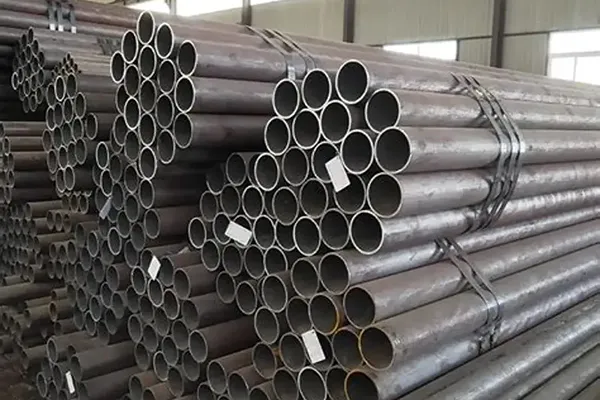
Testing requirements depend on the applicable material standard and purchase specification. For ASTM A335/A335M, each length is subject to hydrostatic testing and non-destructive examination requirements specified by the standard. The specification also identifies mechanical test requirements and limitations associated with different NDE methods. Depending on the project, buyers may need to verify:
-
Hydrostatic test results
-
Ultrasonic testing or other specified NDE
-
Visual inspection
-
Test acceptance criteria
-
Inspection frequency
Additional testing should be clearly stated in the purchase order rather than assumed after production.
7. Inspect Surface Condition and Marking
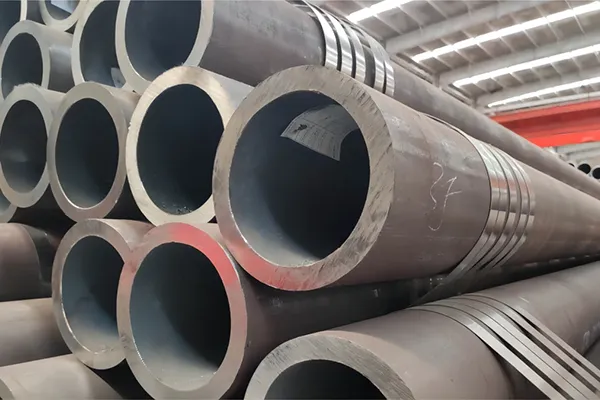
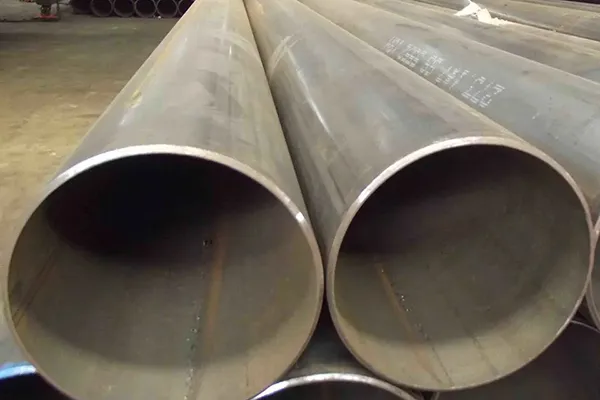
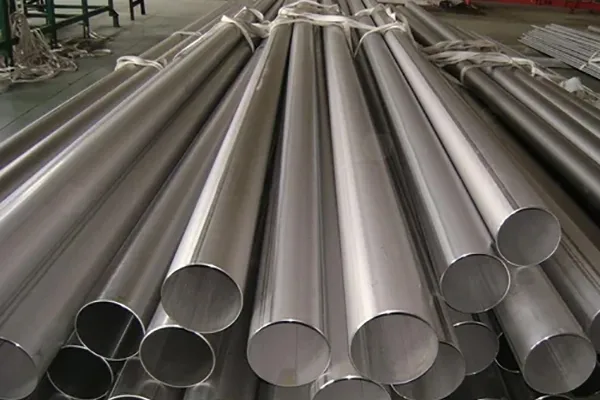
Visual inspection should cover the pipe surface, ends and identification markings. The marking should allow the supplied pipe to be identified against the purchase documents. Depending on the specification, identification may include the material grade, size, standard, manufacturer and heat number. Surface requirements vary by product standard and application, so acceptance should be based on the agreed specification rather than a general visual judgment.
8. Review the Complete Documentation Package
For international project procurement, documentation is part of quality control. Depending on the order, the documentation package may include:
-
Material Test Certificate
-
Chemical analysis
-
Mechanical test results
-
Heat-treatment records
-
Dimensional inspection reports
-
Hydrostatic test records
-
NDE reports
-
Packing list
-
Other project-specific inspection documents
The documents should be consistent with the physical pipe markings and heat-number records.
9. Complete Inspection Before Shipment
Final inspection is the last opportunity to confirm that the shipment matches the purchase order before the material leaves the supply chain. For large or critical projects, customer or third-party inspection may be arranged according to the contract. At Hunan Great Steel Pipe, alloy steel pipe supply can include specification review, factory inspection coordination, material verification, traceability control and export documentation. The goal is straightforward: the pipe, inspection results and project documents should tell the same story.
FAQ
Q1: What is the most important alloy steel pipe quality check?
A1: There is no single check that determines quality. Material grade, chemical composition, heat treatment, mechanical properties, dimensions, testing and traceability should be considered together.
Q2: Why is heat-number traceability important?
A2: It connects the finished pipe with its original material and inspection records, making it easier to verify the product during fabrication, delivery and project audits.
Q3: Does every alloy steel pipe require NDE?
A3: Not necessarily. NDE requirements depend on the applicable product standard, material grade, purchase specification and project requirements. The required method and acceptance criteria should be defined before production.
Q4: What documents should buyers request?
A4: Depending on the project, buyers may request MTCs, chemical and mechanical test results, heat-treatment records, dimensional reports, hydrostatic test records, NDE reports and other specified inspection documents.
Q5: Can third-party inspection be arranged?
A5: Yes, when required by the project or purchase contract. The inspection scope and timing should be agreed before production or shipment.
Conclusion
Reliable alloy steel pipe quality control is not based on one inspection item. Buyers should verify the material, manufacturing condition, mechanical properties, dimensions, testing, traceability and documentation as one connected quality system. The most effective approach is to define inspection requirements before production, maintain heat-number traceability throughout the supply process, and complete final verification before shipment. This gives engineers and buyers a clearer basis for accepting alloy steel pipe for demanding industrial applications.










 English
 Español
 русский язык
 Português