Product News

Hunan Great Steel Pipe Co., Ltd
alloy steel pipe manufacturing,alloy steel pipe production process,alloy steel pipe heat treatment

How Is Alloy Steel Pipe Manufactured for High-Temperature Applications

Date: 2026-09-28
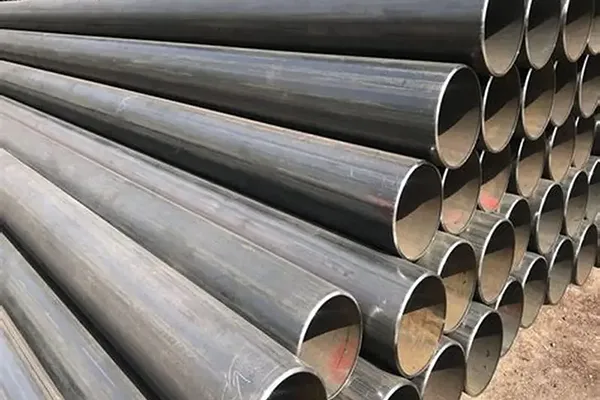
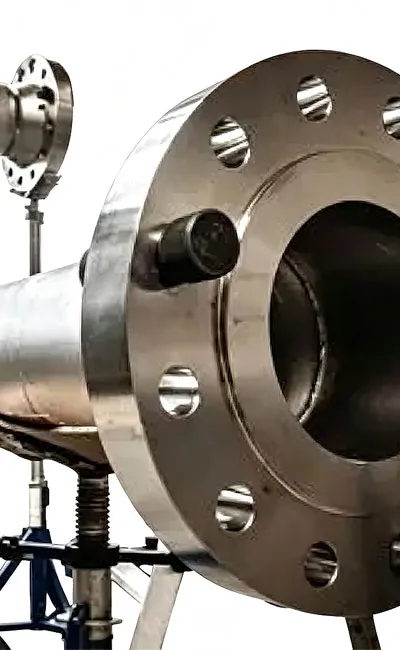
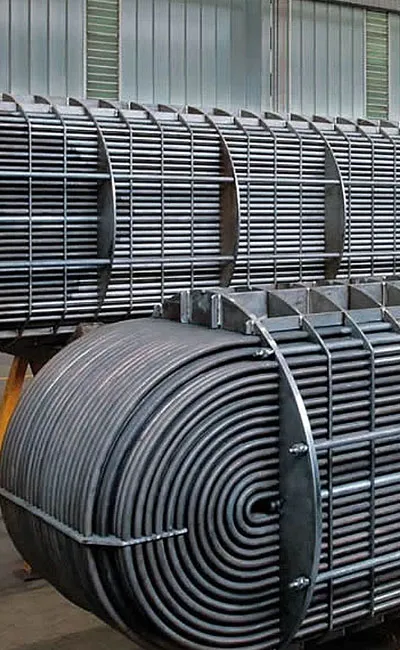
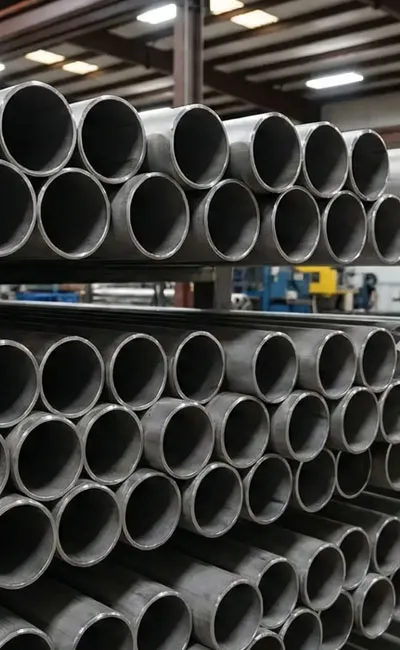
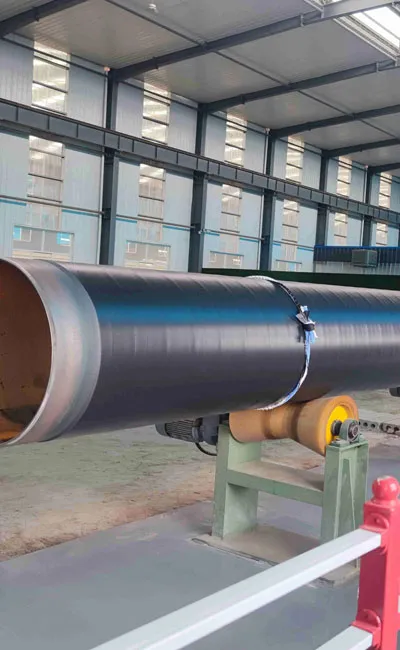
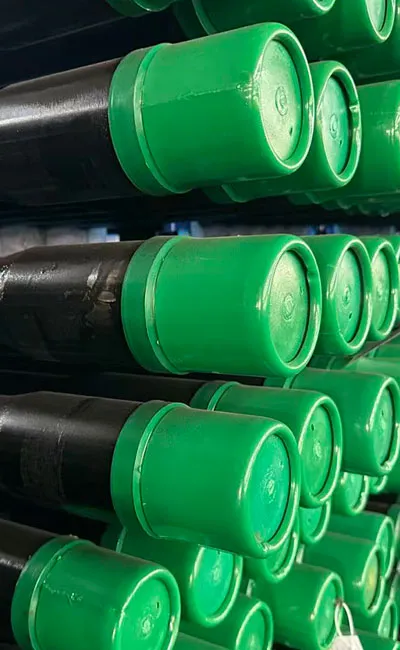
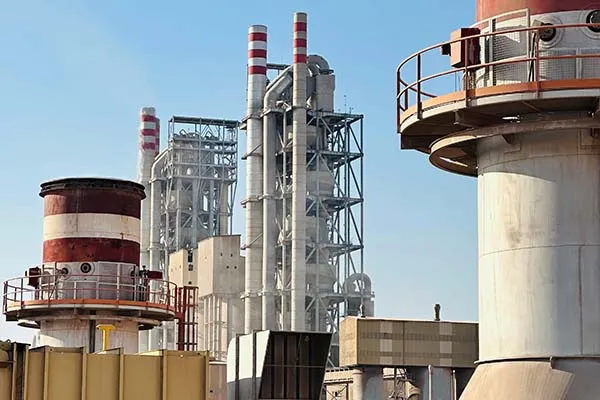
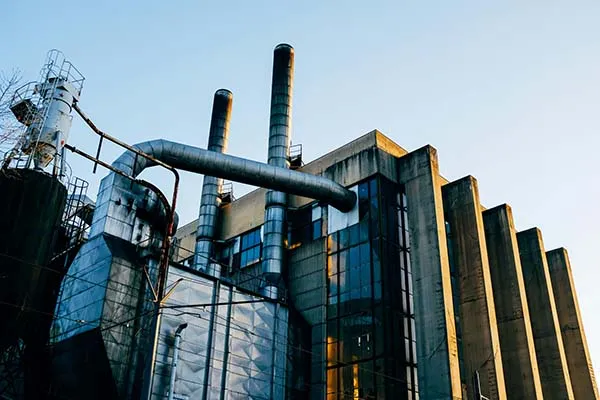
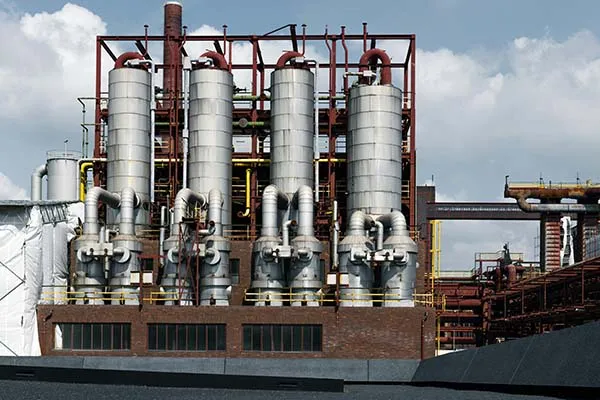
Alloy steel pipe is used in industrial systems where the material must maintain reliable mechanical properties under demanding temperature and pressure conditions. Common applications include power plants, boilers, refineries, petrochemical facilities and high-temperature process piping. For these applications, pipe quality is determined by more than the alloy grade shown on the material certificate. The manufacturing route, heat treatment, dimensional control and inspection process all affect the final condition of the pipe. Understanding these stages helps engineers and buyers evaluate alloy steel pipe before it enters an industrial project.

1. Material Preparation and Heat Traceability

Alloy steel pipe production starts with steel material that meets the specified chemical composition and quality requirements. Depending on the grade, alloying elements such as chromium, molybdenum, manganese, nickel or silicon may be controlled within defined ranges. Chromium and molybdenum are commonly found in alloy grades intended for demanding elevated-temperature service because their presence contributes to the required material properties. Before production, the material should be identified by heat number and checked against the purchase specification. Maintaining heat-number traceability through production and final documentation helps connect the finished pipe with its original material records.

2. Seamless Pipe Forming and Manufacturing

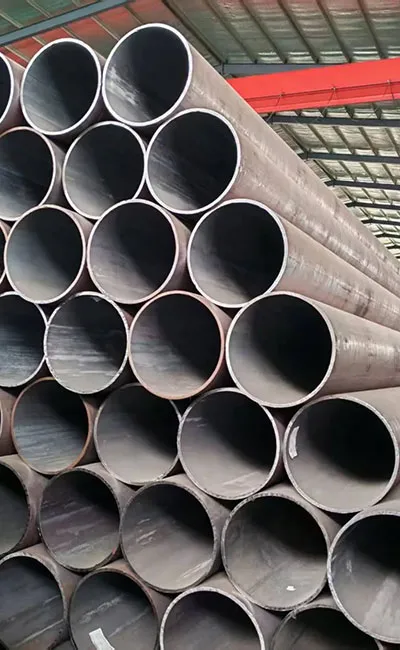
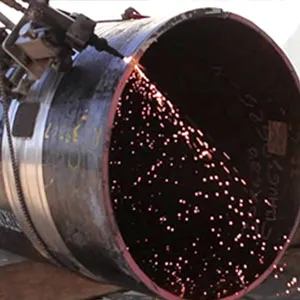
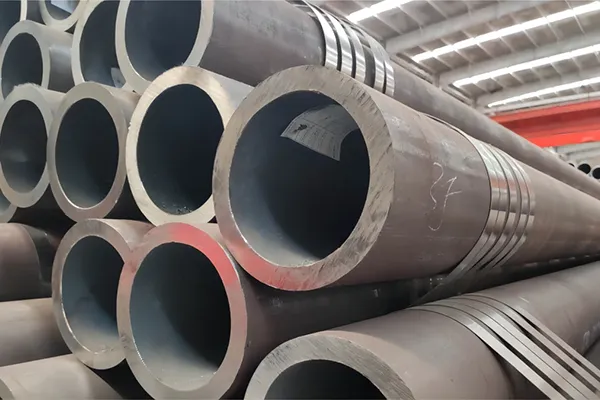
For seamless alloy steel pipe, the manufacturing route begins with a solid steel billet rather than a welded strip or plate. The billet is heated to the required temperature and processed through piercing to create a hollow section. Depending on the size, grade and manufacturing route, subsequent hot working, elongation and sizing operations are used to achieve the required outside diameter and wall thickness. The basic production sequence can be summarized as: Billet Preparation → Heating → Piercing → Hot Working → Sizing → Heat Treatment → Straightening → Inspection. Actual processing parameters depend on the steel grade, pipe dimensions and applicable product specification. The objective is to produce a uniform tubular section while maintaining the required dimensional and metallurgical condition.

3. Heat Treatment Controls the Metallurgical Condition

Heat treatment is one of the most important stages in alloy steel pipe manufacturing. The required treatment depends on the grade and governing specification. Depending on the material, processes may include normalizing, tempering, annealing or other specified heat-treatment conditions. Temperature, holding time and cooling conditions need to be controlled according to the applicable specification. These parameters affect the microstructure and mechanical properties of the finished pipe. For example, ASTM A335/A335M covers seamless ferritic alloy-steel pipe intended for high-temperature service and includes requirements related to chemical composition, mechanical properties, hardness and testing. Heat-treatment records should therefore be retained as part of the project quality documentation when required by the purchase specification.

4. Dimensional Control After Heat Treatment

Heat treatment and subsequent processing can affect pipe dimensions, so dimensional inspection is required before final release. Typical inspection points include:
  • Outside diameter
  • Wall thickness
  • Length
  • Straightness
  • Surface condition
  • End condition
The applicable dimensional tolerances should come from the specified product standard and project requirements rather than from a general tolerance table. For project orders, dimensional checks should also consider the requirements of downstream fabrication, welding and installation.

5. Mechanical and Chemical Verification

Finished alloy steel pipe must demonstrate that its material properties meet the specified grade. Depending on the applicable standard and purchase specification, testing may include:
  • Chemical composition
  • Tensile strength
  • Yield strength
  • Elongation
  • Hardness
  • Flattening or bend testing where specified
Chemical analysis confirms the alloy composition, while mechanical testing verifies the required strength and ductility. These tests are particularly important for high-temperature service because the material grade is selected for specific service conditions rather than simply for general structural strength.

6. NDE, Hydrostatic Testing and Final Inspection

Inspection requirements vary according to the product standard and project specification. Depending on the order, final inspection may include visual examination, dimensional inspection, hydrostatic testing and non-destructive examination such as ultrasonic or other specified methods. For example, ASTM A335/A335M includes hydrostatic testing and non-destructive examination requirements for pipe supplied to the specification. Additional or supplementary requirements may also be defined by the purchaser. Inspection should be planned before production begins. This prevents critical testing requirements from being added after manufacturing has already started.

7. Documentation and Traceability

For industrial projects, the physical pipe is only one part of the delivery. The quality package may include material certificates, heat-number records, dimensional inspection reports, mechanical test results, NDE records, heat-treatment information and other documents required by the purchase order. At Hunan Great Steel Pipe, alloy steel pipe supply can include specification confirmation, factory inspection coordination, material verification and export documentation. Keeping product identification and quality records consistent from production through shipment helps support project-level traceability.

FAQ

Q1: What is the manufacturing process for seamless alloy steel pipe?
A1: A typical route includes billet preparation, heating, piercing, hot working, sizing, heat treatment, straightening and final inspection. The exact process depends on the alloy grade, dimensions and applicable standard.
Q2: Why is heat treatment important for alloy steel pipe?
A2: Heat treatment establishes the required metallurgical condition and mechanical properties of the specified alloy grade. The treatment must follow the applicable material specification rather than a one-size-fits-all process.
Q3: Which standard is commonly used for high-temperature alloy steel pipe?
A3: ASTM A335/A335M is a commonly specified standard for seamless ferritic alloy-steel pipe intended for high-temperature service. Other standards may apply depending on the project, material grade and application.
Q4: What should buyers check before purchasing alloy steel pipe?
A4: Confirm the material grade, applicable standard, dimensions, heat-treatment condition, mechanical requirements, inspection scope, traceability requirements and documentation before production begins.
Q5: Is alloy steel pipe always seamless?
A5: No. Alloy steel pipe can be supplied through different manufacturing routes depending on the applicable specification and application. This article focuses on seamless alloy steel pipe for high-temperature service.

Conclusion
Manufacturing alloy steel pipe for high-temperature applications requires controlled material preparation, seamless forming, appropriate heat treatment, dimensional control and documented inspection. For engineers and buyers, understanding these production stages makes it easier to evaluate whether a pipe is suitable for the intended service. The most reliable procurement process connects the material grade, manufacturing route, heat treatment, inspection requirements and project documentation from the beginning rather than checking them only after production is complete.

Latest news list

  • stainless welded steel pipe maintenance shutdown,stainless steel pipe replacement,plant shutdown piping
    A plant shutdown creates a limited window for inspection,maintenance and piping replacement,When stainless steel piping needs to be repaired or replaced,delays in material procurement or specification confirmation can quickly affect the shutdown schedule,A practical shutdown strategy starts before equipment is taken offline,Identifying critical pipe sections,confirming replacement specifications and securing materials in advance can help maintenance teams reduce avoidable delays and prepare the system for a controlled restart,
  • stainless welded steel pipe shipment,stainless steel pipe export,stainless welded pipe delivery
    For an overseas stainless welded steel pipe order,delivery does not begin when the cargo reaches the port,It starts with accurate specification confirmation and continues through production,inspection,packing,documentation and logistics coordination,For EPC contractors,fabricators,distributors and project buyers,each stage can affect the final delivery schedule,A well-managed shipment therefore requires technical and commercial information to remain consistent from the purchase order to the final dispatch,
  • stainless welded steel pipe maintenance,stainless steel pipe maintenance guide,stainless piping inspection
    Stainless welded steel pipe provides good corrosion resistance in many industrial applications,but stainless steel piping should not be treated as maintenance-free,Process fluids,deposits,contamination,mechanical stress,temperature changes and operating conditions can all affect piping performance,A practical maintenance program helps identify deterioration before it develops into leakage,unplanned shutdowns or costly replacement work,
  • stainless welded steel pipe buying guide,stainless steel pipe export supplier,stainless steel pipe procurement
    Buying stainless welded steel pipe for an overseas project involves more than comparing product prices,The final procurement result can also depend on specification accuracy,inspection,documentation,packing,transportation and delivery timing,For EPC contractors,distributors and international project buyers,a complete purchasing process should connect the technical specification with the supply and logistics plan,
  • stainless welded steel pipe chemical industry,stainless steel process piping,stainless steel pipe failure prevention
    Chemical processing plants can expose piping systems to corrosive chemicals,elevated temperatures,pressure changes,deposits and repeated cleaning cycles,Stainless welded steel pipe can perform reliably in many of these environments,but material selection and fabrication must match the actual process conditions,Preventing piping problems starts before installation,The chemical service,pipe specification,weld quality,surface condition and operating conditions should all be considered as part of the system design,

Find what you need ?

close
We use cookies and other tracking technologies to improve your browsing experience on our website, to show you personalized content and targeted ads, to analyze our website traffic, and to understand where our visitors are coming from.