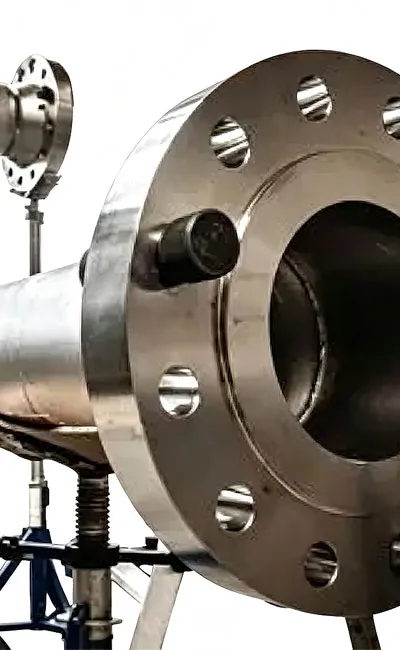
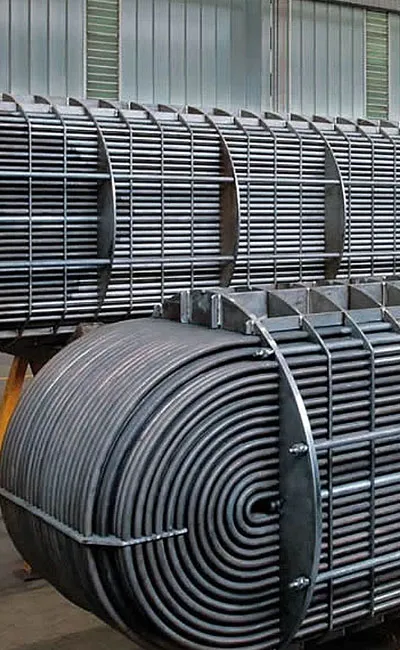
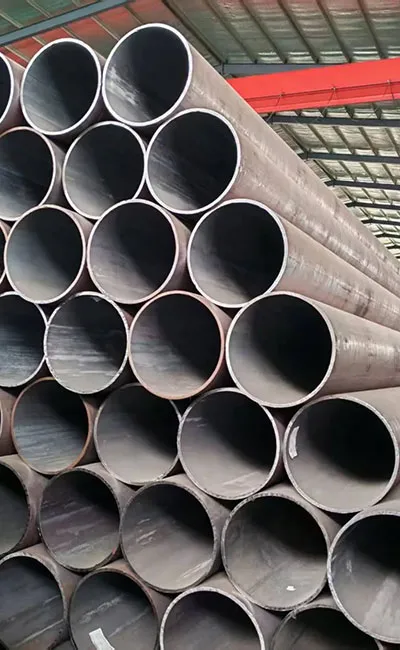
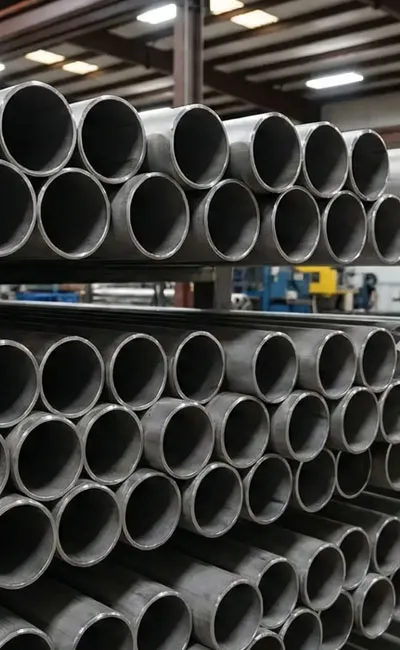
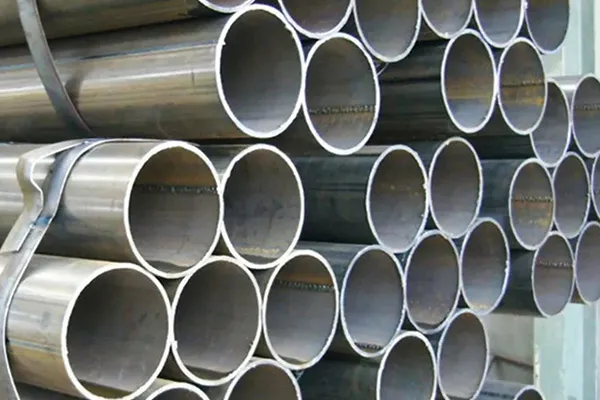
Replacement work is not complete when the new pipe has been installed. The piping system should be inspected and tested according to the applicable project procedure, code and service requirements before returning to operation. Depending on the system, this may include checks of connections, welds, supports, alignment and leakage, together with any specified testing. During restart, operating conditions should also be monitored because changes in pressure, temperature or flow may reveal installation or system issues that were not apparent while the plant was offline.
Record the Replacement for Future Maintenance
A shutdown is also an opportunity to improve future maintenance planning. After replacement, record the installed material, pipe size, location, inspection results and relevant documentation. Keeping these records organized can make future procurement and maintenance decisions faster. It also helps maintenance teams distinguish between original piping and sections that have already been replaced or modified.
Build a Shutdown Replacement Strategy
Reliable shutdown maintenance depends on more than having replacement pipe available. The process should connect inspection, specification, procurement, delivery, installation and restart verification. For critical piping, identifying potential replacement needs well before a planned shutdown provides more time to confirm specifications, arrange production or stock, coordinate inspection and organize delivery. Hunan Great Steel Pipe supports industrial customers with stainless welded steel pipe supply for project, maintenance and replacement requirements. The company serves end users, fabricators, EPC contractors, distributors and project buyers, supporting specification confirmation, quality control and international order coordination.
FAQ
Q1: Why is stainless steel pipe stock useful during plant shutdowns?
A1: Available stock can reduce procurement time for frequently used specifications. However, availability depends on the required grade, size, quantity and supplier inventory.
Q2: Should replacement pipe be exactly the same as the existing pipe?
A2: Not necessarily. The replacement should meet the current engineering, material and service requirements. Existing pipe dimensions can provide a reference, but the original specification and current project requirements should also be checked.
Q3: How early should replacement pipe be ordered before a shutdown?
A3: There is no universal lead time. Timing depends on pipe grade, size, quantity, inspection requirements, stock availability, production schedule and delivery location.
Q4: What should be checked before installing replacement pipe?
A4: Confirm the material grade, dimensions, wall thickness, end condition, connection requirements and applicable inspection requirements. Existing flanges, fittings and site conditions should also be considered.
Q5: How can shutdown piping procurement be improved?
A5: Identify critical sections early, confirm the replacement specification, check material availability, arrange inspection and documentation in advance, and coordinate delivery with the planned maintenance schedule.










 English
 Español
 русский язык
 Português