Company News

Hunan Great Steel Pipe Co., Ltd
stainless welded steel pipe shipment,stainless steel pipe export,stainless welded pipe delivery

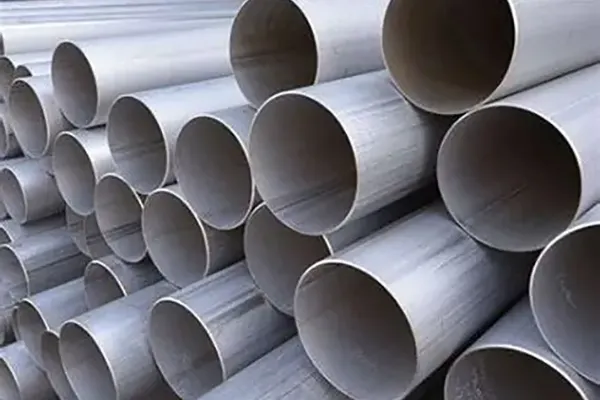
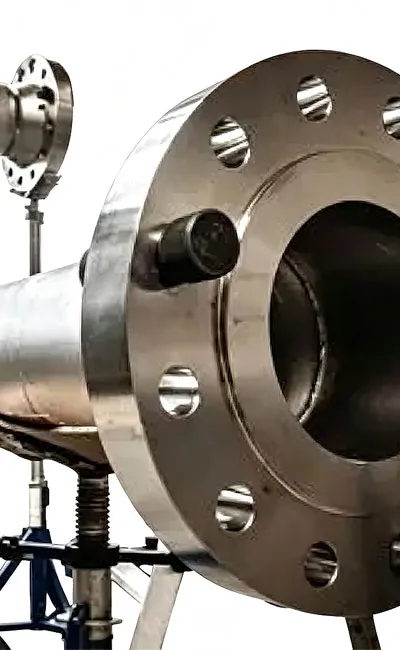
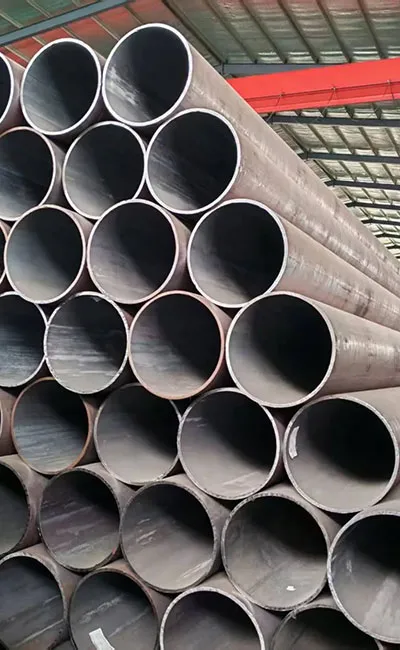
Stainless Welded Steel Pipe Shipment: From Production to Overseas Delivery

Date: 2026-09-24
For an overseas stainless welded steel pipe order, delivery does not begin when the cargo reaches the port. It starts with accurate specification confirmation and continues through production, inspection, packing, documentation and logistics coordination. For EPC contractors, fabricators, distributors and project buyers, each stage can affect the final delivery schedule. A well-managed shipment therefore requires technical and commercial information to remain consistent from the purchase order to the final dispatch.

1. Confirm the Project Specification

Before production begins, the supplier should review the purchase requirements carefully. Key information normally includes stainless steel grade, applicable product standard, outside diameter, wall thickness, length, quantity, surface condition, end preparation and inspection requirements. For project orders, this information should be checked against drawings, technical specifications and purchase documents where applicable. A difference in pipe size, wall thickness or material grade can create problems during fabrication or installation. Clear specification confirmation at the beginning helps prevent changes after production has started.

2. Organize Production and Material Traceability

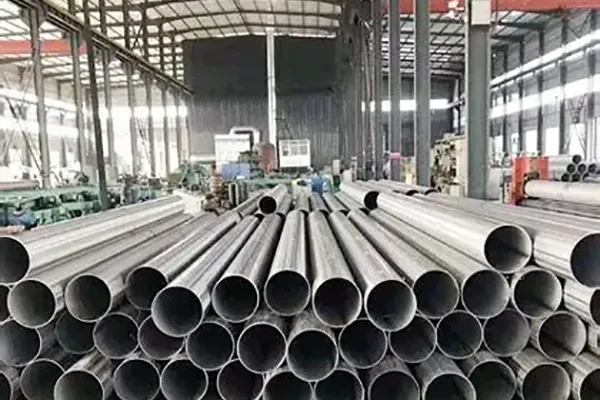
Once the technical requirements are confirmed, production can be arranged according to the agreed schedule. Material identification and production records should remain traceable throughout the manufacturing process. Depending on the applicable product standard and purchase specification, production and inspection requirements may cover dimensions, mechanical properties, weld quality and other specified tests. For example, ASTM A312/A312M covers certain seamless, straight-seam welded and heavily cold-worked welded austenitic stainless steel pipes and specifies requirements including chemical composition, heat treatment, mechanical testing and nondestructive electric or hydrostatic testing. The applicable standard should always be confirmed according to the actual product and purchase specification rather than applied generically to every stainless welded pipe.

3. Complete Inspection Before Shipment

Inspection should be completed before the cargo leaves the production facility. Depending on the order, this may include dimensional inspection, visual examination, material documentation and specified testing. Welded stainless steel products may also have specific weld-related inspection or testing requirements under the applicable standard. For example, ASTM A778/A778M includes requirements for certain welded, unannealed austenitic stainless tubular products, including welded-joint testing and examination provisions. The objective is straightforward: verify that the finished pipe matches the agreed specification before it is packed and dispatched.

4. Prepare Stainless Welded Steel Pipe for Export Packing

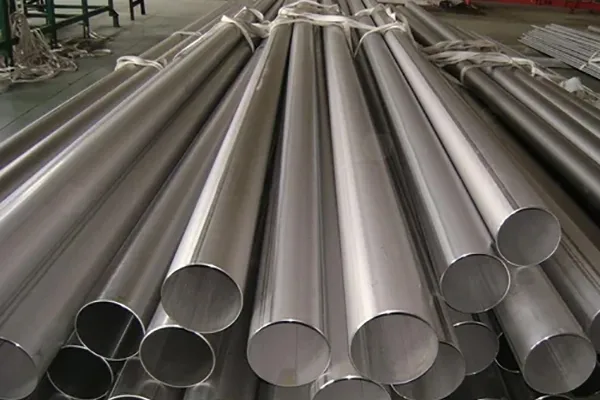
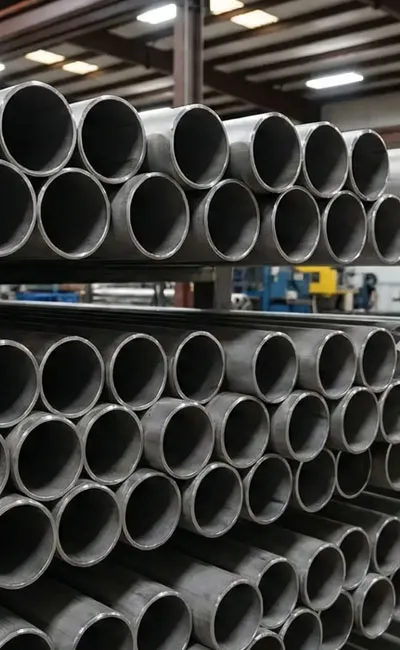
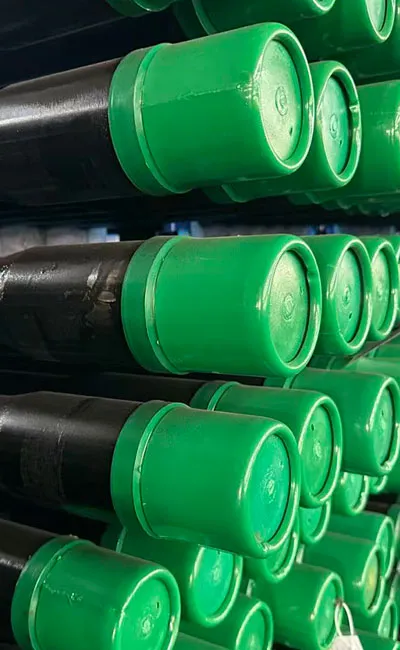
Packing is an important part of international pipe shipment because the cargo may be handled several times before reaching the project site. The packing method should protect the pipe from handling damage, surface contamination and unnecessary exposure during transportation. Pipe ends, bundles, lifting points and identification should be handled according to the product and project requirements. Clear bundle markings are also useful for receiving teams because they allow quantity, size, grade and other relevant information to be checked more efficiently after arrival.

5. Check Export and Inspection Documents

Physical quality is only one part of an international shipment. The documents accompanying the cargo also need to be consistent with the order. Depending on the transaction and project requirements, documentation may include commercial invoices, packing lists, inspection records, material certificates, certificates of origin and transport documents. Before dispatch, the supplier and buyer should check that quantities, specifications, markings and document information are consistent. This can reduce problems during customs clearance, cargo receiving and project documentation review.

6. Coordinate Shipping and Delivery Schedule

After production, inspection and packing are completed, the cargo can be arranged for export shipment. The logistics plan depends on factors such as order quantity, destination, shipping method, required delivery date and cargo characteristics. For project orders, the shipment schedule should also be coordinated with fabrication, installation or construction activities where possible. Early communication is particularly important when a project has a fixed construction window or requires several shipments.

7. Complete a Final Pre-Shipment Check

Before dispatch, a final check helps close the gap between production and delivery. The supplier and buyer can confirm:
  • Quantity and pipe identification
  • Grade, size and wall thickness
  • Packing condition
  • Bundle markings
  • Inspection and material documents
  • Shipping information
  • Delivery destination and schedule
This final review provides a clear handover point before the cargo leaves the supplier.

From Specification to Overseas Delivery

Hunan Great Steel Pipe supports international customers with stainless steel pipe supply, quality control and export coordination. The company serves end users, fabricators, EPC contractors, distributors and project buyers, supporting orders from specification confirmation through inspection, packing and shipment. For an overseas stainless welded steel pipe project, the supplier's role extends beyond manufacturing. Consistent technical communication, controlled inspection, accurate documentation and coordinated logistics all contribute to a smoother delivery process.

FAQ

Q1: Can stainless welded steel pipe be supplied for overseas projects?
A1: Yes. Overseas supply can include specification confirmation, production, inspection coordination, export packing, documentation and shipment arrangements.
Q2: How should stainless welded steel pipe be packed for international transportation?
A2: The packing method should be selected according to pipe size, surface condition, handling method, transportation requirements and project specifications. The objective is to reduce handling damage and surface contamination during transit.
Q3: What documents are normally required for an overseas pipe shipment?
A3: Depending on the order, documents may include commercial invoices, packing lists, material certificates, inspection records, certificates of origin and transport documents.
Q4: How can shipment delays be reduced?
A4: Confirm technical requirements and documentation needs early, then coordinate production, inspection, packing and logistics as one process. A final pre-shipment check can also identify inconsistencies before dispatch.
Q5: What should buyers verify before shipment?
A5: Buyers should check quantity, pipe identification, grade, dimensions, packing condition, inspection documents and shipping information before the cargo is dispatched.

Latest news list

  • stainless welded steel pipe maintenance,stainless steel pipe maintenance guide,stainless piping inspection
    Stainless welded steel pipe provides good corrosion resistance in many industrial applications,but stainless steel piping should not be treated as maintenance-free,Process fluids,deposits,contamination,mechanical stress,temperature changes and operating conditions can all affect piping performance,A practical maintenance program helps identify deterioration before it develops into leakage,unplanned shutdowns or costly replacement work,
  • stainless welded steel pipe buying guide,stainless steel pipe export supplier,stainless steel pipe procurement
    Buying stainless welded steel pipe for an overseas project involves more than comparing product prices,The final procurement result can also depend on specification accuracy,inspection,documentation,packing,transportation and delivery timing,For EPC contractors,distributors and international project buyers,a complete purchasing process should connect the technical specification with the supply and logistics plan,
  • stainless welded steel pipe chemical industry,stainless steel process piping,stainless steel pipe failure prevention
    Chemical processing plants can expose piping systems to corrosive chemicals,elevated temperatures,pressure changes,deposits and repeated cleaning cycles,Stainless welded steel pipe can perform reliably in many of these environments,but material selection and fabrication must match the actual process conditions,Preventing piping problems starts before installation,The chemical service,pipe specification,weld quality,surface condition and operating conditions should all be considered as part of the system design,
  • how to choose stainless welded steel pipe,stainless welded pipe buying guide,stainless steel pipe selection
    Choosing stainless welded steel pipe for an industrial project involves more than selecting a grade and size,The pipe must match the service conditions,applicable standard,dimensional requirements,inspection level and delivery requirements,A clear specification at the purchasing stage can help avoid material mismatches,additional inspection costs and installation problems later,
  • stainless welded steel pipe water system,stainless welded pipe process piping,stainless steel process pipe
    Water,process fluids and industrial utilities can expose piping systems to corrosion,temperature changes,pressure and chemical contamination,Stainless welded steel pipe can provide a practical solution when the material grade,dimensions,weld quality and surface condition are matched to the actual service conditions,The key is not simply choosing stainless steel,Pipe selection should consider the fluid,operating temperature,pressure,corrosion environment,applicable standard and project requirements,

Find what you need ?

close
We use cookies and other tracking technologies to improve your browsing experience on our website, to show you personalized content and targeted ads, to analyze our website traffic, and to understand where our visitors are coming from.