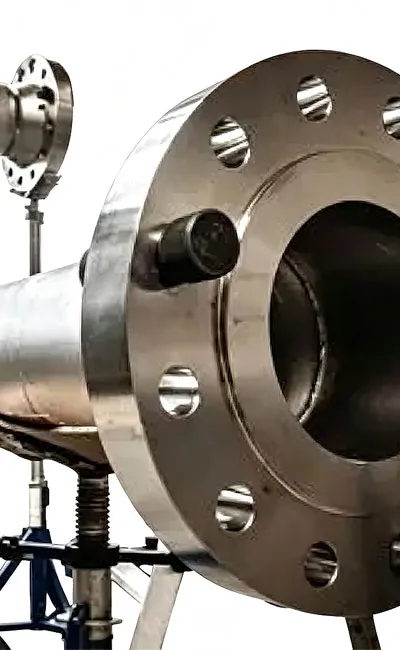
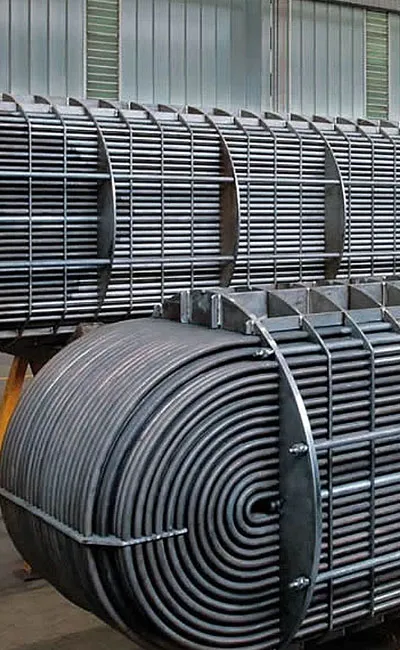
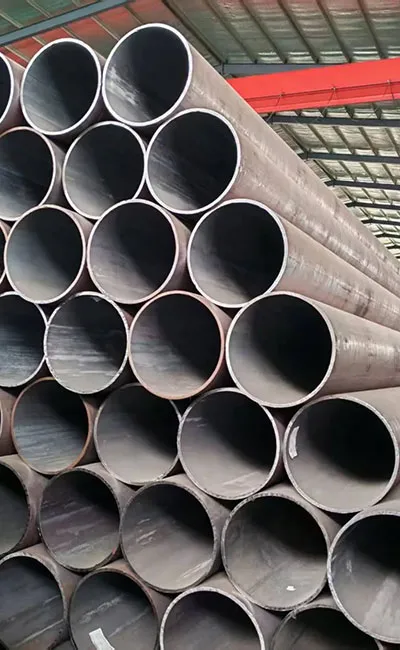
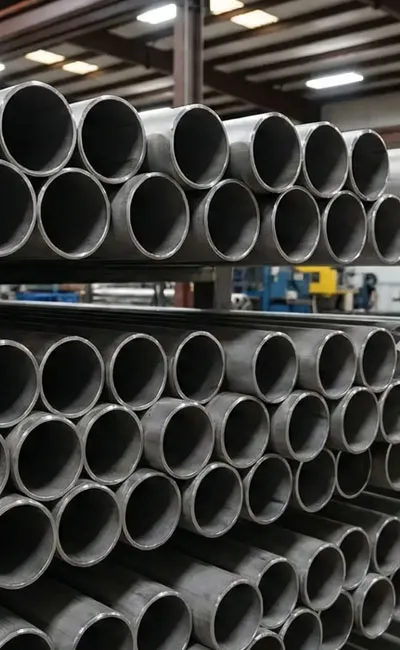
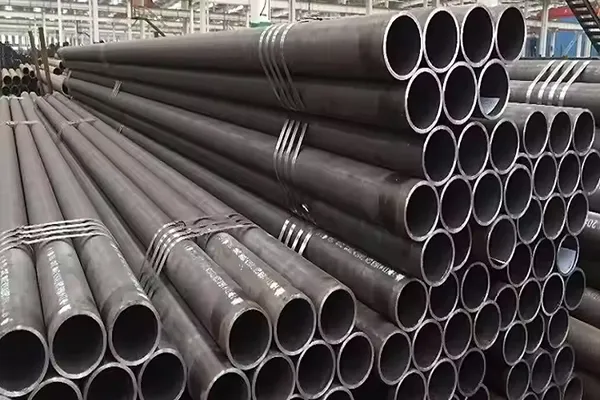
Inspection should be established before production and fabrication. For supplied alloy steel pipe, quality verification may include chemical analysis, mechanical testing, dimensional inspection, hardness testing, hydrostatic testing and non-destructive examination where required by the applicable specification. During plant operation, inspection may focus on changes such as wall-thickness reduction, surface deterioration, abnormal deformation, leakage, vibration or unexpected temperature conditions. ASTM A335/A335M includes hydrostatic testing and non-destructive examination requirements within its specification framework, with additional requirements available where specified by the purchaser.
7. Treat the Pipe as Part of the Complete Piping System
Alloy steel pipe does not operate independently. Pipe, fittings, valves, flanges, welds, supports and insulation all affect the performance of a high-temperature process-piping system. For this reason, procurement should verify that the pipe specification is compatible with the connected components and fabrication requirements. At Hunan Great Steel Pipe, alloy steel pipe supply can include specification confirmation, factory inspection coordination, material verification and export documentation for international industrial projects. This helps keep the supplied material and project records aligned from procurement through shipment.
FAQ
Q1: What are the common applications of alloy steel pipe?
A1: Common applications include refinery process piping, petrochemical facilities, power-generation systems, boiler and steam piping, and other industrial systems involving elevated temperature or pressure.
Q2: Can alloy steel pipe be used at any high temperature?
A2: No. Every alloy grade has defined chemical, mechanical and service characteristics. Selection should be based on design temperature, pressure, fluid conditions and the applicable material and piping standards.
Q3: Why is wall thickness important for high-temperature piping?
A3: Wall thickness contributes to pressure containment and must be evaluated against design pressure, temperature, material properties, corrosion allowance and the applicable design requirements.
Q3: Does alloy steel pipe require special welding procedures?
A3: Depending on the material grade and project requirements, controlled preheating, interpass temperature, consumable selection and post-weld heat treatment may be required.
Q4: What should buyers check before purchasing alloy steel pipe?
A4: Confirm the material grade, applicable standard, dimensions, design conditions, heat-treatment condition, inspection scope, traceability and required documentation before production.
Conclusion
Using alloy steel pipe in high-temperature process piping requires more than choosing a pipe based on temperature. Material grade, pressure, wall thickness, fluid conditions, welding requirements, inspection and long-term operating conditions all need to be considered together. A project-based approach helps engineers and buyers connect material selection with fabrication, inspection and actual service conditions. This reduces specification gaps and provides a more reliable basis for purchasing alloy steel pipe for demanding industrial applications.










 English
 Español
 русский язык
 Português