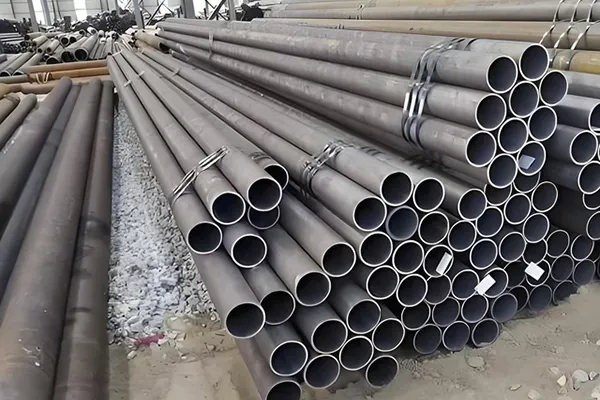
Manage Thermal Expansion and Thermal Cycling
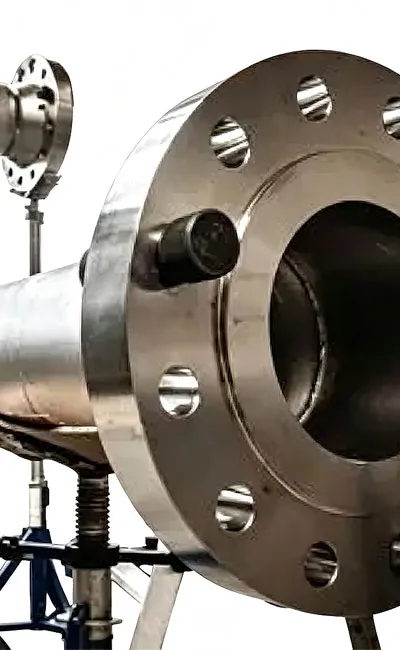
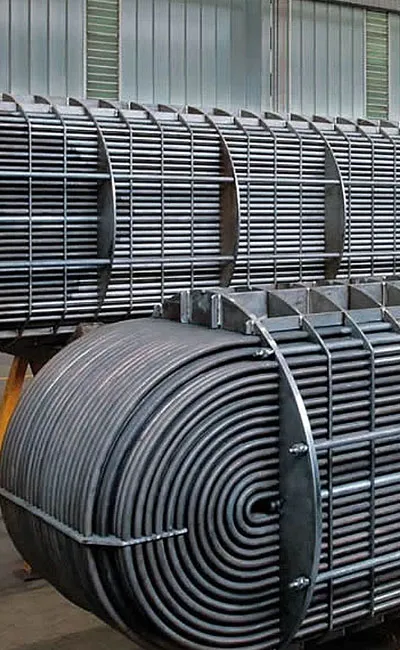
Boiler and refinery piping may experience repeated heating and cooling during startup, shutdown and changes in operating conditions. Thermal expansion and contraction can create additional stress when supports, restraints or expansion arrangements do not function as intended. Repeated thermal cycling may therefore contribute to cracking, distortion or leakage in vulnerable locations. If abnormal movement or repeated damage is observed, the surrounding piping system should be reviewed. Pipe alignment, supports, expansion arrangements and connected components may all require examination.
Service problems do not always originate in the straight pipe section. Welded joints, elbows, branches, fittings, supports and other connections can experience different stress or temperature conditions from the main pipe. These areas should be included in the inspection plan according to the applicable code, project specification and service conditions. For process piping in refineries and similar facilities, ASME B31.3 addresses materials, design, fabrication, assembly, examination, inspection and testing. Visible cracking, leakage, distortion or unusual surface conditions should be investigated rather than treated as isolated cosmetic issues.
Maintain Material Traceability
Material identification remains important throughout the operating life of an industrial piping system. Heat numbers, material certificates and inspection records can help maintenance teams identify the original material when a pipe section requires repair or replacement. This is particularly important for alloy steel pipe because different grades can have different chemical compositions, mechanical properties and high-temperature characteristics. Replacement material should be selected against the original design and applicable specification, not simply by matching nominal pipe size.
Plan Replacement Before Failure
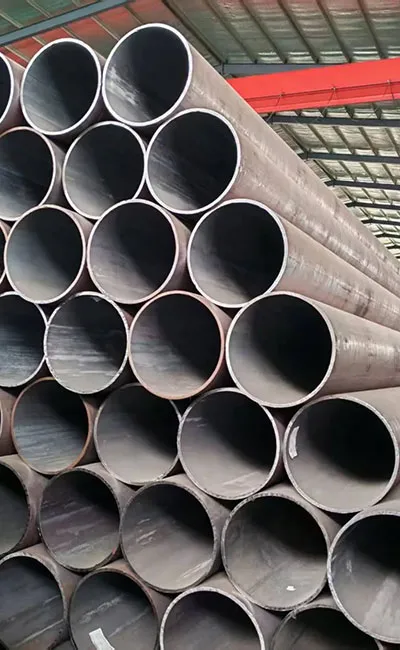
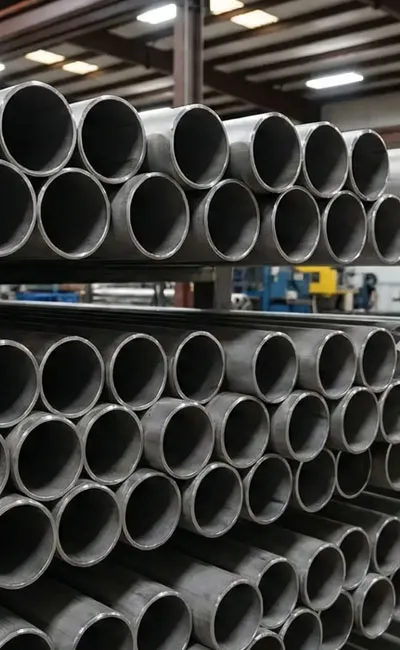
For critical boiler and refinery systems, planned replacement can reduce the risk of unplanned shutdowns. Common specifications may be considered for spare-material planning, while project-specific alloy grades, wall thicknesses and dimensions may require advance procurement. A replacement plan should consider:
-
Material grade and applicable standard
-
Pipe dimensions and quantity
-
Inspection requirements
-
Material certificates and traceability
-
Production lead time
-
Inspection requirements
-
Transportation time
Hunan Great Steel Pipe supports alloy steel pipe supply for industrial projects and maintenance requirements, including specification review, inspection coordination, material verification and export documentation.
Use a Risk-Based Inspection Approach
There is no single inspection interval that applies to every alloy steel pipe system. Inspection planning should consider operating temperature, pressure, process medium, previous inspection results, observed deterioration and the consequences of failure. A practical approach is to establish a baseline condition, identify areas with higher exposure or damage potential, monitor changes over time and adjust inspection priorities when operating conditions change. This provides a more useful basis for long-term maintenance than relying only on a fixed inspection schedule.
FAQ
Q1: How can alloy steel pipe service life be extended?
A1: Maintain operating conditions within design requirements, control thermal cycling, monitor wall thickness, inspect critical areas and replace deteriorated sections according to engineering requirements.
Q2: Why is wall-thickness monitoring important?
A2: It helps identify material loss and changes in remaining wall thickness before the pipe reaches an unacceptable condition.
Q3: Can alloy steel pipe operate indefinitely at high temperature?
A3: No. High-temperature performance depends on the specific alloy grade, design conditions, service environment and applicable specification. Long-term exposure can still cause material degradation.
Q4: How often should alloy steel pipe be inspected?
A4: There is no universal inspection interval. Frequency should be established according to service conditions, potential damage mechanisms, previous inspection results and applicable project or regulatory requirements.
Q5: Why should material records be retained?
A5: Heat numbers, material certificates and inspection records help identify the correct material during maintenance, repair and replacement.
Conclusion
Extending alloy steel pipe service life is not simply a matter of choosing a stronger material. Reliable performance depends on controlling operating conditions, understanding potential damage mechanisms, monitoring critical areas and maintaining accurate material and inspection records. For boiler and refinery systems, combining appropriate material selection with risk-based inspection and planned maintenance provides a practical basis for managing long-term piping performance.










 English
 Español
 русский язык
 Português