Price List

Hunan Great Steel Pipe Co., Ltd
erw steel pipe,tubing pipe,3pe coated steel pipe

Basic requirements for anti-corrosive construction of welded steel pipes

Date: 2020-01-03
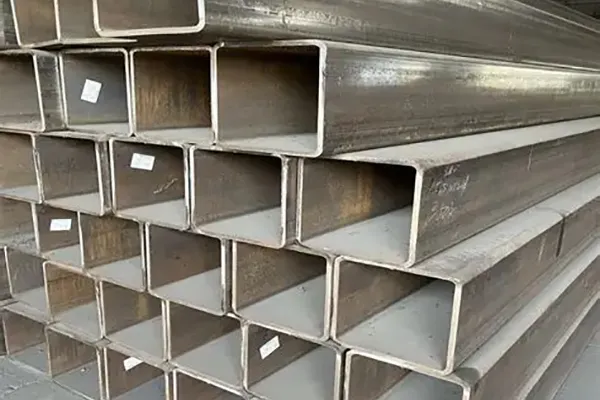
Basic requirements for anti-corrosive construction of welded steel pipes 1. The processed components and finished products shall not be disposed of externally until they are accepted by experience. 2. The burrs on the outer surface of the welded steel pipe, welding skin, welding knobs, spatters, dust and scale, etc. should be cleaned before removing rust, and loose oxide scale and thick rust layer should be removed at the same time. 3. If there is oil and grease on the surface of welded steel pipe, it should be cleaned before rust removal. If there are oil stains and grease on only a part of the area, partial disposal methods are usually optional; if there are large areas or all areas, you can choose a solvent or hot alkali for cleaning. 4. When there are acids, alkalis, and salts on the surface of the welded steel pipe, you can choose to wash them off with hot water or steam. However, attention should be paid to the disposal of waste water, which cannot cause environmental pollution. 5. Some newly rolled stainless steel pipes are coated with curing paint in order to avoid rust during short-term storage and transportation. The stainless steel pipes coated with curing paint shall be disposed of according to specific conditions. If the curing paint is a two-component coating cured by a curing agent, and the coating is basically intact, it can be treated with emery cloth, stainless steel tube velvet or light eruption, and the dust can be removed, and then the next step of construction . 6. The coating for curing the primer or usual primer of the outer surface of welded steel pipe is usually determined according to the status of the coating and the next supporting paint. Anything that cannot be used for further coating or affects the adhesion of the next coating should be removed in full. Post time: Jan-03-2020

Latest news list

  • oil casing failure signs,casing integrity problems,annular pressure monitoring,oil well casing damage,casing failure diagnosis,oil casing inspection
    Oil casing provides structural support and helps maintain well integrity throughout drilling and production,When casing or related well barriers deteriorate,the consequences may include leakage,operational interruptions and increased safety risks,However,casing damage is not always visible at the surface,and early warning signs do not necessarily confirm a failure,
  • oil casing quality control,oil casing inspection,oil casing testing,casing pipe quality requirements
    Oil casing quality must be verified against the requirements agreed for the order,including steel grade,dimensions,connections,inspection scope and documentation,Before shipment,buyers need to know not only whether the product has been inspected,but also whether the required tests are complete,the results meet the specified acceptance criteria,and the records correspond to the supplied materials,
  • casing damage during cementing,oil casing cementing,casing running problems,casing connection inspection,well casing integrity
    Casing damage during cementing can complicate well construction,delay subsequent operations and raise concerns about well integrity,Although cementing helps support the casing string and isolate formations,the operation involves mechanical loads,fluid pressure and coordination between drilling and cementing teams,
  • oil casing manufacturing,API casing production process,oil casing quality control,oil casing threading,API casing inspection
    Oil casing is a critical component of an oil or gas well,Installed inside the wellbore,it supports the well structure and provides a barrier that can be cemented in place to isolate formations,Its performance depends on material properties,dimensional accuracy,connection integrity and compliance with the applicable product specification,For drilling contractors,project engineers and procurement teams,understanding the oil casing manufacturing process helps clarify which production stages and inspection records matter when evaluating a supplier,
  • hollow section inspection,hollow section maintenance,hollow section corrosion,steel structure maintenance
    Steel hollow sections are widely used in buildings,industrial facilities,canopies and other structural applications,Once installed,their condition can change due to weather exposure,coating damage,impact,water accumulation or changes in service conditions,

Find what you need ?

close
We use cookies and other tracking technologies to improve your browsing experience on our website, to show you personalized content and targeted ads, to analyze our website traffic, and to understand where our visitors are coming from.