Carbon Steel Weldability
Date: 2023-02-17
Carbon Steel Weldability
Welding means for welding materials under defined conditions for the construction of a member according to the design requirements, and the ability to meet the requirements of the predetermined service. By welding materials, welding, component type and use requirements affecting four factors.
Low carbon steel welding
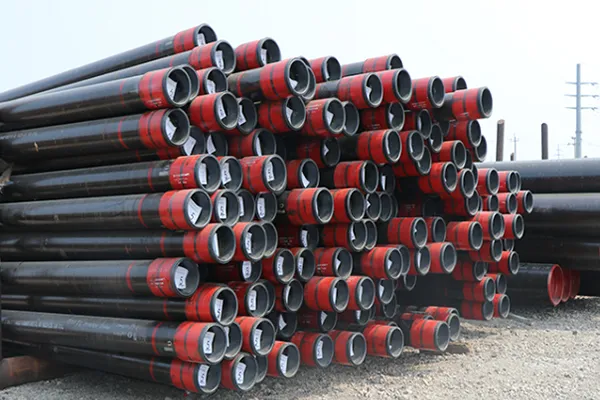
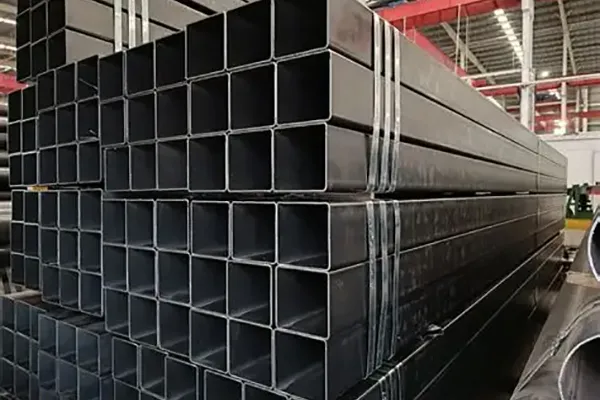
Due to the carbon content of low-carbon steel (eg: carbon steel pipe), manganese, silicon content is less, so usually will not have serious welding quench hardened tissue or tissue. Low carbon steel weld joints plasticity and impact toughness is good, welding, generally without preheating, controlling the temperature and the heat between layers, using post-weld heat treatment do not improve the organization, the whole process need not take special welding process measures, weldability.
Medium carbon steel welding
Carbon mass fraction of 0.25% ~ 0.60% for medium carbon steel. When the mass fraction of carbon and manganese content of nearly 0.25% is not high, good weldability. With the increase of carbon content, weldability gradually deteriorated. If the carbon content is about 0.45%, while based upon the welding mild steel welding process used when in the heat affected zone may produce brittle martensite, easy to crack, that the formation of cold cracking. When welding, the amount of the base material is melted into the weld, the weld so that the carbon content increased, to promote thermal cracking in the weld, particularly when strict control of impurities of sulfur, more likely. This crack is more sensitive in the crater at the distribution of heat in the weld cracking and scaly so wavy lines perpendicular to the weld.
High carbon steel welding
When the high-carbon steel carbon content is greater than 0.60%, hardening, welding crack sensitivity after the tendency is greater and therefore poor weldability, can not be used in the manufacture of welded structures. Need to be more commonly used in the manufacture of hardness or abrasion of parts and components, the welding work is mainly welding repair. Due to the high tensile strength carbon steel mostly in 675MPa or more, so the common electrode model E7015, E6015, can choose E5016, E5015 electrode structure when members ask for much. In addition, we can use chrome-nickel austenitic steel electrodes for welding. Due to the high carbon steel parts in order to obtain high hardness and wear resistance, the material itself is subjected to a heat treatment, welding should be preceded by annealing it to be welded. Should be carried out before welding preheat, the preheat temperature is generally above 250 ~ 350 ℃, the welding process must not be lower than the temperature of the holding layer between the preheating temperature. Weldments after welding required slow cooling heat and immediately into the furnace at 650 ℃ for stress relief heat treatment.
Post time: Feb-17-2023










 English
 Español
 русский язык
 Português












