Casing Pipe Testing
Date: 2021-05-07
Casing Pipe Testing
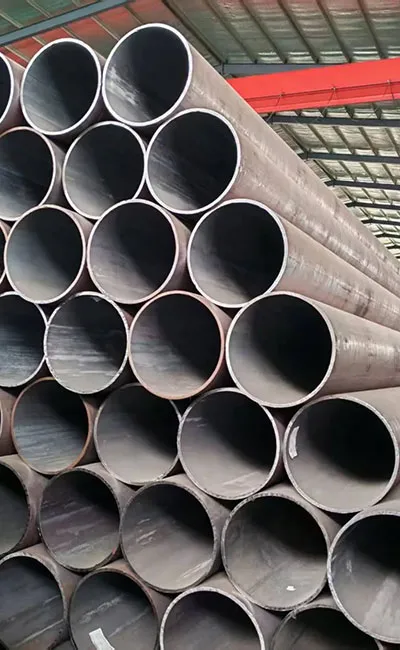
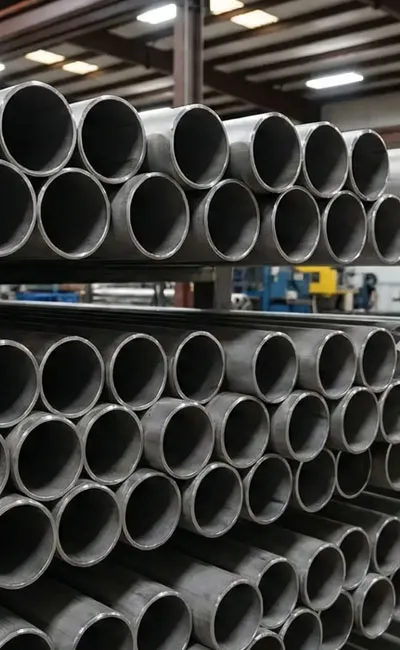
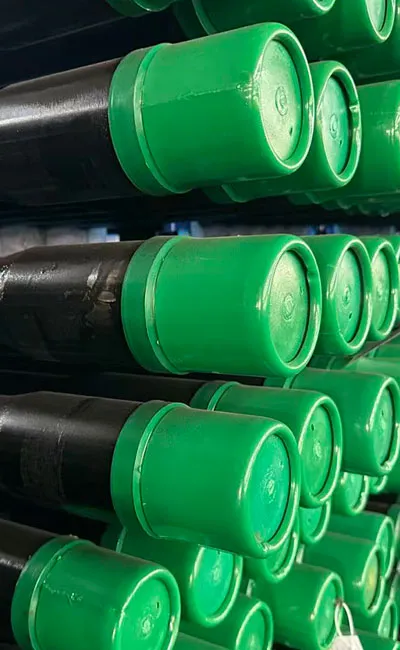
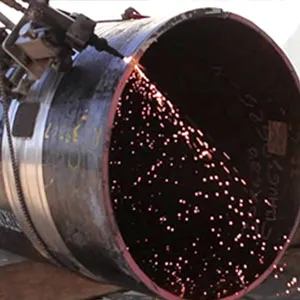
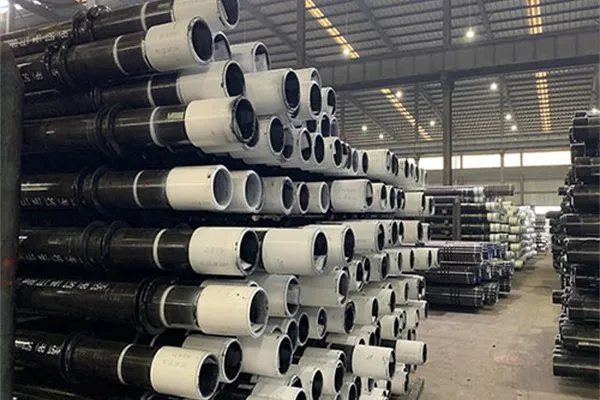
The casing is a high-end product of steel pipe production. There are many types of casings. The casing diameter specifications range from 15 categories to specifications, and the outer diameter range is 114.3-508mm. The steel grades are J55, K55, N80 and L-80. 11 kinds of P-110, C-90, C-95, T-95, etc.; there are many types and requirements of casing end buckle type, and the button type of STC, LC, BC, VAM can be processed. The production and installation process of oil casings involves many tests, mainly including the following:
1, Ultrasonic testing
When the ultrasonic wave propagates in the material to be tested, the acoustic properties of the material and the changes in the internal structure have a certain influence on the propagation of the ultrasonic wave, and the change in the degree and condition of the ultrasonic wave is detected to understand the change in material properties and structure.
2, Radiation detection
Radiation detection uses the difference in the amount of radiation transmitted through the normal part and the defect, resulting in a difference in blackness on the film.
3, Penetration testing
The permeation test utilizes the capillary action of the liquid to infiltrate the permeate into the open defect on the surface of the solid material, and then the infiltrated permeate is sucked out to the surface by the developer to show the presence of defects. Penetration testing is suitable for a variety of metal and ceramic workpieces, and the display time from the infiltration operation to the defect is relatively short, generally about half an hour, can detect surface fatigue, stress corrosion and welding cracks, and can directly measure the crack size.
4, Magnetic particle testing
Magnetic particle detection utilizes magnetic flux leakage at the defect to absorb magnetic powder and form magnetic traces to provide defect display. The surface and subsurface defects can be detected, and the defect properties are easily recognized. The paint and plating surface do not affect the detection sensitivity.
5, Eddy current testing
Eddy current testing mainly uses the eddy current induced by ferromagnetic coils in the workpiece to analyze the internal quality of the workpiece. It can detect various conductive material surface and near surface defects. Usually, the parameter control is difficult, the detection result is difficult to explain, and the detection object is required. It must be a conductive crack and indirectly measure the length of the defect.
6, Magnetic flux leakage detection
The oil leakage detection of casing is based on the high magnetic permeability of ferromagnetic materials. The quality of in-service casings is detected by measuring the change of magnetic permeability caused by defects in ferromagnetic materials.
7, Magnetic memory detection
Magnetic memory detection is derived from the relationship between the physical nature of metal magnetic phenomena and dislocation processes. It has many advantages such as high efficiency, low cost, no need for polishing, and has important and broad application prospects in industry.
Post time: May-07-2021










 English
 Español
 русский язык
 Português