Price List

Hunan Great Steel Pipe Co., Ltd
304 stainless steel pipe,hot dipped galvanized pipe,coated pipe

What is the delivery condition of 12Cr1MoVG high-pressure alloy steel pipe

Date: 2026-01-16
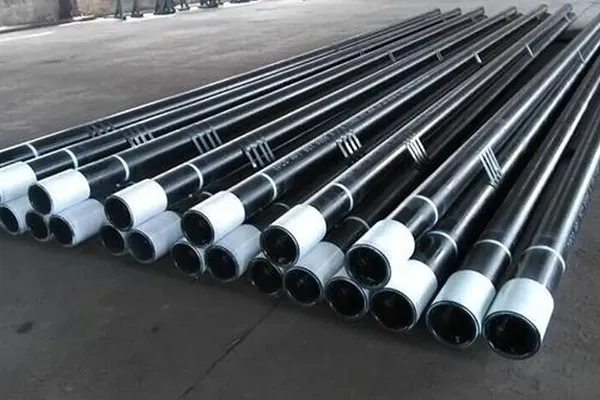
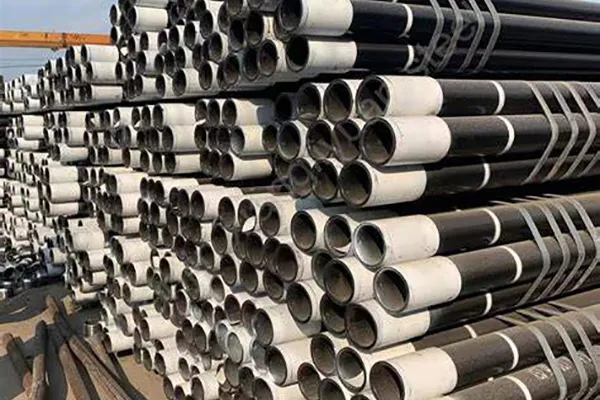
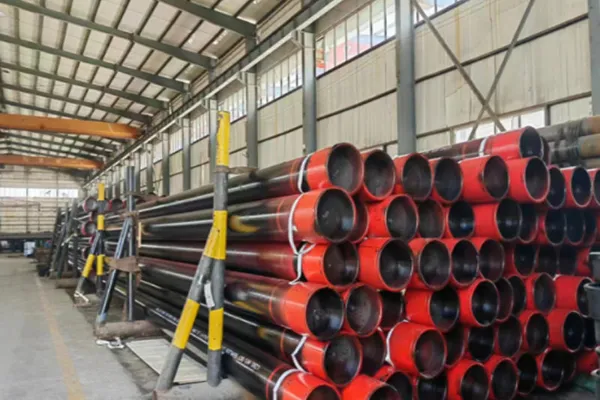
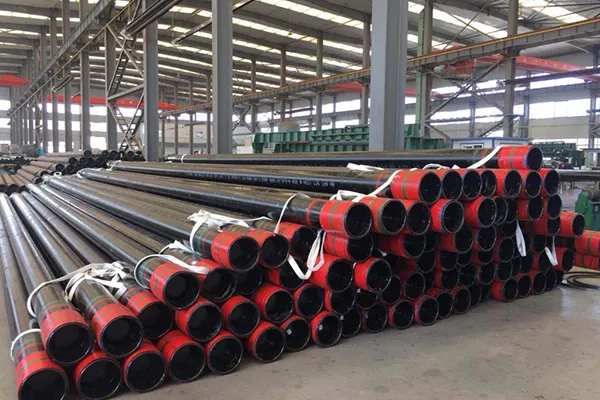
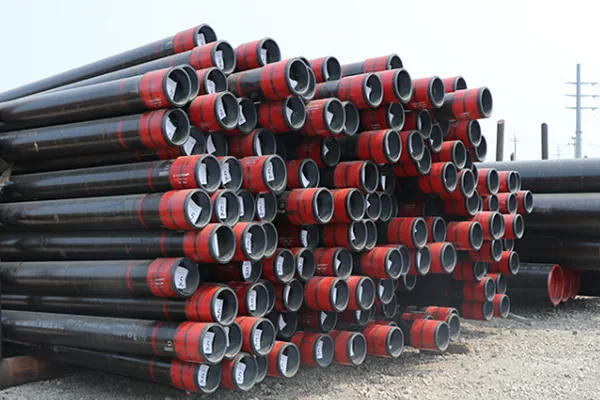
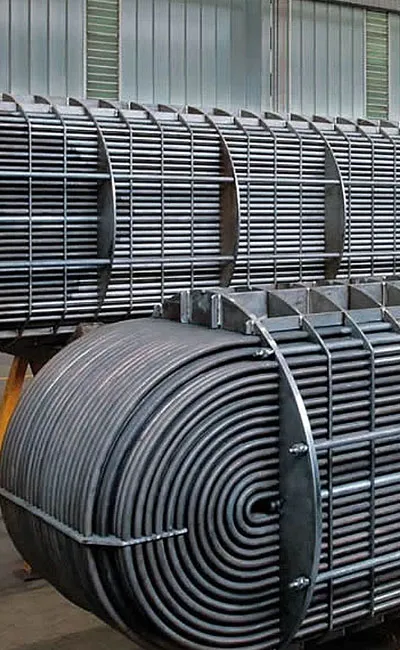
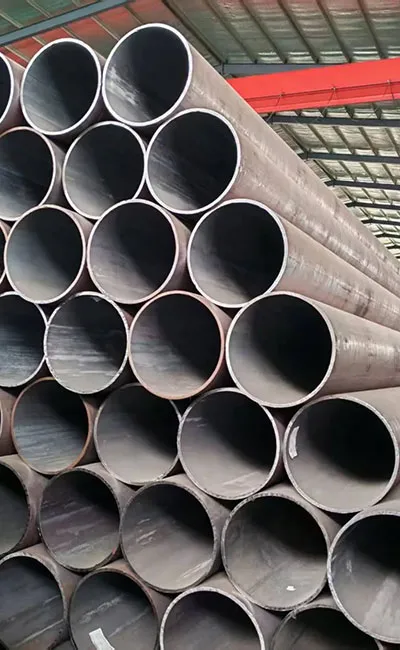
What is the delivery condition of 12Cr1MoVG high-pressure alloy steel pipe The following is a summary of key information regarding the delivery condition of 12Cr1MoVG high-pressure alloy steel pipe: 1. What is the standard for 12Cr1MoVG high-pressure alloy steel pipe? GB/T 5310-2017 “Seamless Steel Tubes for High-Pressure Boilers”: This standard clearly specifies the delivery condition, technical requirements, and inspection rules for 12Cr1MoVG steel pipe. 2. What is the definition of the delivery condition of 12Cr1MoVG high-pressure alloy steel pipe? 12Cr1MoVG steel pipe is usually delivered in the normalized + tempered (quenched and tempered) condition. Specific requirements are as follows: 1) Heat treatment process: Normalizing: Heating to 900~950℃, holding, and then air cooling to refine the grain size. Tempering: Heating to 700~750℃, holding, and then air cooling to eliminate internal stress and improve toughness. 2) Surface condition: Pickling: Pickling the inner wall to remove oxide scale and ensure cleanliness. 3) Oiling: Apply anti-rust oil to the outer surface to prevent corrosion during transportation and storage. 4) Pipe End Treatment: Machining to remove burrs from the ends for easy welding or connection. 3. What are the mechanical properties of 12Cr1MoVG high-pressure alloy steel pipe? Tensile Strength (UTS): ≥520 MPa Yield Strength (YS): ≥310 MPa Elongation (EL): ≥22% Impact Toughness (KV₂): ≥47 J (20℃) 4. What are the inspection requirements for 12Cr1MoVG high-pressure alloy steel pipe? Non-destructive Testing: Ultrasonic testing (UT) is performed according to GB/T 5777 to ensure no delamination, cracks, or other defects. Hydraulic Pressure Test: The test pressure is usually 1.5 times the nominal pressure, maintained for 10 seconds without leakage. Dimensional Tolerances: Outer diameter (OD) and wall thickness (WT) must conform to GB/T 17395 or as agreed upon by the supplier and the buyer. 5. What are the application scenarios for 12Cr1MoVG high-pressure alloy steel pipes? Supercritical/subcritical boiler water-cooled walls, high-temperature steam pipelines, heat exchanger tube bundles (design temperature ≤580℃) 6. What are the precautions for 12Cr1MoVG high-pressure alloy steel pipes? Standard Update: GB/T 5310 has been updated to the 2017 version; the requirements of the new version need to be confirmed. Special Requirements: If fixed lengths, threading, etc., are required, they must be specified in the contract. Alternative Materials: If an internationally equivalent grade is required, compare with ASME SA-335 P11 (similar chemical composition). Post time: Jan-16-2026

Latest news list

  • LSAW steel pipe for water transmission,LSAW water pipe,large diameter LSAW steel pipe,LSAW steel pipe coating
    Large-diameter LSAW steel pipe is widely used for water transmission projects where high flow capacity,large diameters and project-specific wall thicknesses are required,Its longitudinal welded construction also allows manufacturers to produce pipe to defined dimensions and mechanical requirements,But selecting the right LSAW pipe is only one part of pipeline reliability,Hydraulic conditions,pressure transients,internal water quality,corrosion protection,field welding and installation all affect long-term performance,
  • LSAW steel pipe buying guide,LSAW steel pipe procurement,buy LSAW steel pipe,LSAW pipe supplier,LSAW pipe inspection
    Buying large-diameter LSAW steel pipe for an international project involves more than comparing supplier quotations,A pipe can meet the required dimensions and still create project risk if the material specification,inspection scope,documentation,coating or delivery plan is not properly defined,For EPC contractors,project owners,distributors and engineering companies,a better approach is to compare suppliers against the same technical and commercial requirements,
  • LSAW steel pipe problems,LSAW steel pipe troubleshooting,LSAW pipe maintenance,LSAW pipe inspection
    When an LSAW steel pipeline develops a problem,replacing the pipe immediately is rarely the best first step,The priority is to determine what changed,where the damage occurred and why it happened,LSAW (Longitudinal Submerged Arc Welding) pipe is widely used in large-diameter pipeline systems,During service,however,pipeline problems can result from corrosion,coating failure,external loading,operating conditions,connection problems or weld-related issues,A structured troubleshooting process helps maintenance teams distinguish between a local defect and a broader integrity problem,
  • how to choose LSAW steel pipe,LSAW pipe buying guide,LSAW pipe selection,LSAW steel pipe procurement
    Choosing LSAW steel pipe should start with the pipeline's engineering requirements,not with the lowest price per ton,The right pipe needs to match the operating conditions,applicable standard,steel grade,dimensions,welding requirements,inspection scope and delivery conditions of the project,LSAW (Longitudinal Submerged Arc Welding) pipe is widely used for large-diameter pipeline applications,including oil and gas transmission,water infrastructure and other industrial systems,However,selecting the correct product requires more than specifying “LSAW pipe” on an RFQ,
  • LSAW steel pipe quality control,LSAW pipe inspection,LSAW NDT,LSAW hydrostatic test,LSAW pipe quality
    For large-diameter LSAW steel pipe,quality control is more than checking the appearance of the finished pipe,A reliable inspection system must verify material identity,weld integrity,mechanical performance,dimensional accuracy and pressure resistance,For project buyers,this matters because a pipe can look acceptable externally while still failing to meet a required technical specification,

Find what you need ?

close
We use cookies and other tracking technologies to improve your browsing experience on our website, to show you personalized content and targeted ads, to analyze our website traffic, and to understand where our visitors are coming from.