
Stainless steel heat exchanger tubes are the core component of industrial heat exchanger systems, serving in high-pressure, high-temperature, and corrosive working environments for a long time. Strict and standardized quality control is the foundation of stable equipment operation, safe production, and long service life. For industrial buyers and engineering project teams, tube quality inspection standards are one of the most critical evaluation indicators for supplier strength and product reliability.
Different from ordinary steel tubes, heat exchanger tubes require both stable mechanical performance and efficient and lasting heat transfer capacity. Any tiny defect in materials, dimensions, or surface quality will lead to reduced heat exchange efficiency, equipment leakage, or even shutdown maintenance losses in the later stage. Therefore, formal manufacturers implement full-process quality inspection covering raw materials, production process, and finished product testing
Raw material quality determines the fundamental performance of heat exchanger tubes. Before formal production, our quality inspection team strictly verifies all incoming stainless steel raw materials. The key inspection items include chemical composition analysis, mechanical property testing, and official material certification verification. We ensure that the alloy content, tensile strength, hardness, and toughness of raw materials fully comply with international industry standards and customized project specifications, eliminating hidden quality dangers caused by unqualified base materials from the source.
Dimensional consistency is crucial for the installation, sealing, and heat exchange effect of stainless steel heat exchanger tubes. In the continuous production process, we conduct real-time tracking and detection of core dimensional parameters such as outer diameter, wall thickness, tube length, and straightness. Precise dimensional control ensures zero errors in on-site assembly, excellent sealing performance of the overall heat exchange system, and stable and efficient heat transfer efficiency, avoiding heat loss and equipment failure caused by dimensional deviation.
All finished stainless steel heat exchanger tubes must pass multiple professional non-destructive tests and performance tests before leaving the factory. Conventional testing items include hydrostatic testing, eddy current testing, ultrasonic testing, chemical composition re-inspection, and mechanical property verification. Hydrostatic testing verifies the pressure resistance of the tube body to adapt to high-pressure working conditions; eddy current and ultrasonic testing effectively detect internal tiny cracks, pores, and hidden defects that cannot be identified by naked eyes.
Strict Surface Quality Evaluation
The internal and external surface quality of heat exchanger tubes directly affects corrosion resistance and heat transfer efficiency. Our inspectors conduct full inspection on the tube surface to eliminate scratches, cracks, pits, oxidation scale, and other defects. Smooth and clean tube surfaces can effectively resist the erosion of corrosive media, reduce scaling during operation, maintain long-term stable heat transfer performance, and greatly extend the service life of equipment.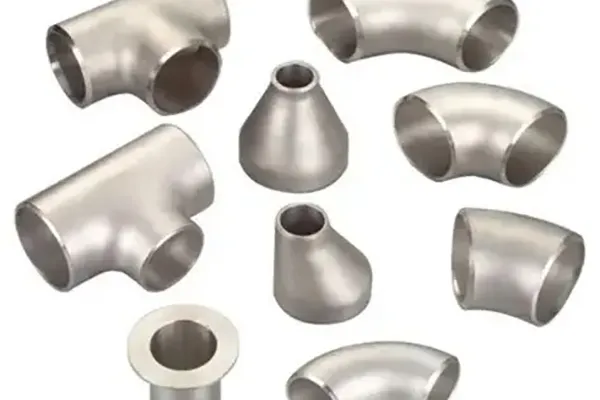








 English
 Español
 русский язык
 Português