What are the advantages of 316L stainless steel pipes
Date: 2025-10-10
What are the advantages of 316L stainless steel pipes
Stainless steel pipes are increasingly common in modern industry and construction, and 316L stainless steel pipes are particularly popular due to their exceptional performance. 316L stainless steel pipe is an austenitic stainless steel containing molybdenum. It not only offers excellent corrosion resistance and high-temperature resistance, but also exhibits unique advantages in many applications.
First, the excellent corrosion resistance of 316L stainless steel pipes.
The most prominent advantage of 316L stainless steel pipes is their excellent corrosion resistance. Due to the 2-3% molybdenum content in its chemical composition, they maintain excellent corrosion resistance in a variety of harsh environments. In particular, 316L stainless steel pipes are effective against chloride attack in marine environments, the chemical industry, and the food processing industry. Furthermore, they exhibit strong corrosion resistance to a variety of organic and inorganic acids, as well as alkaline solutions, extending their service life in highly corrosive environments.
Second, the excellent mechanical properties of 316L stainless steel pipes.
In addition to corrosion resistance, 316L stainless steel pipes also possess excellent mechanical properties. Its high strength and toughness enable it to withstand significant pressure and impact, making it suitable for high-pressure water systems or hot water systems. Furthermore, 316L stainless steel pipe is highly malleable and can be easily processed into various shapes and sizes, facilitating installation. Its high tensile strength and elongation ensure its stability and reliability under complex operating conditions.
Third, the 316L stainless steel pipe has excellent high-temperature performance.
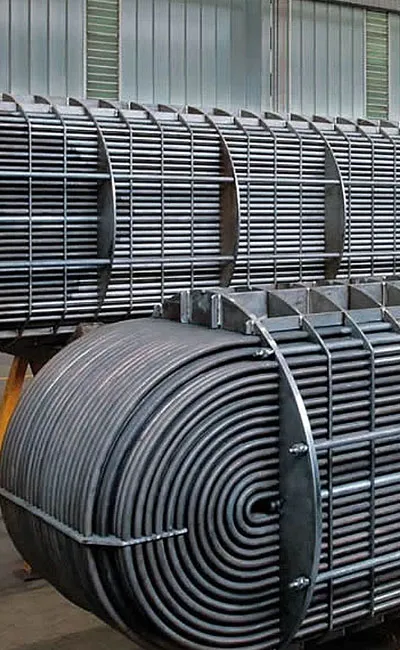
316L stainless steel pipe maintains its excellent physical properties even in high-temperature environments. It can operate continuously at temperatures up to 870°C and exhibits excellent oxidation resistance and creep resistance even at high temperatures. Therefore, 316L stainless steel pipe is widely used in applications requiring high-temperature resistance, such as heat exchangers and furnace components, ensuring long-term, stable operation.
Fourth, 316L stainless steel pipe is hygienic and environmentally friendly. Properties: Hygiene is a crucial consideration in food processing, pharmaceuticals, and drinking water systems. 316L stainless steel pipe’s smooth surface resists fouling and microbial growth, meeting national and international hygiene standards. Furthermore, this material contains no toxic elements, such as lead and cadmium, and is harmless to both humans and the environment. Therefore, 316L stainless steel pipe is widely used in areas closely related to human health, ensuring safety and hygiene during use.
Fifth, the aesthetic and durability of 316L stainless steel pipe.
316L stainless steel pipe not only excels in performance but also offers a beautiful appearance. Its bright, attractive surface, combined with ease of cleaning and maintenance, has led to its widespread use in architectural decoration, furniture manufacturing, and other fields. Whether used as railings in interior decoration or structural support in outdoor landscaping, 316L stainless steel pipe provides long-lasting beauty and practicality.
Sixth, the economic and practical nature of the 316L stainless steel pipe.
Although 316L stainless steel pipe is slightly more expensive than ordinary carbon steel pipe, in the long run, it offers a longer service life and lower maintenance costs, resulting in significant overall economic benefits. Especially in highly corrosive environments, using 316L stainless steel pipe can significantly reduce replacement frequency and lower operating costs. Therefore, from a lifecycle perspective, 316L stainless steel pipe is an economical and cost-effective choice.
Seventh, the wide range of applications for 316L stainless steel pipe.
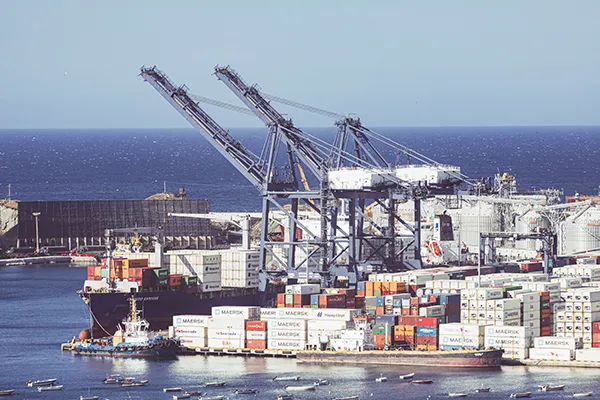
Due to its excellent overall performance, 316L stainless steel pipe is widely used in various industries, including but not limited to the petrochemical industry, marine engineering, medical equipment, food processing, and pharmaceuticals. In these fields, 316L stainless steel pipe not only meets stringent technical and safety requirements but also provides reliable solutions, contributing to the sustainable development of various industries.
Due to its superior corrosion resistance, excellent mechanical properties, outstanding high-temperature performance, hygienic and environmentally friendly features, as well as its aesthetic, durability, and cost-effectiveness, 316L stainless steel pipe has become an indispensable material in modern industry and construction. With continuous technological advancements and expanding applications, 316L stainless steel pipe will continue to leverage its unique advantages, providing even higher-quality solutions for various industries.
Post time: Oct-10-2025










 English
 Español
 русский язык
 Português