Company News

Hunan Great Steel Pipe Co., Ltd
spiral submerged arc pipe,ERW steel pipe supplier,carbon steel pipe manufacturer

What are the precautions for industrial welded steel pipes

Date: 2024-04-03
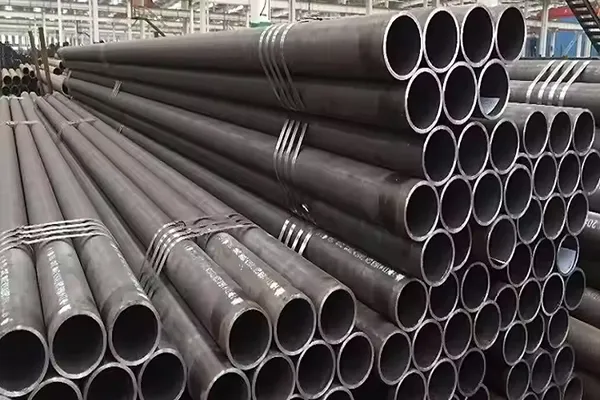
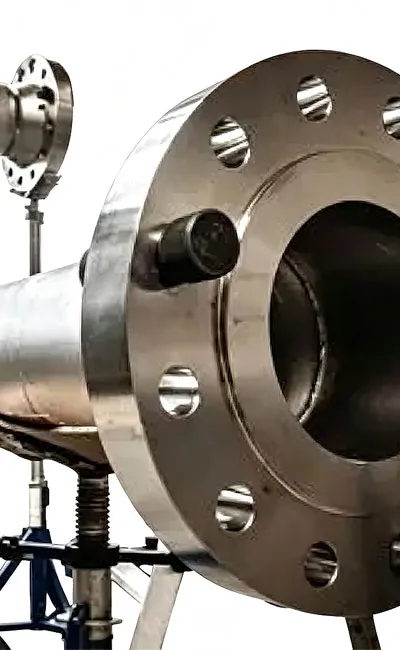
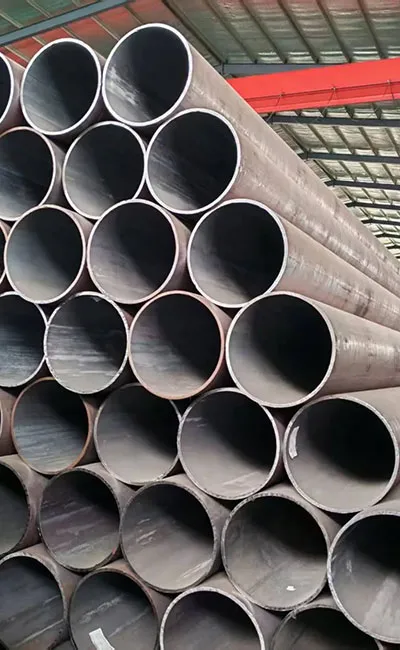
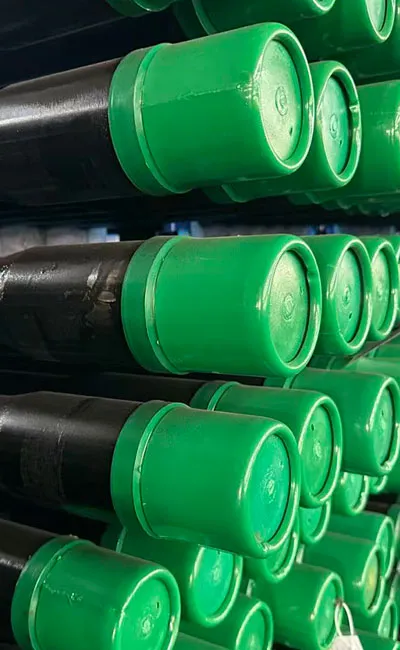
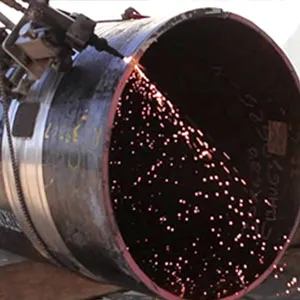
What are the precautions for industrial welded steel pipes When welding steel pipes, you need to pay attention to the following matters: First, clean the surface of the steel pipe. Before welding, make sure the surface of the steel pipe is clean and free of oil, paint, water, rust, and other impurities. These impurities may affect the smooth progress of welding and may even cause safety issues. Tools such as grinding wheels and wire brushes can be used for cleaning. Secondly, the adjustment of the bevel. According to the wall thickness of the steel pipe, adjust the shape and size of the welding groove. If the wall thickness is thicker, the groove can be slightly larger; if the wall thickness is thinner, the groove can be smaller. At the same time, the smoothness and flatness of the groove should be ensured for better welding. Third, choose the appropriate welding method. Choose the appropriate welding method according to the material, specifications, and welding requirements of the steel pipe. For example, for thin plates or pipes of low-carbon steel, gas shielded welding or argon arc welding can be used; for thick plates or steel structures, submerged arc welding or arc welding can be used. Fourth, control the welding parameters. Welding parameters include welding current, voltage, welding speed, etc. These parameters should be adjusted according to the material and thickness of the steel pipe to ensure welding quality and efficiency. Fifth, pay attention to preheating and post-welding treatment. For some high-carbon steel or alloy steel, preheating treatment is required before welding to reduce welding stress and prevent the occurrence of cracks. Post-weld treatment includes weld cooling, welding slag removal, etc. Finally, follow safe operating procedures. During the welding process, attention should be paid to safe operating procedures, such as wearing protective clothing, gloves, and masks. At the same time, welding equipment should be inspected and maintained regularly to ensure its normal operation. Post time: Apr-03-2024

Latest news list

  • alloy steel pipe buying guide,buy alloy steel pipe,alloy steel pipe supplier,alloy steel pipe export
    Buying alloy steel pipe for an international project involves more than comparing prices per tonne,For EPC contractors,distributors and industrial buyers,procurement needs to connect technical specifications,quality control,inspection,documentation and logistics,A well-defined purchasing process helps reduce specification gaps,inspection delays and delivery problems before the pipe reaches the project site,
  • how to select alloy steel pipe,alloy steel pipe selection,alloy steel pipe buying guide,high temperature alloy steel pipe
    Selecting alloy steel pipe should start with the actual service conditions,not simply with a supplier's product catalog,In boiler,power generation and refinery applications,temperature,pressure,process medium and material properties all affect pipe selection,For example,ASTM A335,A335M-26 covers seamless ferritic alloy-steel pipe for high-temperature service,The standard states that selection depends on design,service conditions,mechanical properties and high-temperature characteristics,For buyers,a structured selection process helps prevent specification gaps before production begins,
  • alloy steel pipe maintenance,alloy steel pipe boiler usage,alloy steel pipe refinery,high temperature pipe maintenance
    Alloy steel pipe is widely used in boiler,power generation and refinery systems where piping is exposed to elevated temperatures,pressure and demanding process conditions,Selecting the correct alloy grade is important,but material selection alone does not determine service life,Long-term performance also depends on operating conditions,thermal exposure,wall thickness,fabrication quality,inspection and maintenance,For example,ASTM A335,A335M-26 covers seamless ferritic alloy-steel pipe for high-temperature service and states that material selection depends on design,service conditions,mechanical properties and high-temperature characteristics,
  • alloy steel pipe quality control,alloy steel pipe inspection,alloy steel pipe mechanical properties
    For alloy steel pipe used in boilers,power plants,refineries and other demanding industrial systems,quality control should cover the complete supply chain from raw material identification to final shipment,A pipe can meet the required outside diameter and wall thickness and still fail to satisfy the project specification if the material grade,heat treatment,mechanical properties or inspection records are incorrect,For buyers,effective quality control means verifying both the physical product and the evidence behind it,
  • alloy steel pipe high temperature,alloy steel pipe applications,alloy steel pipe selection,alloy steel pipe
    High-temperature process piping places demanding requirements on pipe materials,As temperature increases,material strength can change,oxidation can become more significant,and long-term exposure can affect the service condition of the piping system,Alloy steel pipe is commonly selected for applications where elevated-temperature mechanical performance is required,Typical uses include refinery process lines,petrochemical units,boiler and steam systems,power-generation facilities and other industrial piping operating under elevated temperature and pressure,The correct selection,however,depends on the complete service condition rather than temperature alone,

Find what you need ?

close
We use cookies and other tracking technologies to improve your browsing experience on our website, to show you personalized content and targeted ads, to analyze our website traffic, and to understand where our visitors are coming from.