Price List

Hunan Great Steel Pipe Co., Ltd
steel tube provider,coated carbon steel pipe,316 stainless steel pipe

What is the difference between a welded steel pipe and a welded spiral steel pipe

Date: 2024-05-29
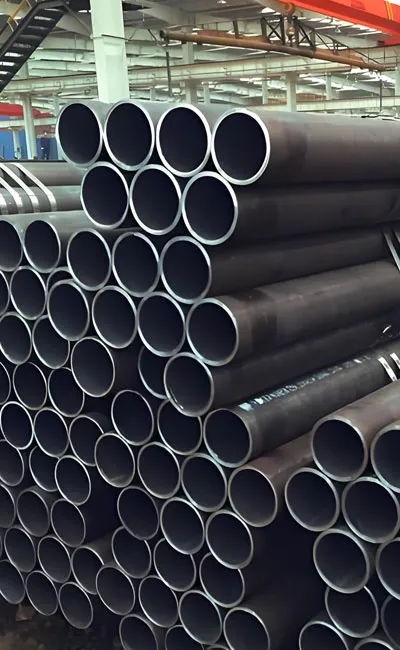
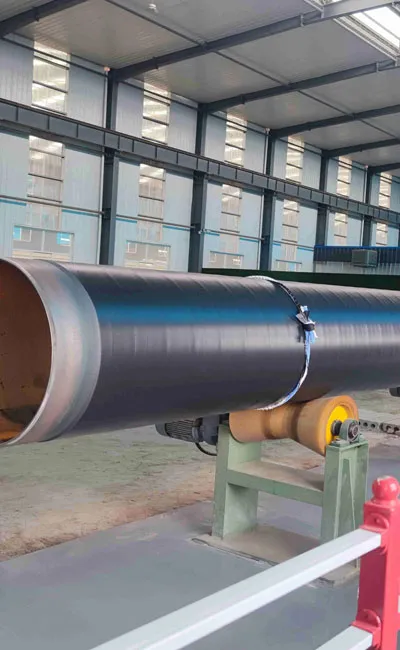
What is the difference between a welded steel pipe and a welded spiral steel pipe Welded steel pipe refers to a steel pipe with seams on the surface that is formed by bending steel strips or steel plates into round, square, and other shapes and then welding them. The billet used for welded steel pipes is steel plate or strip steel. Since the 1930s, with the rapid development of high-quality strip steel continuous rolling production and the advancement of welding and inspection technology, the quality of welds has been continuously improved, the variety and specifications of welded steel pipes have increased, and they have replaced seamless steel pipes in more and more fields. Welded steel pipes have lower costs and higher production efficiency than seamless steel pipes. Steel pipes are divided into seamless and welded pipes. Welded pipes are divided into straight seam steel pipes and spiral steel pipes. Straight seam welded pipes are divided into ERW steel pipe (high-frequency resistance welding) and LSAW steel pipe (straight seam submerged arc welding). The welding process of spiral pipes is also the difference between submerged arc welding (SSAW steel pipe for short) and LSAW steel pipe in the form of welds, and the difference with ERW is the difference in the welding process. Submerged arc welding (SAW steel pipe) requires the addition of medium (welding wire, flux), but ERW does not require it. ERW is melted by medium-frequency heating. Steel pipes can be divided into two categories according to the production method: seamless steel pipes and welded steel pipes. Seamless steel pipes can be divided into hot-rolled seamless pipes, cold-drawn pipes, precision steel pipes, hot-expanded pipes, cold-spun pipes, and extruded pipes according to the production method. Seamless steel pipes are made of high-quality carbon steel or alloy steel and are divided into hot-rolled and cold-rolled (drawn). The production process of straight seam welded pipes is simple, with high production efficiency, low cost, and rapid development. The strength of spiral welded pipes is generally higher than that of straight seam welded pipes. Narrower billets can be used to produce welded pipes with larger diameters, and billets of the same width can also be used to produce welded pipes with different diameters. However, compared with straight seam pipes of the same length, the weld length increases by 30~100%, and the production speed is lower. Therefore, smaller-diameter welded pipes are mostly welded by straight seam welding, while large diameter welded pipes are mostly welded by spiral welding. Post time: May-29-2024

Latest news list

  • KIOGE 2026 exhibition supplier,Central Asia oil and gas pipeline supplier,Kazakhstan steel pipe
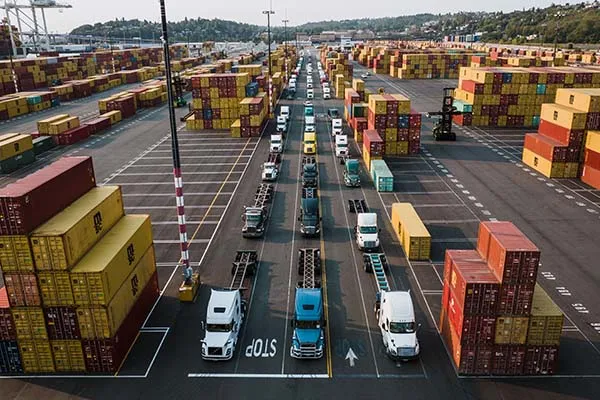
    Global maritime shipping instability and rising freight costs have greatly affected international steel trade in recent years,Many overseas orders are delayed or blocked due to complex logistics and regional uncertainties,To avoid market risks and create stable supply channels for global clients,we have adjusted our global trade strategy,We build overseas warehouse networks and set up a professional international procurement team to support steady order delivery,Focusing on long-term and stable development,we are actively following the Belt and Road Initiative and shifting our focus to Central Asian markets,These inland markets are less affected by sea shipping risks and have huge potential in energy and infrastructure construction,After long-term market cultivation,we have accumulated stable local client resources and rich project service experience in Central Asia,
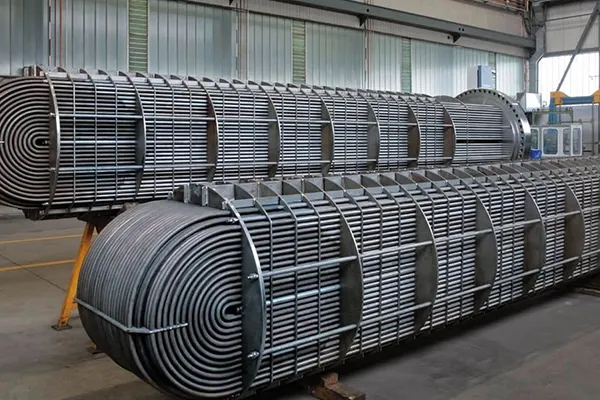
  • stainless steel heat exchanger tube,heat exchanger tube selection,304 vs 316 stainless steel tube,corrosion-resistant heat exchanger tube,stainless steel tube for heat exchanger
    Stainless steel heat exchanger tubes are widely used in petrochemical plants,power stations,food processing facilities,pharmaceutical manufacturing,marine engineering,and HVAC systems,Selecting the right tube is essential for ensuring efficient heat transfer,corrosion resistance,and long-term operational reliability,Because operating conditions vary significantly between industries,tube selection should be based on application requirements rather than cost alone,
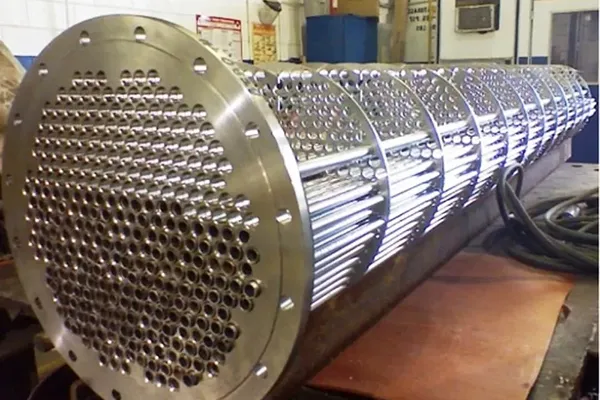
  • stainless steel heat exchanger tube,stainless steel heat exchanger tube maintenance,heat exchanger tube cleaning,heat exchanger tube inspection
    Stainless steel heat exchanger tubes are widely used in power generation,petrochemical processing,food manufacturing,pharmaceuticals,marine engineering,and HVAC systems,Known for their excellent corrosion resistance and heat transfer efficiency,these tubes can provide decades of reliable service when properly operated and maintained,Regular inspection,cleaning,and preventive maintenance are essential for maximizing performance,reducing downtime,and extending the service life of stainless steel heat exchanger tubes,
  • heat exchanger tube production,heat exchanger tube production,heat exchanger tube welding,stainless steel tube heat treatment,stainless steel heat exchanger tube
    The quality of stainless steel heat exchanger tube manufacturing directly affects heat transfer efficiency,corrosion resistance,mechanical strength,and service life,
  • Central Asia steel market 2026,steel prices Kazakhstan,Uzbekistan steel demand,China steel exports Central Asia,Central Asia steel outlook
    Steel prices are climbing across Central Asia,Almaty's rebar price hit 328,000 tenge per ton in early June,driven by currency swings and steady demand,Suppliers should be watching this market closely – it's changing fast,

Find what you need ?

close
We use cookies and other tracking technologies to improve your browsing experience on our website, to show you personalized content and targeted ads, to analyze our website traffic, and to understand where our visitors are coming from.