The quality of
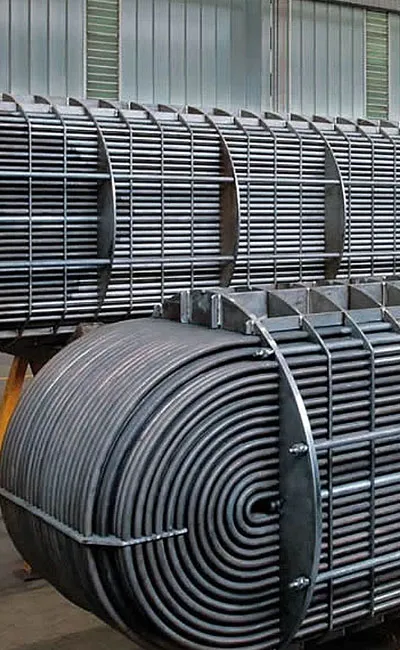
stainless steel heat exchanger tube manufacturing directly affects heat transfer efficiency, corrosion resistance, mechanical strength, and service life. In industries such as petrochemical processing, power generation, marine engineering, food processing, and pharmaceuticals,
heat exchanger tubes must withstand high temperatures, pressure, and corrosive environments. Achieving reliable performance depends on strict control of several key production processes.
Precise Control of Tube Dimensions
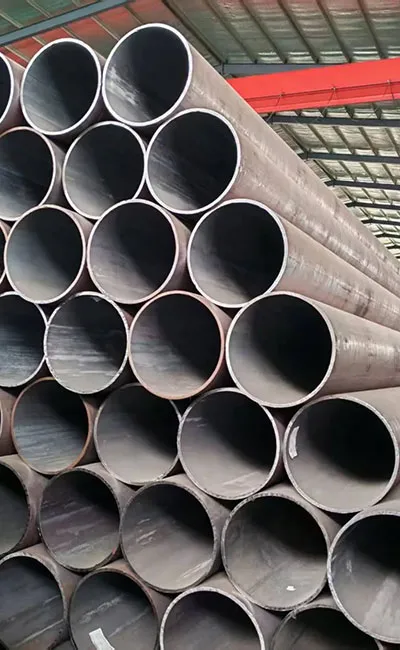
Dimensional accuracy is essential for both heat transfer performance and structural reliability. Key parameters include outer diameter, wall thickness, and tube straightness. Precision cold rolling and forming technologies ensure tight tolerances and uniform wall thickness, helping distribute pressure evenly and reduce stress concentration. Accurate dimensions also ensure proper fit within heat exchanger assemblies, improving thermal efficiency and operational stability.
Material Selection and Surface Treatment
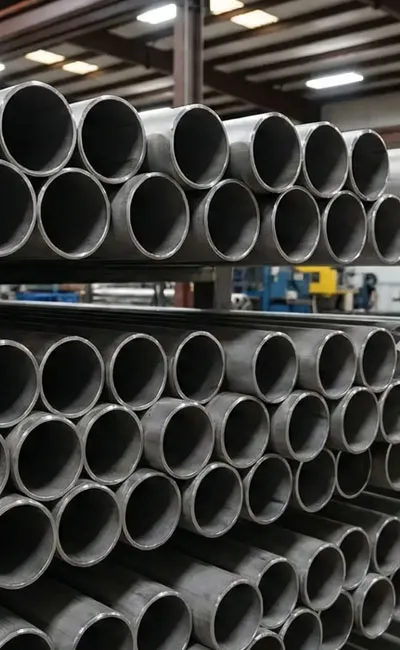
Material selection determines the tube's resistance to corrosion, oxidation, and high-temperature service. Common grades include 304, 316, 321, 347, and duplex stainless steel, each designed for specific operating conditions. Surface treatments such as pickling, passivation, and polishing enhance the protective oxide layer, improve corrosion resistance, and reduce fouling. These processes are particularly important for food, pharmaceutical, and high-purity applications.
Welding Quality Control
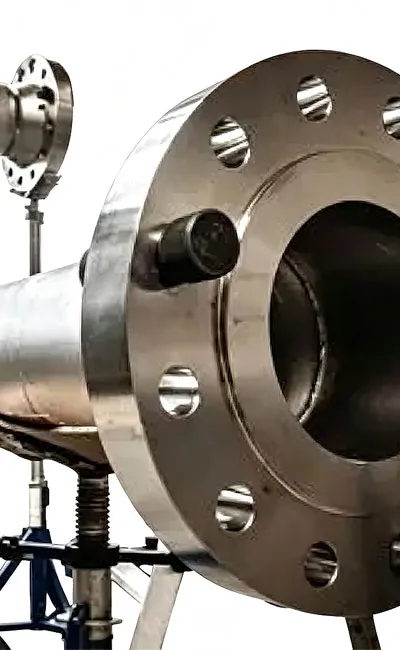
Welding quality has a direct impact on the integrity and lifespan of stainless steel heat exchanger tubes. Defects such as porosity, incomplete fusion, or excessive heat input can weaken the structure and increase the risk of leakage. Automated welding systems, controlled welding parameters, and non-destructive testing help ensure strong, defect-free welds that meet international quality standards and maintain long-term reliability.
Heat Treatment for Long-Term Stability
Cold forming and manufacturing processes can introduce residual stress into stainless steel tubes. Without proper treatment, these stresses may lead to deformation, fatigue cracking, or reduced service life. Stress-relief heat treatment stabilizes the material structure, improves fatigue resistance, and enhances dimensional stability, making the tubes more suitable for demanding operating conditions.
Conclusion
High-quality stainless steel heat exchanger tube manufacturing relies on four critical factors: dimensional accuracy, material optimization, welding quality, and heat treatment. Together, these processes ensure reliable performance, superior corrosion resistance, and extended service life in industrial heat exchanger applications.










 English
 Español
 русский язык
 Português