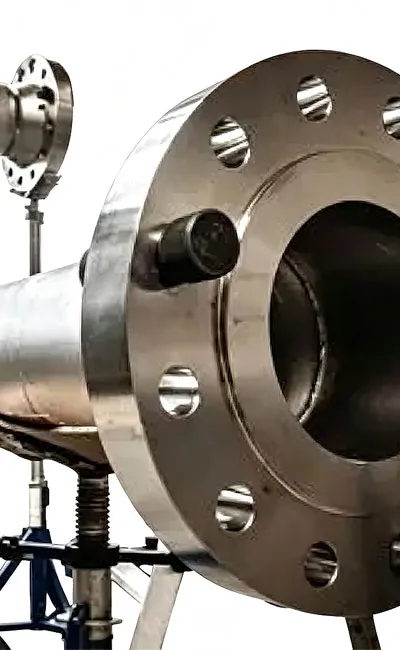
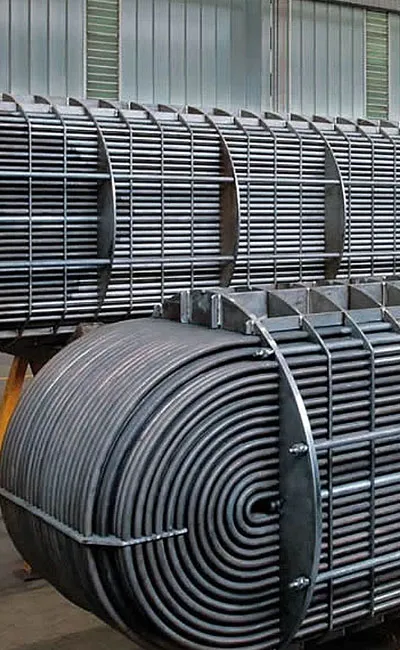
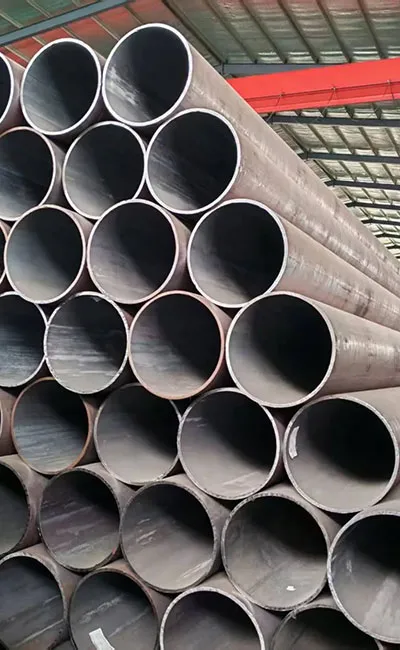
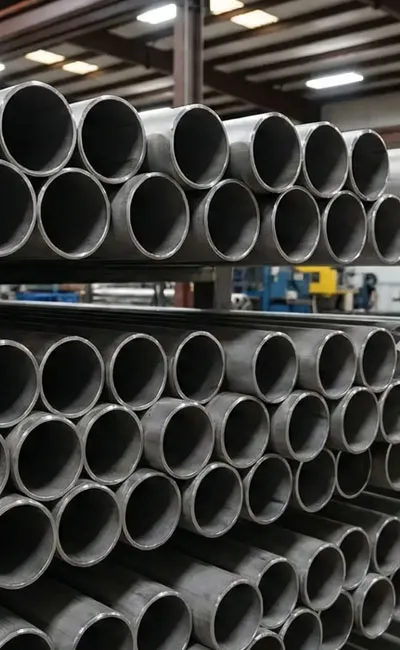
Stainless steel heat exchanger tubes are widely used in power generation, petrochemical, food processing, pharmaceutical, marine, and HVAC applications. Proper maintenance helps maintain efficiency, prevent failures, and extend service life.
Monitor Operating Conditions
Regularly check: Temperature, Pressure, Flow rate, Fluid quality, Heat transfer performance.
Abnormal changes may indicate fouling, blockage, leakage, or tube damage. Stable operating conditions help prevent premature wear.
Clean Tubes Regularly
Scale, residue, biological fouling, and oil deposits can reduce heat transfer efficiency.
Common cleaning methods include:
Mechanical cleaning: using brushes or tube-cleaning tools
Chemical cleaning: using stainless-steel-compatible solutions
Cleaning frequency should be based on operating conditions and fouling levels.
Inspect for Corrosion and Damage
Routine inspections should focus on: Pitting and crevice corrosion, Surface discoloration, Tube deformation, Weld defects, and Leakage.
Early detection reduces repair costs and minimizes downtime.
Prevent Corrosion
To extend tube life:
* Use suitable grades such as 316 or duplex stainless steel
* Limit chloride exposure
* Avoid stagnant fluids
* Maintain proper water treatment
* Operate within design limits
These measures help preserve corrosion resistance and long-term performance.
Establish a Maintenance Plan
An effective maintenance program includes: Routine monitoring, scheduled cleaning, Periodic inspections, and Performance reviews.
Preventive maintenance improves reliability, reduces downtime, and lowers operating costs.
Conclusion
Regular monitoring, cleaning, inspection, and corrosion control are essential for maintaining stainless steel heat exchanger tubes. A preventive maintenance plan helps maximize efficiency, extend service life, and ensure reliable operation.










 English
 Español
 русский язык
 Português