Product News

Hunan Great Steel Pipe Co., Ltd
hydraulic steel pipe,hydraulic tubing,seamless hydraulic tube,hydraulic cylinder tube

What Is a Hydraulic Steel Pipe? A Complete Guide to Types, Materials, Applications, and Selection

Date: 2026-07-27
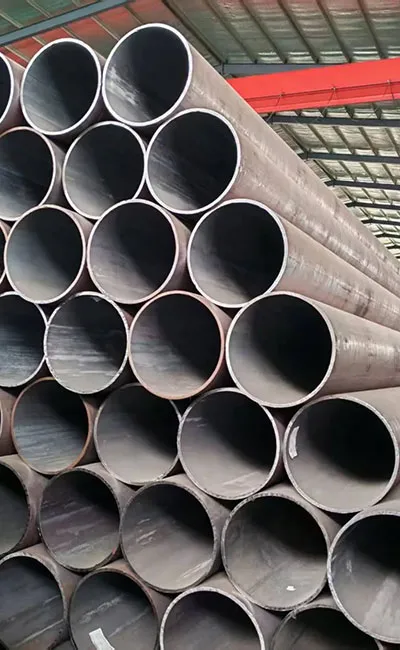
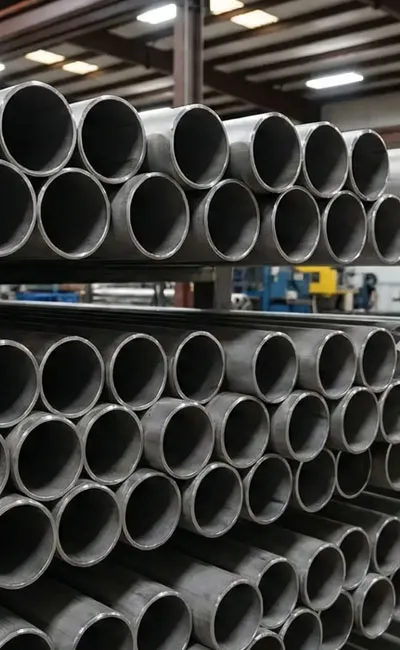
A hydraulic steel pipe is a precision steel tube designed to transport pressurized hydraulic fluid safely and efficiently within hydraulic systems. Compared with ordinary steel pipes, it offers tighter dimensional tolerances, a smoother internal surface, and greater resistance to pressure, vibration, and cyclic loading. Because hydraulic tubing directly influences system efficiency and equipment reliability, selecting the right pipe requires more than matching dimensions. Material grade, manufacturing quality, cleanliness, and pressure capability all play important roles. This guide explains how hydraulic steel pipes are manufactured, where they are used, and what buyers should evaluate before placing an order.

What Is a Hydraulic Steel Pipe?

A hydraulic steel pipe forms the flow path that transfers hydraulic oil between pumps, valves, cylinders, and motors. It must withstand continuous pressure fluctuations while maintaining dimensional stability and a clean internal bore to reduce energy loss and contamination. Compared with standard steel tubing, hydraulic steel pipes typically provide:
  • High pressure resistance
  • Tight dimensional tolerances
  • Smooth internal surface finish
  • Excellent cleanliness
  • Good weldability and formability
  • Long fatigue life under repeated pressure cycles
These characteristics help hydraulic systems operate efficiently while extending the service life of seals, pumps, and cylinders.

How Does a Hydraulic Steel Pipe Work?

In a hydraulic system, pressurized oil transfers power from the pump to the actuator through a closed circuit: Hydraulic Pump → Hydraulic Steel Pipe → Control Valve → Hydraulic Cylinder or Motor
A smooth internal bore minimizes pressure loss and fluid turbulence, allowing hydraulic energy to be transmitted efficiently. Consistent wall thickness and precise dimensions also improve sealing performance and reduce the risk of leakage during long-term operation. From our experience supporting hydraulic equipment manufacturers, maintaining tube cleanliness before assembly is just as important as pressure capability. Even small contaminants left inside the tube can shorten component life and affect overall system reliability.

Common Types of Hydraulic Steel Pipes

Different hydraulic applications require different tube constructions.

Type

Typical Application

Seamless Hydraulic Tube

High-pressure hydraulic systems and heavy machinery

Cold Drawn Precision Tube

Equipment requiring tight dimensional tolerances

Honed Tube

Hydraulic cylinder barrels

Stainless Steel Hydraulic Tube

Marine, food processing, and chemical industries

Welded Precision Tube

Medium-pressure industrial equipment

Seamless tubes are generally preferred for demanding applications because they provide uniform wall thickness and excellent fatigue resistance. Welded precision tubes offer an economical solution for systems operating under moderate pressure, while stainless steel tubes are selected where corrosion resistance is essential.

Materials and Manufacturing Standards

Material selection depends on operating pressure, environmental conditions, and fluid compatibility.

Material

Common Standard

Typical Application

E235

EN 10305-1

General hydraulic systems

E355

EN 10305-1

High-pressure hydraulic equipment

SAE 1026

ASTM A519

Mobile machinery

304 Stainless Steel

ASTM A269

Food and beverage equipment

316L Stainless Steel

ASTM A269

Marine and chemical applications

Carbon steel hydraulic tubes provide excellent strength and cost efficiency for most industrial systems, while stainless steel grades offer superior corrosion resistance where moisture, salt spray, or aggressive chemicals are present. International standards such as EN 10305-1, DIN 2391, and ASTM A519 help ensure consistent mechanical properties, dimensional accuracy, and manufacturing quality.


Where Are Hydraulic Steel Pipes Used?

Hydraulic steel pipes are found in almost every industry that relies on fluid power.


  • Construction machinery — Excavators, cranes, and loaders operate under high pressure and heavy shock loads.
  • Agricultural equipment — Hydraulic systems must withstand dust, moisture, and seasonal temperature changes.
  • Mining machinery — Continuous heavy-duty operation requires excellent fatigue strength and durability.
  • Industrial automation — Precision hydraulic tubing supports accurate motion control and repeatable performance.
  • Marine and offshore equipment — Stainless steel tubing helps resist corrosion caused by saltwater exposure.
  • Hydraulic cylinder manufacturing — Precision tubing ensures reliable sealing and smooth piston movement.
For example, during a general industrial equipment project, a manufacturer upgraded from standard mechanical tubing to EN 10305 precision hydraulic tubing. The improved dimensional consistency reduced assembly adjustments and helped achieve more stable hydraulic performance throughout production.

How to Choose the Right Hydraulic Steel Pipe

Selecting hydraulic tubing should always begin with the actual operating conditions rather than price alone. Consider the following factors:
  • Working pressure and safety requirements
  • Operating temperature
  • Hydraulic fluid compatibility
  • Corrosion exposure
  • Required dimensional tolerance
  • Internal surface finishMaterial certification
  • Supplier quality management
Buyer's Checklist
Before confirming an order, verify that your supplier can provide:
  • EN 10204 3.1 Mill Test Certificate
  • Heat number traceability
  • Dimensional inspection report
  • Surface cleanliness and roughness inspection
  • Pressure or non-destructive testing records when required
  • Export-grade corrosion protection and packaging
Complete documentation not only demonstrates manufacturing capability but also simplifies project acceptance and future traceability.

Common Purchasing Mistakes

Many procurement issues can be avoided by evaluating the complete product instead of focusing only on price. Common mistakes include:
  • Selecting the lowest quotation without reviewing inspection documentation
  • Ignoring operating pressure and environmental conditions
  • Choosing unsuitable material grades
  • Overlooking bore cleanliness and dimensional consistency
  • Purchasing from suppliers without established quality management systems
Considering these factors early can significantly reduce maintenance costs and unexpected downtime.

FAQ

Q1: Is a hydraulic steel pipe the same as a seamless steel pipe?
A1: Not always. Many hydraulic pipes are seamless, but hydraulic tubing is manufactured with tighter tolerances, better surface quality, and stricter cleanliness requirements than ordinary seamless steel pipes.
Q2: Which material is most commonly used?
A2: E355 and SAE 1026 are widely used for carbon steel hydraulic tubing, while 304 and 316L stainless steel are preferred for corrosive environments.
Q3: What is the difference between hydraulic tubing and hydraulic piping?
A3: Hydraulic tubing generally refers to precision-manufactured tubes used in hydraulic power systems, while hydraulic piping is a broader term that may include pipes, fittings, and larger fluid transmission systems.
Q4: Why is internal surface quality important?
A4: A smooth, clean bore reduces pressure loss, minimizes contamination, improves sealing performance, and extends the service life of hydraulic components.

Conclusion

Hydraulic steel pipes are precision-engineered components that directly influence the efficiency, safety, and durability of hydraulic systems. Their performance depends not only on material strength but also on dimensional accuracy, internal cleanliness, manufacturing quality, and proper application. Whether you are sourcing hydraulic tubing for construction equipment, industrial automation, or hydraulic cylinder manufacturing, selecting a supplier with proven production capability, complete material traceability, and comprehensive inspection procedures helps reduce procurement risks and improve long-term system reliability. By evaluating both the product and the manufacturer, buyers can achieve more dependable hydraulic performance and lower lifecycle costs.


Latest news list

  • hydraulic steel pipe manufacturing,hydraulic steel pipe production,hydraulic tubing manufacturing process
    Hydraulic steel pipes are designed to transport pressurized hydraulic fluid safely and efficiently,Unlike ordinary mechanical tubing,they must withstand high operating pressures,repeated pressure cycles,vibration,and demanding working environments while maintaining excellent dimensional accuracy and internal cleanliness,
  • buying honed tubes,honed tube buying guide,honed tube inspection,honed tube,honed tube supplier
    Buying a honed tube is not simply a matter of comparing prices or matching dimensions,In hydraulic cylinder manufacturing,we have found that many premature cylinder failures are caused by selecting tubes that do not match the application's operating conditions or quality requirements,Although two tubes may look almost identical,differences in material quality,bore accuracy,manufacturing consistency,and inspection standards can significantly affect seal life and equipment reliability,
  • honed tube selection,honed tube applications,hydraulic cylinder honed tube,DOM honed tube,honed tube material
    Selecting a honed tube involves far more than matching the inside diameter and length specified on a drawing,In hydraulic cylinder manufacturing,we have found that many premature seal failures are not caused by machining defects but by selecting a tube that does not suit the actual operating environment,Working pressure,temperature,corrosion exposure,load cycles,and equipment type all influence long-term performance,
  • honed tube manufacturing,how are honed tubes made,honed tube production process,precision honed tube,hydraulic cylinder tube
    Honed tubes are precision steel tubes widely used as cylinder barrels in hydraulic and pneumatic systems,Although they look similar to ordinary steel tubes,their internal bore must meet strict requirements for dimensional accuracy,roundness,and surface finish to ensure reliable sealing and smooth piston movement,
  • How to identify honed tube quality,honed tube inspection,precision honed tube,hydraulic cylinder tube
    Selecting a honed tube involves much more than comparing prices,The quality of the internal bore directly influences the sealing performance,friction,efficiency,and service life of hydraulic cylinders,While two tubes may appear identical externally,differences in surface finish,dimensional accuracy,and manufacturing quality can significantly affect equipment reliability,For buyers,evaluating objective quality indicators is the most effective way to reduce procurement risks,This guide outlines seven practical inspection points that help distinguish high-quality honed tubes before placing an order,

Find what you need ?

close
We use cookies and other tracking technologies to improve your browsing experience on our website, to show you personalized content and targeted ads, to analyze our website traffic, and to understand where our visitors are coming from.