Application and Performance Analysis of L390 Seamless Steel Pipes in Energy Projects
Date: 2025-12-26
Application and Performance Analysis of L390 Seamless Steel Pipes in Energy Projects
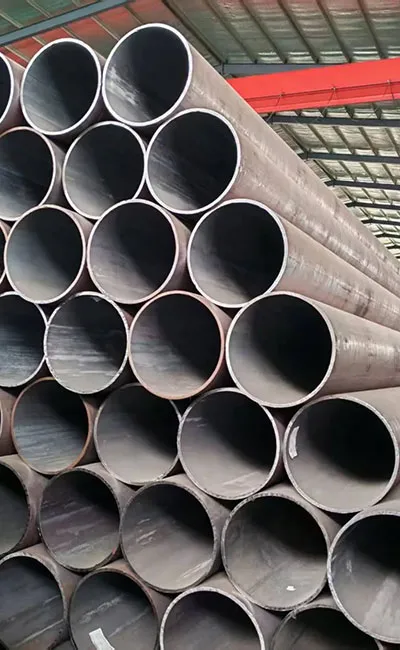
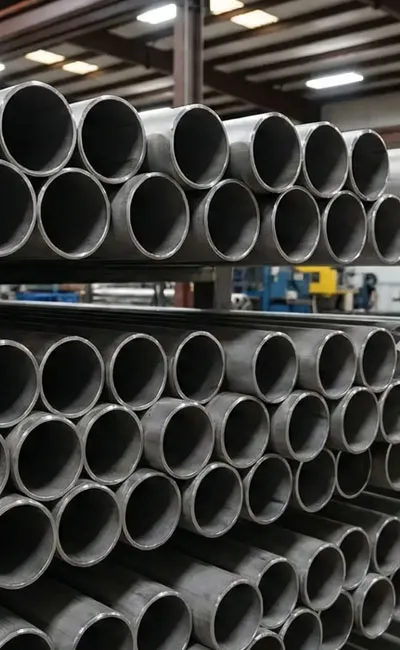
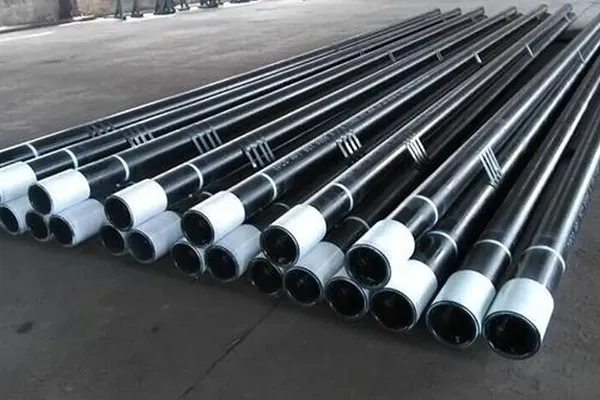
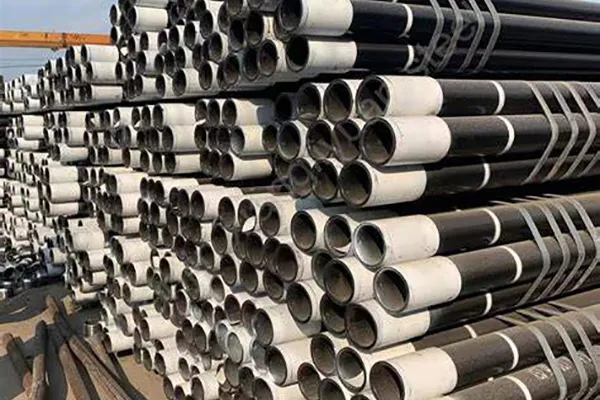
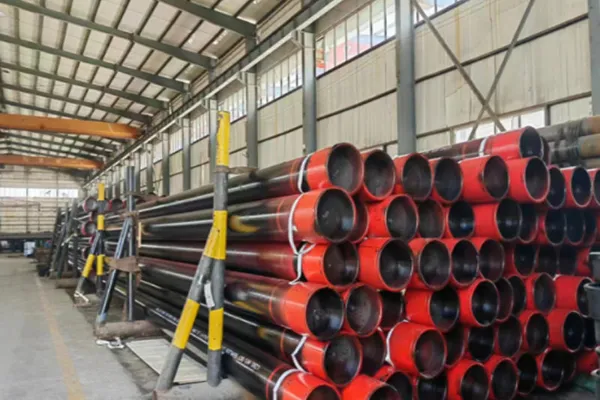
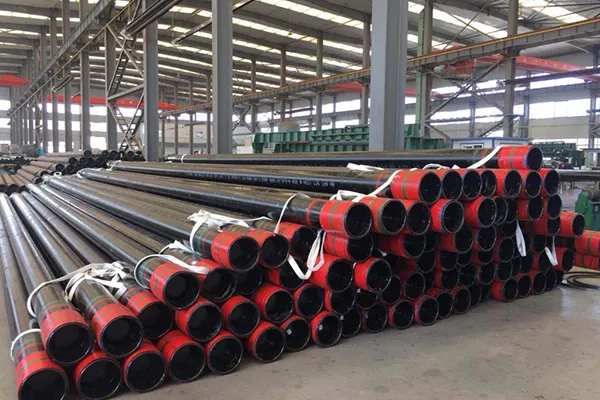
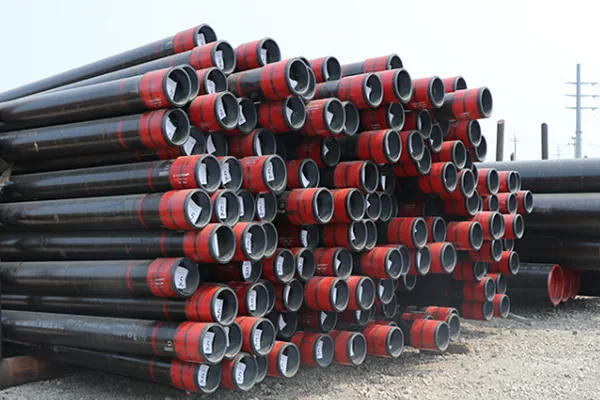
L390 seamless steel pipe is a high-strength seamless steel pipe, also known as X56 steel pipe. It is a steel grade used in oil and gas pipeline transportation systems.
First, Applications of L390 Seamless Steel Pipes
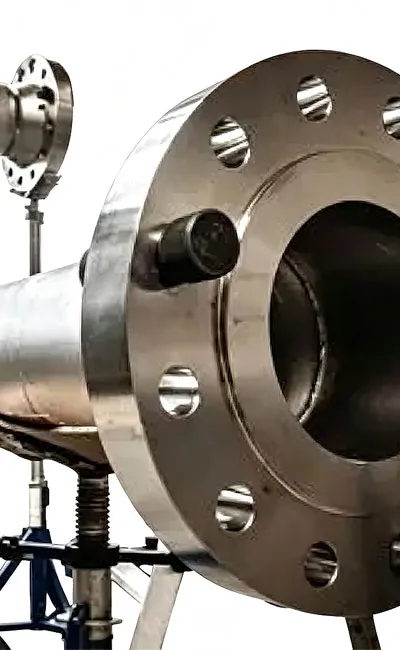
L390 seamless steel pipes are widely used in oil and gas transportation systems, including pipelines, valves, connectors, and other related equipment. It possesses excellent mechanical properties and corrosion resistance, capable of withstanding high pressure, high temperature, and various corrosive media. Furthermore, L390 seamless steel pipes can also be used in construction, shipbuilding, and bridge construction.
Second, Performance of L390 Seamless Steel Pipes
1. Mechanical Properties: L390 seamless steel pipes have a yield strength of 390 MPa, a tensile strength of 490-620 MPa, and an elongation of 18%. These performance indicators are far superior to those of general structural steel pipes, exhibiting better load-bearing capacity and tensile strength. In addition, L390 seamless steel pipes also possess good toughness and impact toughness, maintaining stable performance under complex working conditions.
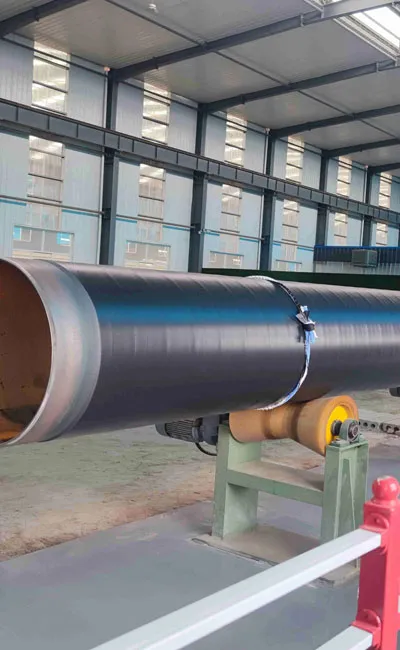
2. Corrosion Resistance: L390 seamless steel pipes utilize advanced corrosion protection technologies, such as an external three-layer polyethylene coating or an internal epoxy resin coating. These protective layers effectively prevent the steel pipes from being corroded by acids, alkalis, salts, and other corrosive media, thus extending their service life. Furthermore, L390 seamless steel pipes also possess good wear resistance, maintaining their original performance even under severe wear.
Third, Materials and Processes of L390 Seamless Steel Pipes.
L390 seamless steel pipes employ advanced seamless pipe manufacturing processes, such as MPM, CPE, and TPE. These processes ensure smooth and clean inner and outer surfaces of the steel pipes while guaranteeing their mechanical properties and dimensional accuracy. In addition, L390 seamless steel pipes use high-quality low-alloy high-strength steels, such as X56, X60, and X65. These steels have good weldability and machinability, meeting complex processing requirements.
In summary, L390 seamless steel pipes are a type of high-strength seamless steel pipe widely used in oil and gas transportation systems. It possesses excellent mechanical properties and corrosion resistance, enabling it to withstand high pressure, high temperature, and various corrosive media. Furthermore, L390 seamless steel pipes utilize advanced seamless pipe manufacturing processes and high-quality low-alloy high-strength steel, meeting complex processing requirements. In the future, L390 seamless steel pipes will continue to play a vital role in oil and gas transportation systems and will also be applied to a wider range of fields.
Post time: Dec-26-2025










 English
 Español
 русский язык
 Português