Changes in the Application Fields of High-Strength Seamless Steel Pipes
Date: 2026-01-04
Changes in the Application Fields of High-Strength Seamless Steel Pipes
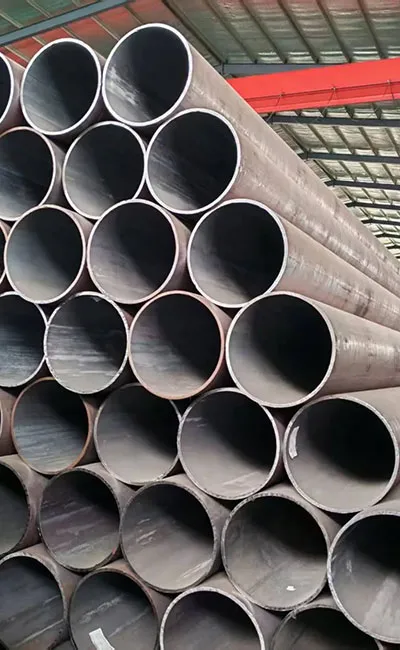
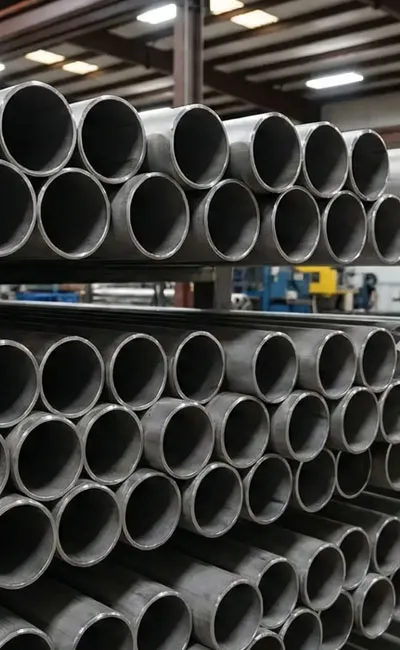
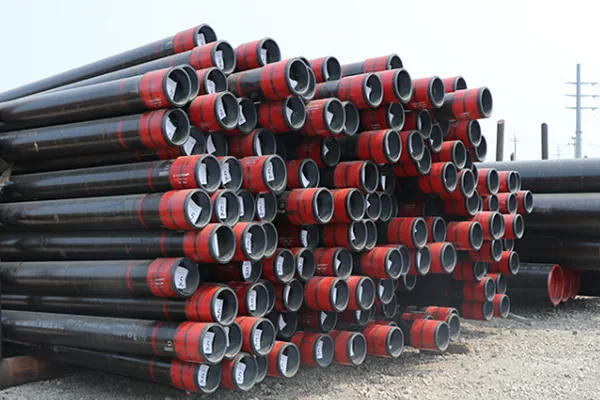
High-strength seamless steel pipes are a type of steel pipe with excellent mechanical properties and a wide range of applications. Seamless steel pipes are made from high-quality alloy steel billets through processes such as piercing, hot rolling, or cold drawing. They possess characteristics such as high strength, corrosion resistance, and high-temperature resistance, playing a vital role in industries such as petroleum, chemical, power, and machinery manufacturing.
From a production process perspective, high-strength seamless steel pipes are mainly divided into two types: hot-rolled and cold-drawn. Hot-rolled seamless steel pipes are made by heating steel billets to a high temperature, piercing them through a piercing mill, and then rolling them through a pipe rolling mill. This process has high production efficiency, is suitable for mass production, and offers a wide range of product specifications. Cold-drawn seamless steel pipes are formed at room temperature using dies, resulting in high surface finish and good dimensional accuracy, but with relatively lower production efficiency. Both processes have their advantages and can be selected according to different application requirements.
In terms of material selection, high-strength seamless steel pipes are typically made from high-quality carbon structural steel, alloy structural steel, or stainless steel. High-strength seamless steel pipes are commonly made from 20# and 45# carbon steel and 16Mn and 27SiMn alloy steel. After appropriate heat treatment, these materials can achieve higher strength and toughness. For example, 16Mn seamless steel pipes, after quenching and tempering, can achieve a tensile strength of over 600MPa, fully meeting the requirements for high-pressure pipelines.
In terms of specifications, the outer diameter of high-strength seamless steel pipes typically ranges from 6 to 630mm, with wall thicknesses varying from 1.5 to 50mm. Small-diameter seamless pipes are mostly used in hydraulic systems, while medium and large-diameter pipes are widely used in transportation pipelines. Thick-walled seamless steel pipes of special specifications can also be used to manufacture key components for high-pressure boilers, nuclear power plant equipment, and other applications.
High-strength seamless steel pipes have significant advantages in performance characteristics. First, they have strong pressure-bearing capacity; due to the absence of welds, they have good overall uniformity and can withstand higher working pressures. Second, they have excellent corrosion resistance, especially products made of stainless steel, which can adapt to various harsh environments. Furthermore, these steel pipes also have good temperature resistance; some alloy steel pipes can operate for extended periods in environments exceeding 500℃. These properties make it the preferred material for oil drilling and production, chemical equipment, and other fields.
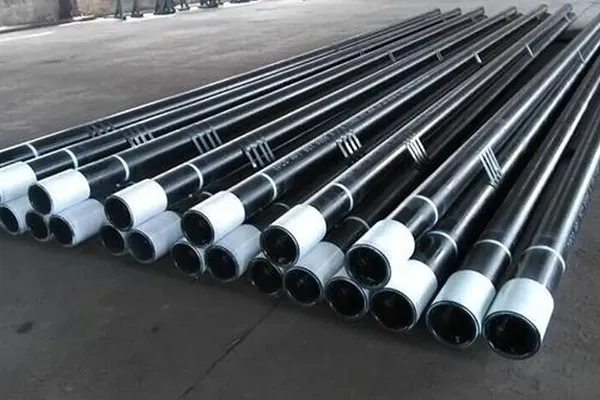
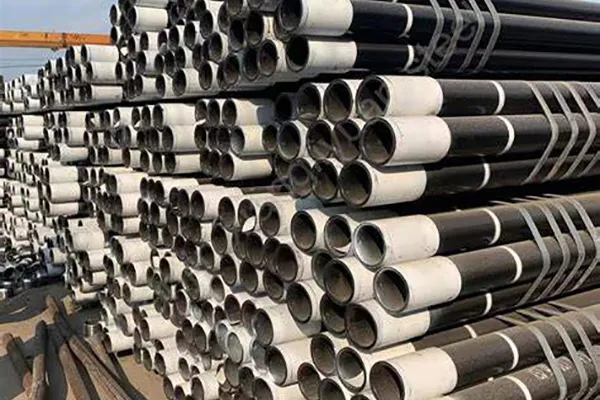
In terms of application areas, high-strength seamless steel pipes cover almost all industrial sectors. In the petroleum industry, they are used for oil well casing and oil pipelines; in the chemical industry, they are used to transport corrosive media; in the power industry, they are used for boiler superheater tubes and main steam pipelines; and in machinery manufacturing, they are used for key components such as hydraulic cylinders and bearing sleeves. With technological advancements, their application scope continues to expand. For example, in the new energy field, high-strength seamless steel pipes are beginning to be used in new application scenarios such as wind turbine towers and solar panel supports.
Quality testing is a crucial step in ensuring the performance of high-strength seamless steel pipes. Routine testing items include chemical composition analysis, mechanical property testing, hydrostatic testing, and ultrasonic flaw detection. High-quality products also need to pass third-party certifications, such as API 5L and ASTM A106 international standard certifications. Users should carefully check the product quality certificate when purchasing and, if necessary, request the supplier to provide a test report. From actual user feedback, high-strength seamless steel pipes produced by reputable manufacturers can have a service life of over 15 years, resulting in significant economic benefits.
Future development trends indicate that high-strength seamless steel pipes will evolve towards higher performance and greater environmental friendliness. On one hand, the application of new materials and processes will further enhance product performance, such as pipeline steel of X80 and above produced using micro-alloying technology. On the other hand, green manufacturing technologies will reduce energy consumption and pollution during production. Furthermore, the widespread adoption of intelligent production lines will improve product consistency and production efficiency. It is projected that by 2030, my country’s high-strength seamless steel pipe industry will achieve greater breakthroughs in high-end product areas, better meeting the demands of domestic and international markets.
Post time: Jan-04-2026










 English
 Español
 русский язык
 Português