Product News

Hunan Great Steel Pipe Co., Ltd
seamless steel pipe,alloy pipe,drill pipe

ERW pipe technical requirements

Date: 2019-10-29
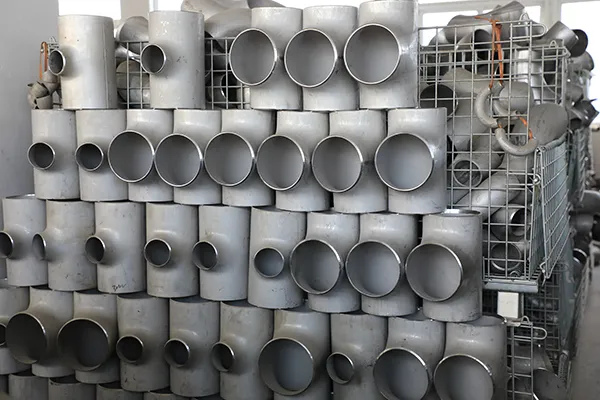
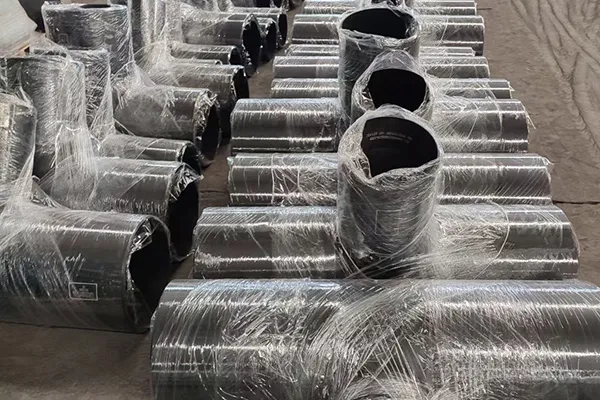
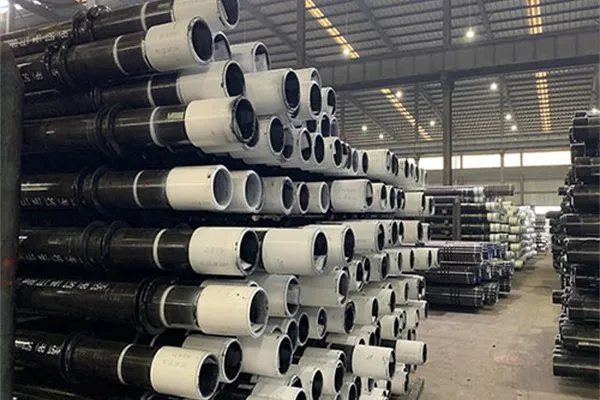
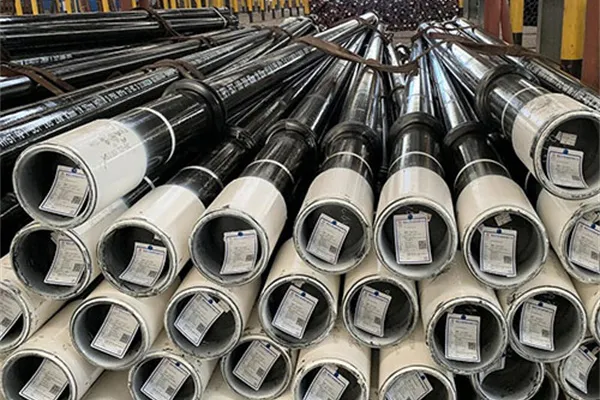
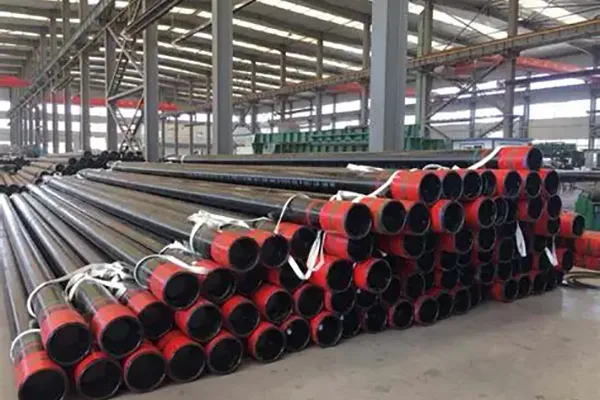
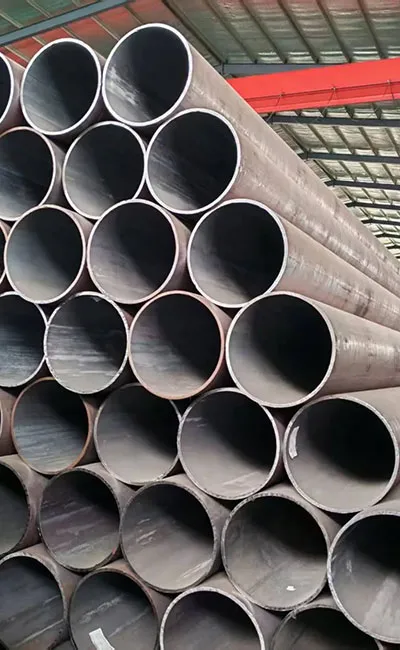
ERW pipe technical requirements ERW pipe technical requirements ERW pipe weld contour shape According to API SPEC 5L standards, most domestic production plant during SAW pipe weld tensile test, usually retain the weld reinforcement, direct tensile test from the test rarely broken welds situation. The main reason can be attributed to the presence of the weld reinforcement. SAW pipe, said more than high or strengthen high, in the objective to increase the thickness of the weld area, and enhance the structural strength of the weld, the strength of the weld area (the overall structural strength) than the strength of the base metal parts. Reference SAW pipe weld Strengthening beneficial role in the ERW pipe welding Weld intends to squeeze thick, in the vicinity of the weld to form a thickness greater than the thickness of the base material, extending to the reinforcing layer weld heat-affected zone, then within the welding burr formation completely evenness, forming wavy smooth transition region to improve the structural strength of the weld area between the base metal and steel welds. Meanwhile, since the thickness of pipe welds have a greater tolerance, even scraping system instability due to internal glitch, resulting in some degree of scratch groove welds, it will not cause a serious decrease weld strength. In addition, the weld and base metal smooth transition, ultrasonic testing of the weld does not cause false positive rate increases. Scrape the inside welds very smooth burr, weld and base metal transition very smooth. Usually a steel pipe wall thickness is 11.9mm, a thickness range of extrusion welds typically range from about 25mm to either side of each weld, the weld portion after the removal of burr than other parts of the base material thickness of about 10%. Smaller thickness of the pipe, squeeze thick range may be reduced, but the proportion of weld thicker parts of the general control 10% of the base material thickness. Post time: Oct-29-2019 Technical requirements For oil and gas transport For low pressure fluid conveying Material Gr.b Gr.b Pipe body diameter D<508mm, ±0.75%; D≥508mm, ±0.75% D≤168.3, ±1.0%; 168.3<D≤508,±0.75%; Wall thickness D<508mm,+15.0%,-12.5%; D≥508mm, +17.5%,-10% ±12.5% Bending ≤0.2% ≤0.2% Ovality D≥508mm,≤±1% ≤±0.75% Bevel ≤1.59mm ≤5mm Hydrostatic testing 100% 100% Nondestructive testing 100% non-destructive weld inspection Ultrasonic flaw detection is 100%

Latest news list

  • LSAW steel pipe maintenance,LSAW pipe maintenance,LSAW steel pipe inspection,LSAW pipeline maintenance
    Installing a properly specified LSAW steel pipe does not eliminate the need for pipeline maintenance,Once a pipeline enters service,corrosion,coating deterioration,mechanical loading,ground movement,operating changes,and environmental exposure can gradually affect its condition,For large-diameter pipelines,a practical maintenance program should focus on identifying changes early and taking corrective action before a manageable condition develops into an integrity problem,The objective is not simply to inspect the pipe,It is to understand the condition of the complete pipeline system and respond based on evidence,
  • LSAW steel pipe,LSAW steel pipe for high pressure,high-pressure pipeline,LSAW pipe wall thickness
    High-pressure pipeline systems place demanding requirements on pipe material,dimensions,weld integrity,inspection,and operating conditions,For large-diameter pipelines,LSAW steel pipe can be an effective solution because its manufacturing process allows large outside diameters and substantial wall thicknesses to be produced from steel plate,However,selecting LSAW steel pipe for pressure service is not simply a matter of choosing a thicker wall,The pipe specification needs to match the actual design pressure,temperature,fluid,diameter,applicable code,and service environment,
  • LSAW steel pipe corrosion,LSAW steel pipe coating,3PE coated LSAW steel pipe,FBE coated steel pipe
    LSAW steel pipe is widely used for large-diameter water transmission,buried pipelines,and other infrastructure projects where strength,dimensional control,and long-term service reliability are important,However,pipe strength alone does not prevent corrosion,For buried or water pipeline systems,corrosion protection should be considered from material selection and coating through transportation,field welding,installation,and long-term inspection,A coating system should also be selected according to the actual operating environment rather than simply by initial cost,
  • LSAW steel pipe shipment,LSAW steel pipe export,large diameter steel pipe,LSAW pipe inspection
    For a large-diameter LSAW steel pipe project,manufacturing is only one part of the delivery process,The pipe must meet the approved technical specification,pass the required inspections,receive the correct end preparation and surface protection,and reach the port in suitable condition for international transportation,A recent export order provides a practical example of how technical,quality and logistics activities need to work together before shipment,
  • LSAW steel pipe for water transmission,LSAW water pipe,large diameter LSAW steel pipe,LSAW steel pipe coating
    Large-diameter LSAW steel pipe is widely used for water transmission projects where high flow capacity,large diameters and project-specific wall thicknesses are required,Its longitudinal welded construction also allows manufacturers to produce pipe to defined dimensions and mechanical requirements,But selecting the right LSAW pipe is only one part of pipeline reliability,Hydraulic conditions,pressure transients,internal water quality,corrosion protection,field welding and installation all affect long-term performance,

Find what you need ?

close
We use cookies and other tracking technologies to improve your browsing experience on our website, to show you personalized content and targeted ads, to analyze our website traffic, and to understand where our visitors are coming from.