Price List

Hunan Great Steel Pipe Co., Ltd
well tubing,lsaw pipe,carbon steel seamless pipe

Geological drill pipe

Date: 2020-07-06
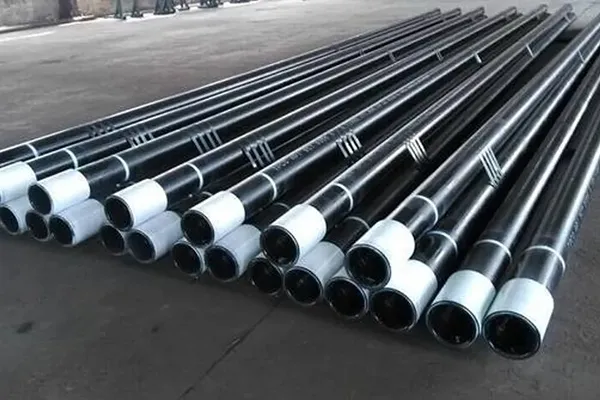
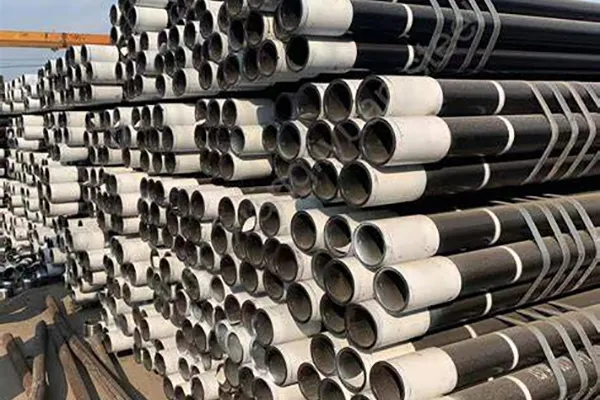
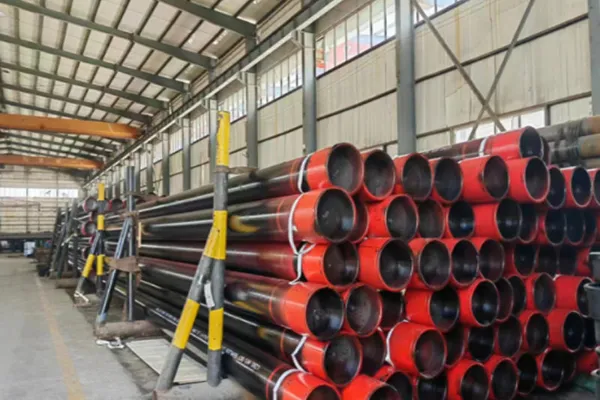
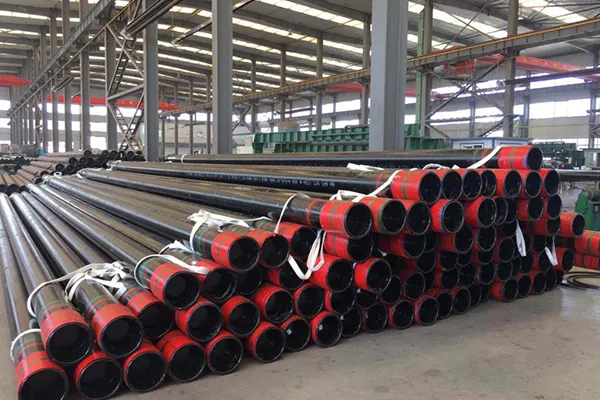
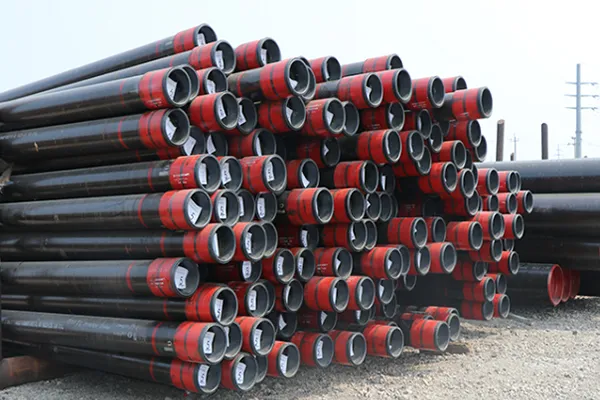
Geological drill pipe Geological pipe is a steel pipe drilled by core in the geological department. Its cross section is hollow, and there are long geological drill bits connected to the steel pipe. Geological pipes with hollow cross-section, a large number of pipes, used to transport fluids, such as oil, natural gas, natural gas, water and some solid materials transportation, pipes, etc. According to usage, it can be divided into drill pipe, drill collar, core pipe, casing pipe and sedimentation pipe. Drill rod with welding tool joint In order to explore the underground rock structure in the practical application of geological pipes, geological drilling pipes, groundwater, oil, natural gas and mineral resources, drilling rigs are used. Petroleum, natural gas, and mining are inseparable from drilling, geological drilling, and seamless steel pipes for oil drilling. Drilling equipment includes core outer tubes, core tubes, casing, and drill pipes. The drill pipe is deep into the depths of several thousand meters. The working conditions are extremely complex. The drill pipe is subjected to tension and compression, bending, torsion and uneven impact load stress. It is also subject to mud and rock wear. Therefore, the pipe must have sufficient strength, hardness, wear resistance and impact toughness. Post time: Jul-06-2020

Latest news list

  • oil casing corrosion,sour service casing,CO₂ corrosion in oil wells,H₂S material selection,oil well corrosion management,casing integrity
    Oil casing in corrosive well environments must meet both mechanical design requirements and the demands of the service environment,Carbon dioxide (CO₂),hydrogen sulfide (H₂S),chlorides,water chemistry and temperature can influence corrosion behavior and material suitability,Choosing a casing grade based on strength alone may leave important risks unaddressed,
  • how to choose oil casing,oil casing selection,oil casing buying guide,oil casing procurement,oil casing specifications
    Choosing the right oil casing requires more than matching a nominal diameter or selecting a higher-strength steel grade,Casing must meet the well design,expected mechanical loads,connection requirements and service environment,For drilling contractors,EPC procurement teams and international buyers,confirming these requirements before ordering helps reduce specification errors,delivery delays and costly changes during project execution,
  • oil casing failure signs,casing integrity problems,annular pressure monitoring,oil well casing damage,casing failure diagnosis,oil casing inspection
    Oil casing provides structural support and helps maintain well integrity throughout drilling and production,When casing or related well barriers deteriorate,the consequences may include leakage,operational interruptions and increased safety risks,However,casing damage is not always visible at the surface,and early warning signs do not necessarily confirm a failure,
  • oil casing quality control,oil casing inspection,oil casing testing,casing pipe quality requirements
    Oil casing quality must be verified against the requirements agreed for the order,including steel grade,dimensions,connections,inspection scope and documentation,Before shipment,buyers need to know not only whether the product has been inspected,but also whether the required tests are complete,the results meet the specified acceptance criteria,and the records correspond to the supplied materials,
  • casing damage during cementing,oil casing cementing,casing running problems,casing connection inspection,well casing integrity
    Casing damage during cementing can complicate well construction,delay subsequent operations and raise concerns about well integrity,Although cementing helps support the casing string and isolate formations,the operation involves mechanical loads,fluid pressure and coordination between drilling and cementing teams,

Find what you need ?

close
We use cookies and other tracking technologies to improve your browsing experience on our website, to show you personalized content and targeted ads, to analyze our website traffic, and to understand where our visitors are coming from.