Production process requirements for seamless tubes
Date: 2022-11-29
Production process requirements for seamless tubes
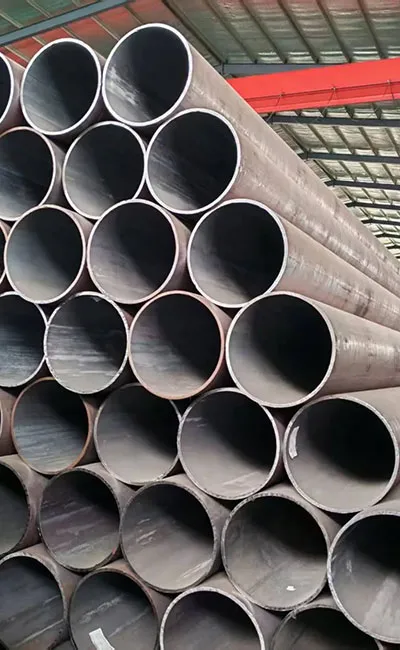
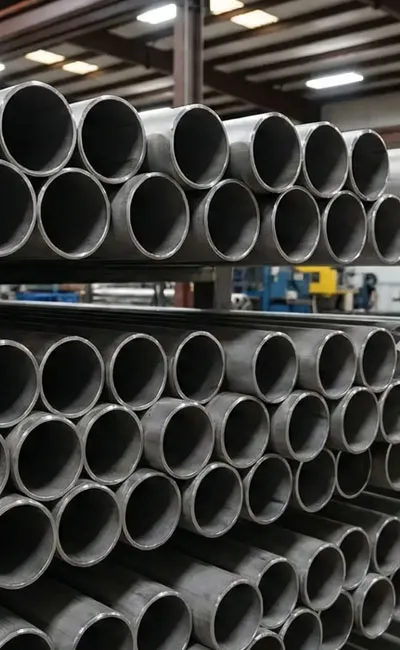
The scope of application of seamless tubes in production and life is getting wider and wider. The development of seamless tubes in recent years has shown a good trend. For the manufacture of seamless tubes, it is also to ensure its high-quality processing and production. HSCO has also been accepted Many manufacturers have praised it, and I will give you some brief introductions about the production process of seamless tubes here, so that everyone can understand it.
The manufacturing process of seamless steel tubes is mainly divided into two major steps:
1. Hot rolling (extruded seamless steel tube): round tube billet → heating → piercing → three-roll cross rolling, continuous rolling or extrusion → stripping → sizing (or reducing) → cooling → straightening → hydraulic test (or flaw detection) → marking → warehousing
The raw material for rolling seamless pipe is round tube billet, and the round tube embryo should be cut by cutting machine to grow billets with a length of about 1 meter, and transported to the furnace by conveyor belt. Billet is fed into the furnace to heat, the temperature is about 1200 degrees Celsius. The fuel is hydrogen or acetylene, and the temperature control in the furnace is a key issue.
After the round tube billet is out of the furnace, it must be pierced through a pressure piercer. Generally, the more common piercer is the cone roll piercer. This kind of piercer has high production efficiency, good product quality, large perforation diameter expansion, and can wear a variety of steel types. After piercing, the round tube billet is successively cross-rolled, continuous rolled or extruded by three rolls. This is the step of shaping the seamless steel pipe, so it must be done carefully. After extrusion, it is necessary to take off the tube and sizing. Sizing by high-speed rotary cone drill holes into the billet to form a tube. The inner diameter of the steel pipe is determined by the length of the outer diameter of the drill bit of the sizing machine. After the steel pipe is sized, it enters the cooling tower and is cooled by spraying water. After the steel pipe is cooled, it will be straightened. After straightening, the steel pipe is sent to the metal flaw detector (or hydraulic test) by the conveyor belt for internal flaw detection. After the operation, if there are cracks, bubbles and other problems inside the steel pipe, they will be detected.
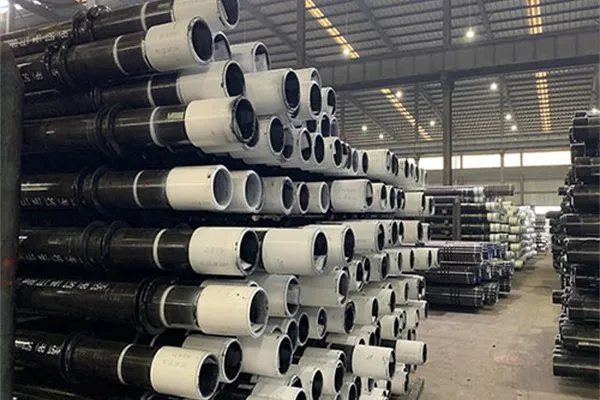
After the quality inspection of steel pipes, strict manual selection is required. After the quality inspection of the steel pipe, paint the serial number, specification, production batch number, etc. with paint. And hoisted into the warehouse by crane. Be sure to ensure the quality of the seamless steel pipe and the operation of the detail process.
2. Cold drawn (rolled) seamless steel tube: round tube blank→heating→piercing→heading→annealing→pickling→oiling (copper plating)→multi-pass cold drawing (cold rolling)→blank tube→heat treatment→straightening → hydrostatic test (flaw detection) → marking → storage.
Among them, the rolling method of cold drawn (rolled) seamless steel tube is more complicated than hot rolling (extruded seamless steel tube). The first three steps of their production process are basically the same. Therefore, it is easier to operate. The difference is that starting from the fourth step, after the round tube blank is empty, it needs to be headed and annealed. After annealing, use a special acidic liquid for pickling. After pickling, apply oil. Then it is followed by multi-pass cold drawing (cold rolling) and special heat treatment. After heat treatment, it will be straightened. After straightening, the steel pipe is sent to the metal flaw detector (or hydraulic test) by the conveyor belt for internal flaw detection. If there are cracks, bubbles and other problems inside the steel pipe, they will be detected.
After these processes are completed, the steel pipes must pass strict manual selection after the quality inspection. After the quality inspection of the steel pipe, paint the serial number, specification, production batch number, etc. with paint. After all these tasks are done, they will be hoisted into the warehouse by a crane.
The seamless steel tubes put into storage should also be carefully preserved and scientifically maintained to ensure that the high-quality seamless steel tubes leave the factory when they are sold.
Post time: Nov-29-2022










 English
 Español
 русский язык
 Português