Company News

Hunan Great Steel Pipe Co., Ltd
electric resistance welded pipe,alloy pipe,stainless pipe

API casing hydrostatic pressure test

Date: 2023-09-28
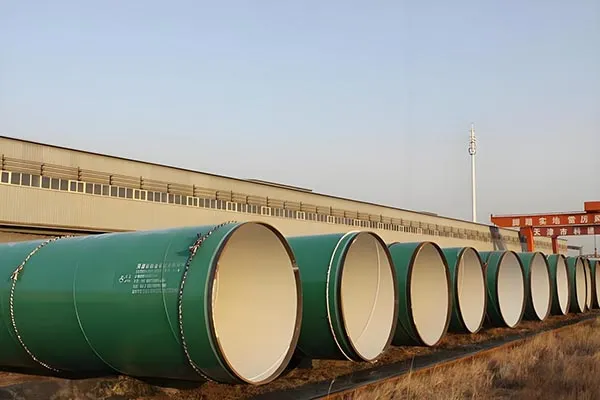
API casing hydrostatic pressure test API oil casing is a steel pipe used to support the wall of oil and gas wells to ensure the normal operation of the entire oil well during the drilling process and after completion. The hydrostatic pressure test of casing pipe is an indispensable part of the production process of the steel pipe. Its role is to test the anti-leakage performance of the steel pipe under standard test pressure and regulation time. Like radiographs, ultrasonics, and other flaw detection techniques, it is an important means of testing the overall quality of steel tubes. The popular description is to fill the pipe with water and test its ability to maintain the specified pressure without leaking or breaking under pressure. Its operations include three steps: flushing, pressure testing and water control. API 5CT standard for hydrostatic pressure test: 1. The hydrostatic pressure test value of coupling and threaded pipe is the lowest value of the hydrostatic test pressure of the flat end pipe, the maximum hydrostatic pressure test pressure of the coupling, and the internal pressure leakage resistance, but the standard maximum pressure is 69MPa and the pressure is calculated. The value is generally rounded to the nearest 0.5 MPa. 2. According to API requirements, the hydrostatic test pressure measuring device should be calibrated within 4 months before each use. 3. If the customer has special requirements, a higher pressure test pressure can be selected. 4. Hydrostatic pressure test Leakage is the basis for rejection. 5. Except where otherwise agreed between the purchaser and the manufacturer, hydrostatic pressure testing is not required for coupling blanks, coupling materials, nearby materials, or Q125 steel pup joints. Post time: Sep-28-2023

Latest news list

  • structural steel profile connection problems,H beam connections,steel channel connections,angle steel bracing,structural steel bolted joints,steel profile welding
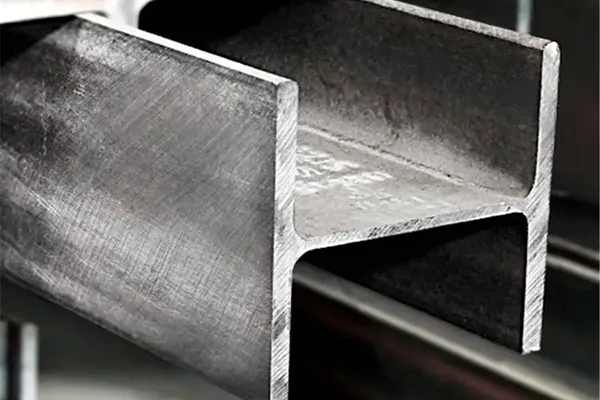
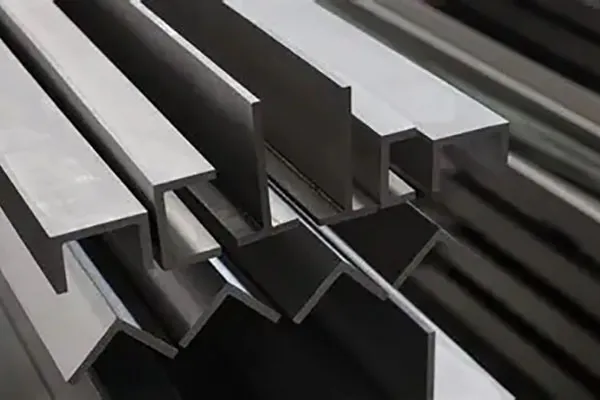
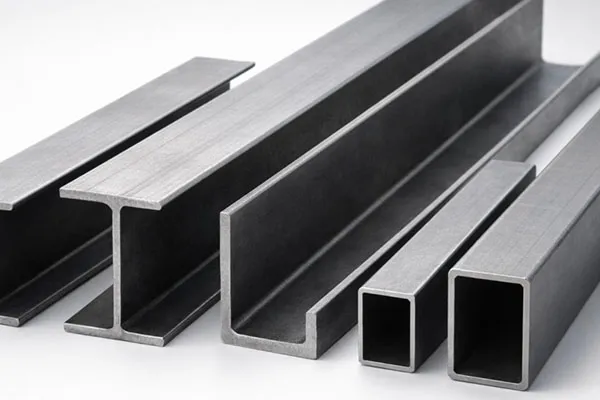
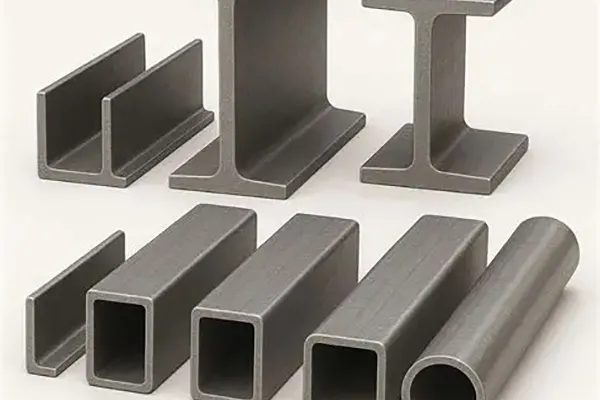
    H beams,I beams,U channels,and angle steel are widely used in industrial buildings,platforms,equipment supports,and structural frames,Their performance depends not only on the strength of individual members but also on the accuracy and quality of their connections,Misaligned bolt holes,uneven bearing surfaces,excessive gaps,weld defects,and installation deviations can delay fabrication and erection,Many of these problems can be avoided through accurate drawings,dimensional checks,controlled fabrication,and inspection before assembly,
  • structural steel profile inspection,H beam inspection; I beam dimensional tolerance; U channel quality control; angle steel inspection
    Structural steel profiles are widely used in industrial buildings,bridges,equipment supports and other load-bearing structures,Before delivery,their dimensions,material properties and surface condition should be checked against the purchase order and applicable product standards,For H beams,I beams,U channels and angle steel,inspection should cover more than a visual check,The following points provide a practical guide for buyers,project engineers and quality teams preparing structural steel profiles for dispatch,
  • structural steel profile corrosion protection,outdoor steel profile corrosion,H-beam rust prevention,angle steel corrosion,galvanized structural steel
    H beams,I beams,U channels,and angle steel are widely used in outdoor structures,including equipment platforms,pipe supports,access walkways,storage facilities,and industrial frames,Once installed,these profiles are exposed to rain,humidity,airborne pollutants and,in some locations,salt or chemical contamination,Corrosion does not develop evenly across every steel member,Water can collect around connections,beneath base plates or inside poorly drained details,If the protective system does not match the service environment,corrosion may gradually reduce the effective steel section and increase maintenance costs,Effective corrosion protection starts with understanding the exposure conditions,selecting a suitable protective system,and addressing details that allow moisture to accumulate,
  • structural steel profile production,H beam production,I beam production,U channel production,angle steel production,structural steel profile inspection
    Structural steel profiles are widely used in industrial buildings,bridges,infrastructure,equipment frames and other construction projects,H beams,I beams,U channels and angle steel have different cross-sectional shapes,each designed for particular structural and fabrication requirements,Although these products look different,their manufacturing processes share several stages,including steel preparation,forming,cooling,straightening and inspection,Understanding how structural steel profiles are produced helps engineers and buyers evaluate product specifications and communicate more effectively with suppliers,
  • FBE coated steel pipe inspection and maintenance,FBE pipeline maintenance,steel pipe coating inspection,FBE coating defects
    FBE (fusion-bonded epoxy) coating provides external corrosion protection for steel pipelines,particularly in buried and submerged applications,However,the coating does not eliminate the need for inspection after installation,Construction damage,field joint defects,ground movement and third-party excavation can affect the protective system during pipeline service,For buried pipelines,most of the external coating cannot be examined directly without excavation,Operators therefore need a planned integrity management approach that combines construction records,accessible-area inspections,corrosion monitoring and targeted investigation of suspected defects,

Find what you need ?

close
We use cookies and other tracking technologies to improve your browsing experience on our website, to show you personalized content and targeted ads, to analyze our website traffic, and to understand where our visitors are coming from.