On a refinery revamp project in Southeast Asia, the shutdown schedule allowed only a few weeks to replace several critical process lines. Completing fabrication on-site would have increased field welding, extended installation time, and exposed the project to weather delays. By using pre-fabricated piping, most welding, inspection, and testing were completed before shipment, allowing installation crews to focus on assembly rather than fabrication. The project was completed on schedule with fewer field modifications and improved quality consistency. This approach is becoming standard across industrial construction. As project schedules tighten and quality requirements become more demanding, EPC contractors increasingly choose
pre-fabricated piping to reduce construction risks, improve installation efficiency, and maintain consistent manufacturing quality.
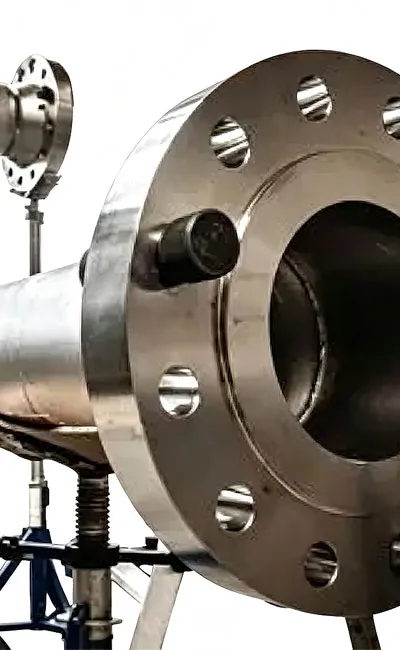
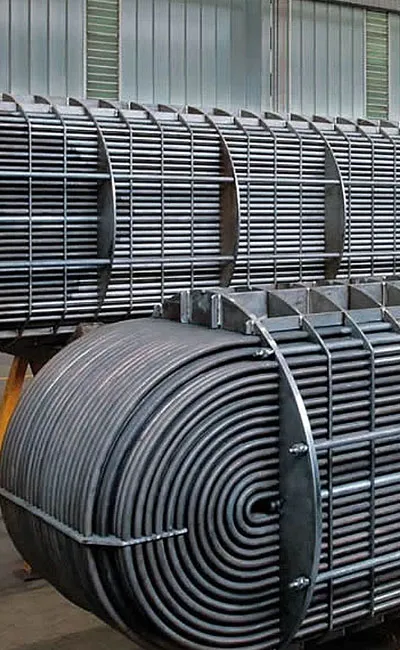
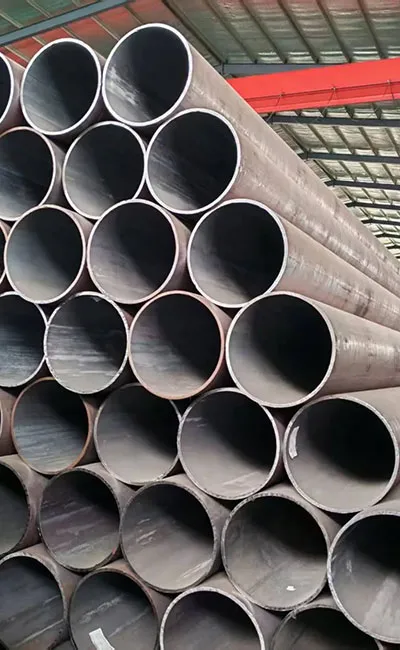
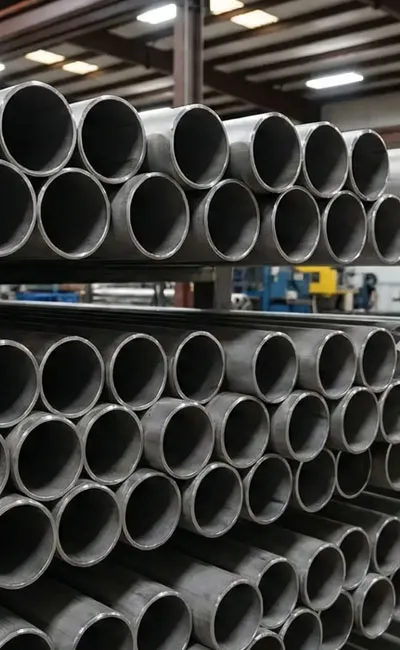
Pre-fabricated piping, often called pipe spool fabrication, is the process of manufacturing complete piping sections in a controlled workshop before transporting them to the construction site for installation. Each pipe spool is cut, beveled, welded, assembled, inspected, and pressure-tested according to approved engineering drawings. Depending on project requirements, coatings, surface treatments, insulation preparation, and complete quality documentation are also completed before shipment. Compared with traditional field fabrication, factory production minimizes site welding, reduces weather-related interruptions, and provides better dimensional accuracy. Installation teams primarily assemble and connect finished pipe spools, significantly shortening construction schedules while maintaining higher and more consistent quality standards.
Faster Project Delivery: Factory fabrication allows workshop production and on-site civil work to proceed simultaneously. Once foundations and equipment are ready, finished pipe spools can be installed immediately, greatly reducing construction time. For refinery shutdowns and maintenance projects where every day affects production, this time saving is often one of the biggest advantages.
Better Welding Quality: Unlike field welding, factory fabrication provides stable environmental conditions, qualified welding procedures (WPS), experienced welders, and complete inspection processes. Dimensional verification, NDT, hydrostatic testing, and material traceability can all be completed before delivery, reducing the likelihood of costly rework after installation.
Improved Site Safety: Moving fabrication from the construction site to the workshop significantly reduces hot work, lifting activities, and confined-space welding. Fewer high-risk operations improve overall site safety while simplifying project management for EPC contractors.
Lower Overall Project Cost: Although pre-fabrication requires detailed engineering during the design stage, it usually lowers total project costs by reducing field labor, minimizing installation delays, decreasing material waste, and avoiding schedule overruns. For large industrial facilities, these savings often outweigh the additional planning effort.
Typical Industrial Applications of Pre-Fabricated Piping
Oil and Gas: Oil and gas facilities often operate in remote locations where labor availability, weather conditions, and logistics create significant construction challenges. Factory-fabricated pipe spools reduce on-site welding, improve installation quality, and help contractors maintain project schedules despite difficult working environments.
Petrochemical Plants: Petrochemical facilities frequently rely on pre-fabricated piping during plant expansions and scheduled shutdowns. Since pipe spools arrive fully inspected and ready for installation, replacement work can be completed within limited maintenance windows, reducing production downtime and improving project predictability.
Power Generation: Power plants require piping systems capable of operating under high temperatures, high pressures, and continuous thermal cycling. Factory-controlled fabrication ensures accurate fit-up, qualified welds, and reliable quality documentation, supporting long-term operational reliability.
LNG Projects: Liquefied natural gas facilities require strict dimensional tolerances, certified materials, and comprehensive quality control. Pre-fabricated piping supports modular construction while improving fabrication accuracy and reducing installation work in challenging project environments.
Water Treatment Plants: Water treatment facilities use pre-fabricated piping for filtration systems, chemical dosing units, and pump stations. Factory fabrication improves dimensional accuracy, shortens installation time, and simplifies future maintenance or system upgrades.
Mining and Metallurgy: Mining operations often require slurry, compressed air, and process water pipelines in remote locations. Manufacturing pipe spools off-site reduces construction work in difficult environments while improving welding consistency and installation efficiency.
Offshore Platforms: Offshore projects have limited working space and high labor costs. Pre-fabricated piping minimizes offshore welding, shortens installation time, and helps maintain quality under demanding marine conditions. Corrosion-resistant materials and protective coatings further improve long-term reliability.
Pharmaceutical and Food Processing: Hygienic piping systems demand smooth internal surfaces, precise welding, and complete material traceability. Factory-controlled fabrication helps reduce contamination risks while ensuring compliance with strict industry standards.
We've supplied pre-fabricated piping for projects across all these sectors — and in every case, the decision to fabricate off-site came down to the same three factors: schedule, quality, and safety.










 English
 Español
 русский язык
 Português