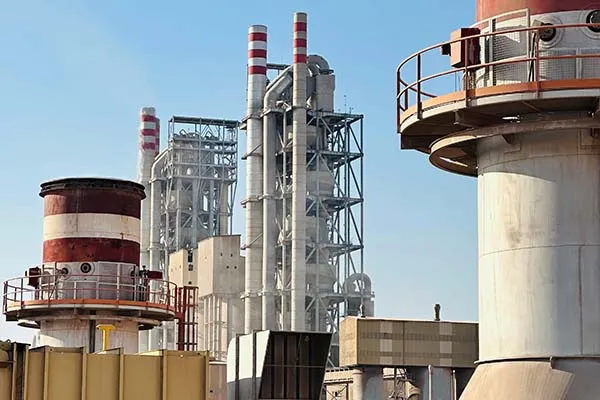
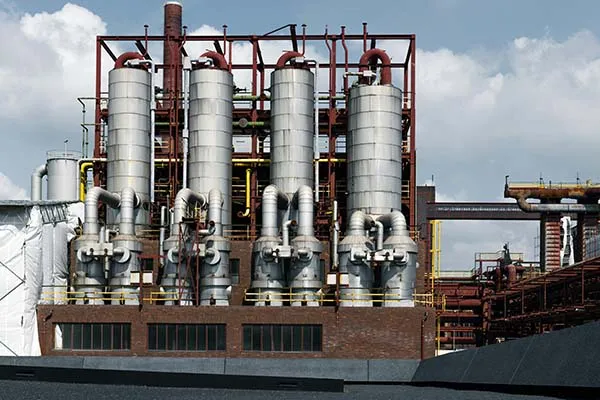
Pipeline fabrication is one of the most labor-intensive and quality-sensitive activities in large-scale industrial projects. Traditional field fabrication often faces challenges such as limited working space, weather interruptions, welding control difficulties, and extended installation schedules. As industrial projects become more complex and delivery timelines become tighter, pre-fabricated piping has become an increasingly important solution. By completing major fabrication activities in a controlled workshop environment, prefabricated piping systems help improve quality consistency, reduce field workload, and enhance overall project efficiency. This article explains the structural features, engineering advantages, and typical applications of pre-fabricated piping systems, as well as key factors to consider when selecting a reliable fabrication partner.
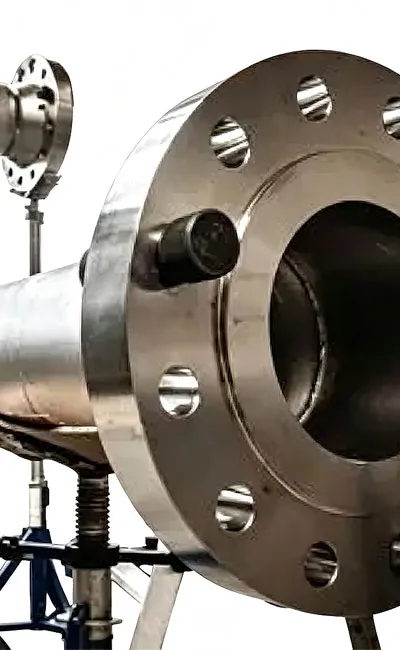
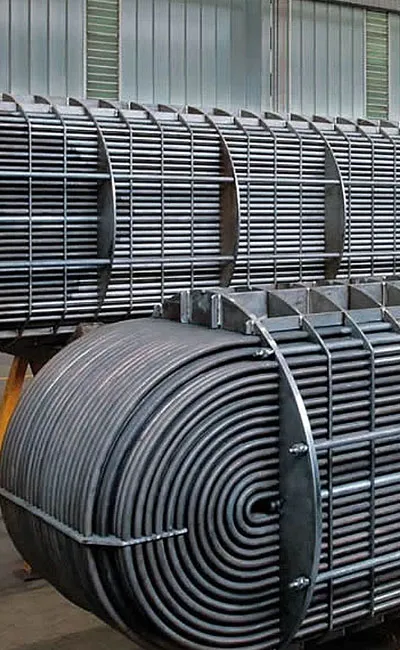
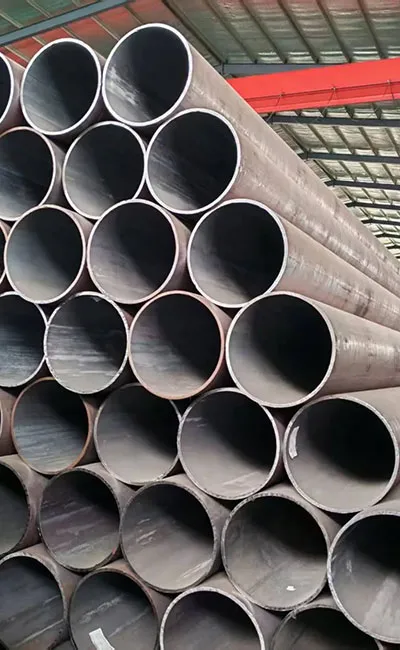
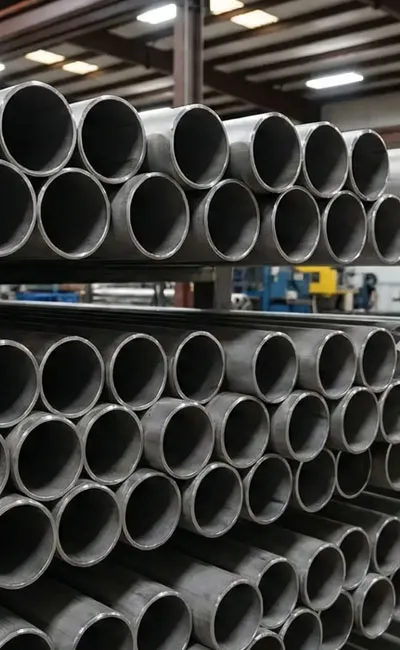
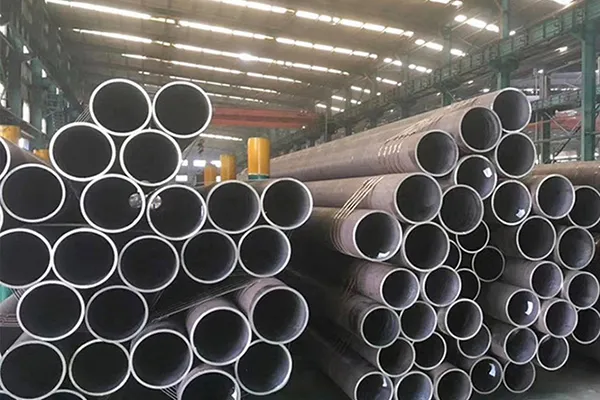
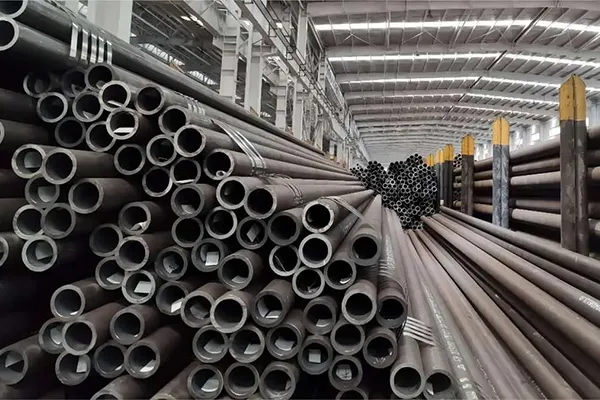
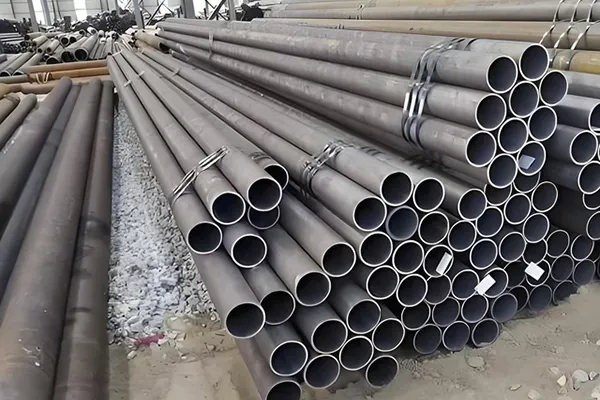
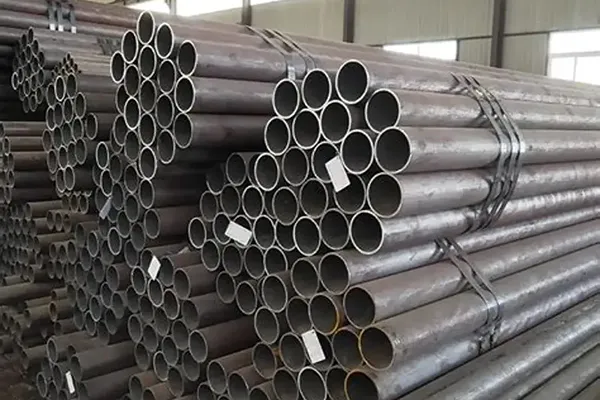
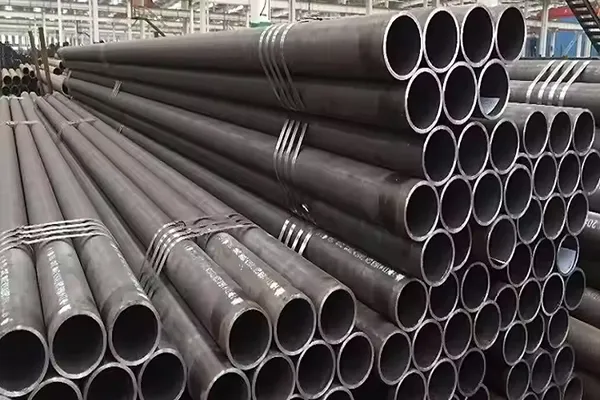
Pre-fabricated piping, also known as pipe spool fabrication, refers to the process of manufacturing complete piping sections in a professional fabrication facility before transporting them to the construction site for installation. A typical prefabricated piping assembly may include pipe sections, elbows, tees, reducers, flanges, valves, supports, and other connection components. Each spool is manufactured according to approved engineering drawings, including cutting, beveling, welding, inspection, and testing procedures. Compared with traditional field fabrication, pre-fabricated piping reduces extensive on-site cutting and welding activities. Installation teams can focus on positioning, alignment, connection, and final site assembly, improving construction efficiency and project control.
Key Structural Features of Pre-Fabricated Piping Systems
1. Modular Pipe Spool Design. Pipe spools are manufactured based on engineering drawings, 3D models, and project requirements. The piping system is divided into manageable sections according to transportation limitations and installation conditions. This modular design improves installation accuracy, simplifies site assembly, and reduces potential errors caused by complex field fabrication. Each spool is normally marked with identification information to support efficient installation and traceability.
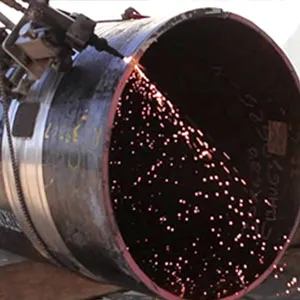
2. Factory-Controlled Welding. One of the main advantages of pre-fabricated piping is that most welding work is completed in a controlled workshop environment. Professional fabrication facilities follow qualified Welding Procedure Specifications (WPS), experienced welding practices, and strict inspection procedures. Compared with outdoor welding conditions, factory fabrication provides better control over welding quality, dimensional accuracy, and production consistency.
3. Integrated Components and Connections. Pre-fabricated piping structures can integrate various components, including flange connections, instrument interfaces, drain and vent points, and lifting supports. By preparing these details before shipment, prefabricated systems reduce additional fabrication work at the construction site and improve installation coordination between piping, equipment, and other project components.
4. Material Selection Based on Operating Conditions. Material selection plays an important role in piping performance and service life. Common materials include carbon steel, stainless steel, alloy steel, and duplex stainless steel. The appropriate material depends on operating temperature, pressure requirements, corrosion conditions, and transported media. For high-temperature applications, alloy steel may be selected for its improved thermal stability and creep resistance, while stainless steel grades are commonly used in corrosive environments.










 English
 Español
 русский язык
 Português