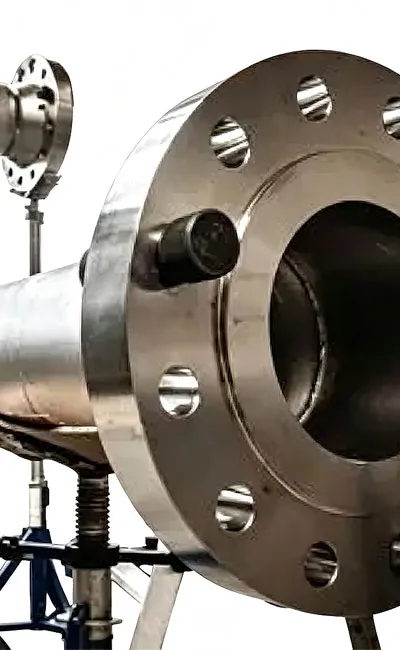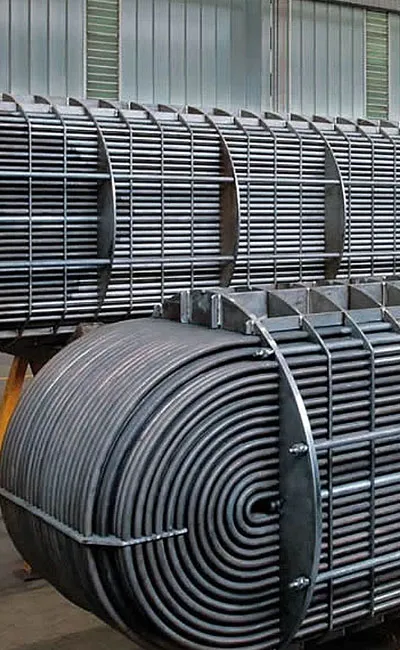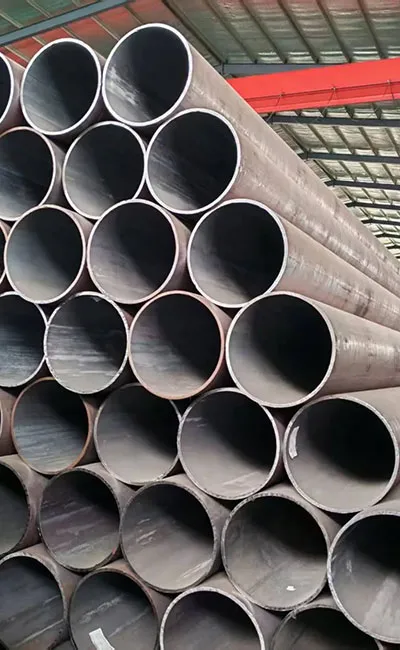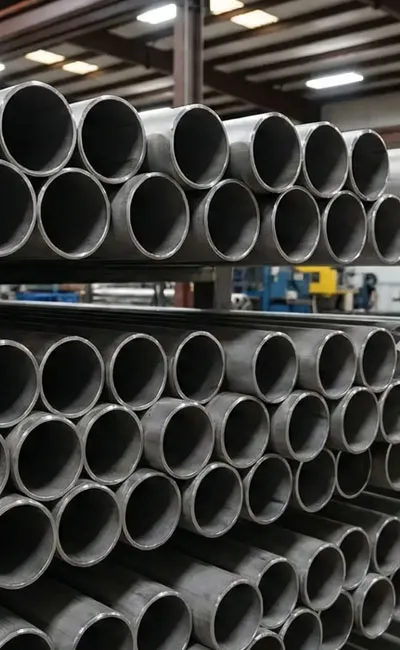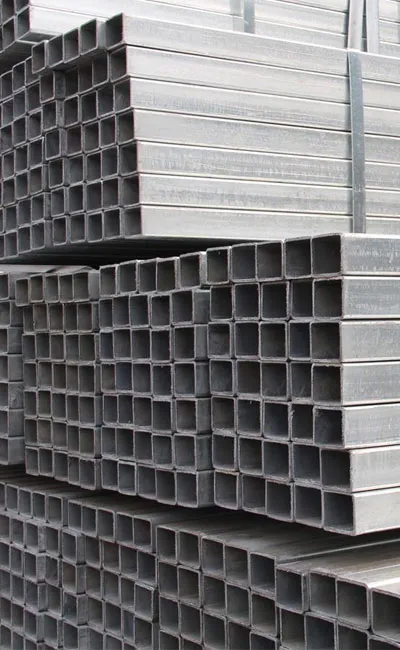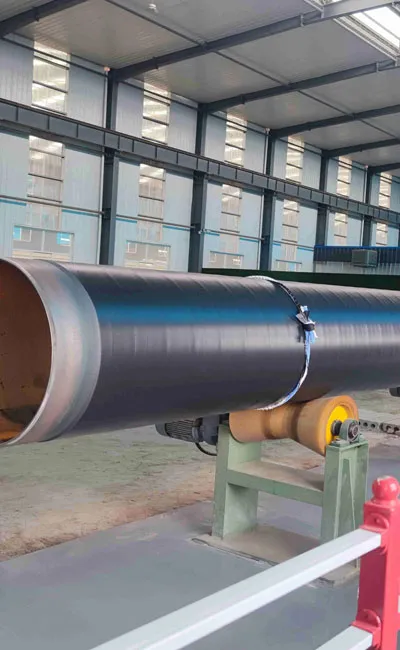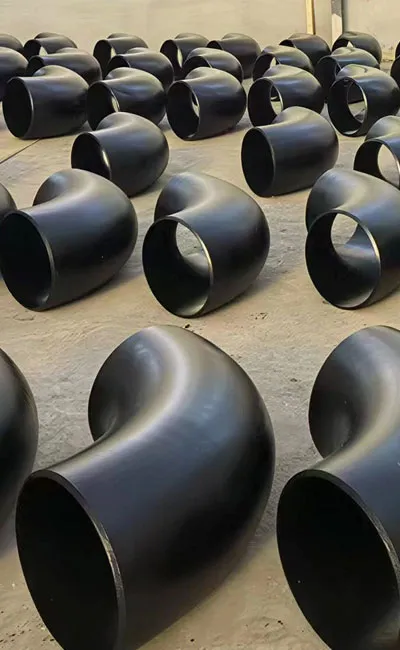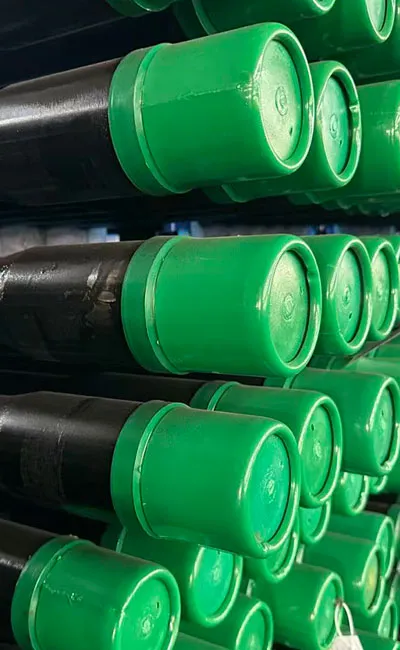

A refinery turnaround scheduled for 28 days was completed in 18 — not because the field crew worked faster, but because over 70% of the piping had already been welded, inspected, and tested before it ever reached the site. That is the reality of pre-fabricated piping. Pre-fabricated piping is an industrial piping solution in which pipe spools are manufactured, welded, inspected, and tested in a controlled workshop before being delivered to the project site for installation. Compared with traditional field fabrication, this approach improves welding quality, shortens installation schedules, and provides better control over safety and quality documentation. Today, pre-fabricated piping is widely used in oil and gas, petrochemical, power generation, water treatment, mining, and other industrial facilities where construction efficiency and long-term reliability are critical. Understanding how pre-fabricated piping is produced and why it is increasingly preferred helps EPC contractors, equipment manufacturers, and project owners make more informed engineering decisions.
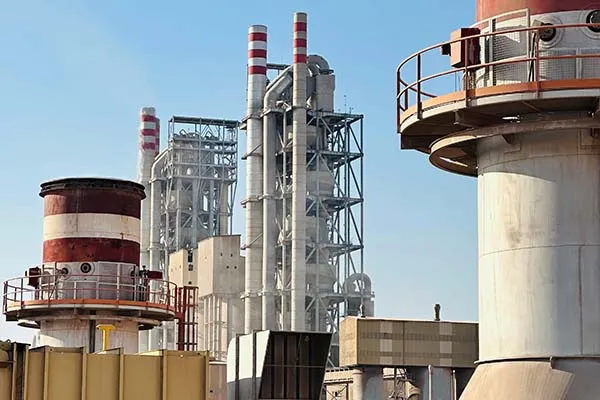
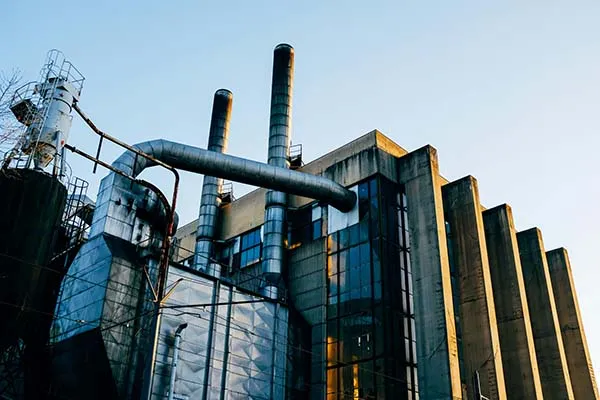
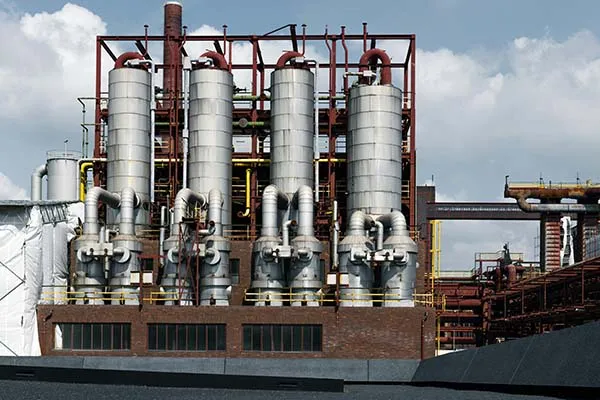
Pre-fabricated piping has become a standard solution for industrial projects that require reliable quality, efficient installation, and predictable project schedules. In the oil and gas industry, pipe spools are widely used for process piping, gathering systems, and terminal facilities. Petrochemical and chemical plants rely on pre-fabricated piping to improve installation efficiency while meeting strict quality and safety standards. In power generation, pre-fabricated piping supports boiler systems, steam pipelines, and cooling water networks where dimensional accuracy and weld integrity are critical. The same approach is widely adopted in water treatment, mining, LNG, offshore platforms, and other industrial facilities that demand long-term operational reliability. Selecting factory-fabricated pipe spools allows contractors to simplify installation, improve project coordination, and reduce construction risks across a wide range of applications.








 English
 Español
 русский язык
 Português