Industry News

Hunan Great Steel Pipe Co., Ltd
prefabricated piping,industrial piping,pipe spool fabrication,prefabricated pipe spool,process piping,pipe fabrication

How to Choose Pre-Fabricated Piping for Industrial Projects

Date: 2026-07-09
Pre-fabricated piping plays an important role in modern industrial construction by reducing on-site work, improving fabrication consistency, and helping projects stay on schedule. However, selecting the right supplier involves far more than comparing prices. Material selection, manufacturing capability, quality control, and documentation all influence the long-term reliability of a piping system. Whether the project is for a refinery, power plant, chemical facility, or water treatment system, the following factors can help buyers evaluate pre-fabricated piping before placing an order.

Choose Materials Based on Service Conditions

Material selection should always match the operating environment rather than simply following the lowest cost option. Carbon steel is widely used for general industrial service within its applicable design limits. Stainless steel is commonly selected where corrosion resistance and hygienic performance are required. Alloy steels are suitable for elevated-temperature applications, while duplex stainless steels and nickel alloys are preferred for aggressive corrosive environments or demanding process conditions. When reviewing material specifications, consider:
  • Operating temperature
  • Design pressure
  • Process media
  • Corrosion allowance
  • Applicable design code

Equally important is verifying that the supplied material matches the project specification. Depending on contract requirements, Positive Material Identification (PMI) may be carried out on every pipe spool or on a defined sampling basis to confirm the alloy composition before fabrication or shipment.


Evaluate Fabrication Capability

The quality of a pre-fabricated piping system depends on the manufacturer's production capability as much as the raw materials. Reliable fabricators generally manufacture according to internationally recognized standards such as ASME B31.3 for process piping, ASME Section IX for welding qualification, applicable ASTM material specifications, ISO 9001 quality management requirements, and customer project specifications. Before fabrication begins, experienced manufacturers typically review isometric drawings, bills of materials, weld maps, and project requirements to identify potential fabrication issues before production starts. Key manufacturing capabilities include:
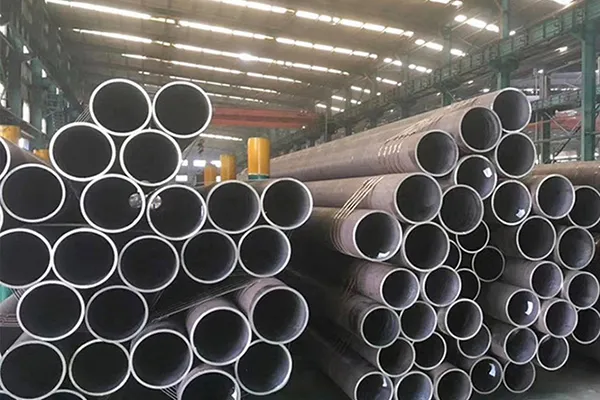
  • CNC pipe cutting and beveling
  • Qualified welding procedures (WPS/PQR)
  • Certified welders
  • Controlled fit-up and assembly
  • Dimensional verification throughout fabrication
A manufacturer with established engineering and fabrication procedures is better prepared to deliver piping spools that fit correctly during installation, reducing field modifications and unnecessary delays.

Review Inspection and Testing Procedures

Inspection should verify product quality throughout manufacturing rather than only at final delivery. A comprehensive inspection program normally includes:
  • Visual inspection of weld appearance and pipe surfaces
  • Dimensional inspection to verify spool geometry
  • Non-destructive testing (UT, RT, PT, or MT where applicable)
  • PMI verification when specified
  • Hydrostatic testing in accordance with ASME B31.3 or project requirements
  • Post-Weld Heat Treatment (PWHT) when required by material specifications or service conditions
Inspection methods should always comply with the applicable code, contract requirements, and customer specifications. Before shipment, buyers should request complete inspection records, including material certificates, NDT reports, hydrostatic test reports, dimensional inspection reports, and any additional quality documents required by the project.

Verify Documentation and Material Traceability

Complete documentation provides confidence that every component can be traced throughout the manufacturing process. Each pipe, fitting, and flange should be traceable through heat numbers linked to the corresponding Mill Test Certificate (MTC). Welding records should reference the approved Welding Procedure Specification (WPS), Procedure Qualification Record (PQR), and qualified welders responsible for fabrication. For most international industrial projects, EN 10204 Type 3.1 inspection certificates provide the standard level of quality documentation. Where independent verification is required, EN 10204 Type 3.2 certification may be specified together with third-party inspection by organizations such as SGS, Bureau Veritas (BV), or TÜV. Good documentation not only supports quality assurance but also simplifies project acceptance, maintenance, and future traceability.

Consider the Supplier's Project Experience

Manufacturing capability is important, but project experience often determines whether fabrication proceeds efficiently. Suppliers familiar with EPC projects generally have a better understanding of engineering revisions, fabrication sequencing, packaging requirements, export logistics, and installation schedules. They are also more likely to identify drawing inconsistencies or constructability issues before production begins, helping reduce costly site modifications. When evaluating suppliers, review their experience with projects similar in size, industry, material grade, and applicable standards. Previous performance often provides a more reliable indication of future delivery than price alone.

FAQ

Q1: How do I select the right material for pre-fabricated piping?
A1: The material should be selected according to operating temperature, pressure, corrosion conditions, process media, and the applicable design code. Material verification through PMI may also be specified for critical applications.
Q2: What inspection documents should buyers request?
A2: Typical documentation includes Mill Test Certificates, dimensional inspection reports, NDT reports, hydrostatic testing records, PMI reports when required, and EN 10204 inspection certificates.
Q3: Should every pre-fabricated piping system undergo hydrostatic testing?
A3: Hydrostatic testing requirements depend on the applicable code, project specification, and purchaser's requirements. When specified, testing is performed to verify the pressure integrity of the fabricated piping system before delivery.

Conclusion

Choosing pre-fabricated piping is a technical decision that extends well beyond material selection. Manufacturing capability, qualified welding procedures, inspection programs, documentation, and project experience all contribute to the safety, reliability, and installation efficiency of the finished piping system. At Hunan Great Steel Pipe Co., Ltd., pre-fabricated piping is manufactured in accordance with internationally recognized standards and supported by engineering review, qualified fabrication procedures, comprehensive quality inspection, complete material traceability, and project documentation. Third-party inspection services can also be arranged when required, helping EPC contractors and industrial clients receive piping systems that are ready for efficient installation and long-term service.

Latest news list

  • alloy steel pipe buying guide,buy alloy steel pipe,alloy steel pipe supplier,alloy steel pipe export
    Buying alloy steel pipe for an international project involves more than comparing prices per tonne,For EPC contractors,distributors and industrial buyers,procurement needs to connect technical specifications,quality control,inspection,documentation and logistics,A well-defined purchasing process helps reduce specification gaps,inspection delays and delivery problems before the pipe reaches the project site,
  • how to select alloy steel pipe,alloy steel pipe selection,alloy steel pipe buying guide,high temperature alloy steel pipe
    Selecting alloy steel pipe should start with the actual service conditions,not simply with a supplier's product catalog,In boiler,power generation and refinery applications,temperature,pressure,process medium and material properties all affect pipe selection,For example,ASTM A335,A335M-26 covers seamless ferritic alloy-steel pipe for high-temperature service,The standard states that selection depends on design,service conditions,mechanical properties and high-temperature characteristics,For buyers,a structured selection process helps prevent specification gaps before production begins,
  • alloy steel pipe maintenance,alloy steel pipe boiler usage,alloy steel pipe refinery,high temperature pipe maintenance
    Alloy steel pipe is widely used in boiler,power generation and refinery systems where piping is exposed to elevated temperatures,pressure and demanding process conditions,Selecting the correct alloy grade is important,but material selection alone does not determine service life,Long-term performance also depends on operating conditions,thermal exposure,wall thickness,fabrication quality,inspection and maintenance,For example,ASTM A335,A335M-26 covers seamless ferritic alloy-steel pipe for high-temperature service and states that material selection depends on design,service conditions,mechanical properties and high-temperature characteristics,
  • alloy steel pipe quality control,alloy steel pipe inspection,alloy steel pipe mechanical properties
    For alloy steel pipe used in boilers,power plants,refineries and other demanding industrial systems,quality control should cover the complete supply chain from raw material identification to final shipment,A pipe can meet the required outside diameter and wall thickness and still fail to satisfy the project specification if the material grade,heat treatment,mechanical properties or inspection records are incorrect,For buyers,effective quality control means verifying both the physical product and the evidence behind it,
  • alloy steel pipe high temperature,alloy steel pipe applications,alloy steel pipe selection,alloy steel pipe
    High-temperature process piping places demanding requirements on pipe materials,As temperature increases,material strength can change,oxidation can become more significant,and long-term exposure can affect the service condition of the piping system,Alloy steel pipe is commonly selected for applications where elevated-temperature mechanical performance is required,Typical uses include refinery process lines,petrochemical units,boiler and steam systems,power-generation facilities and other industrial piping operating under elevated temperature and pressure,The correct selection,however,depends on the complete service condition rather than temperature alone,

Find what you need ?

close
We use cookies and other tracking technologies to improve your browsing experience on our website, to show you personalized content and targeted ads, to analyze our website traffic, and to understand where our visitors are coming from.