Line Pipes Steels
Date: 2023-09-18
Line Pipes Steels
Line Pipes Steels
Advantages: High strength, weight, and material-saving ability
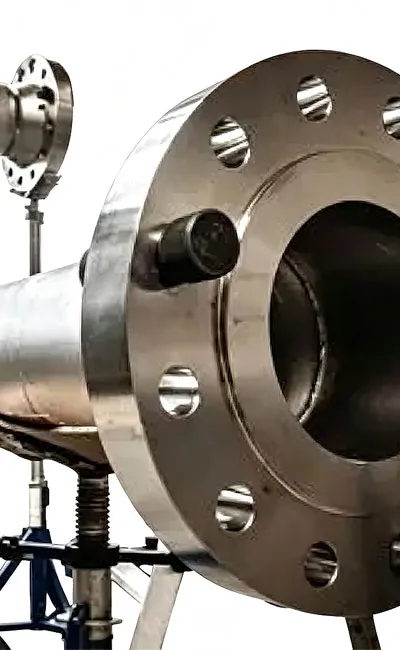
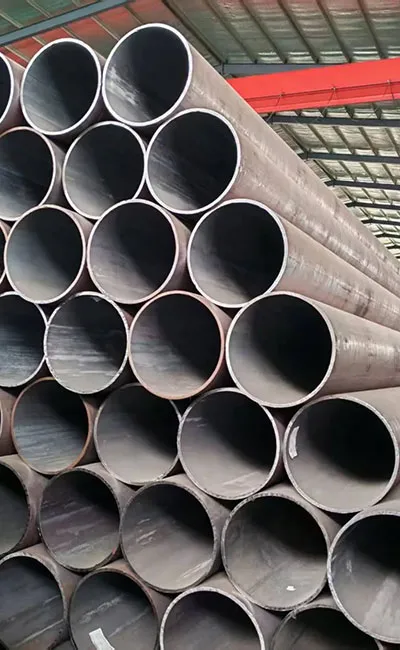
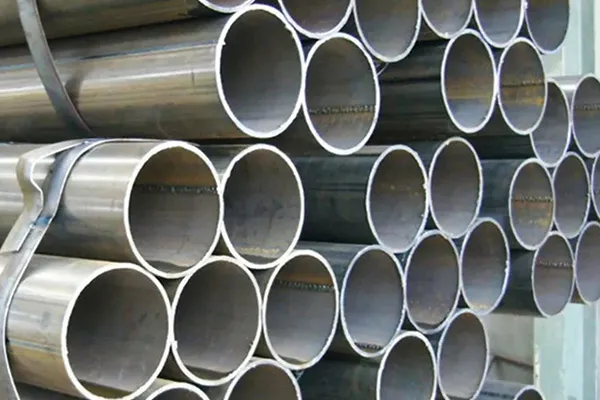
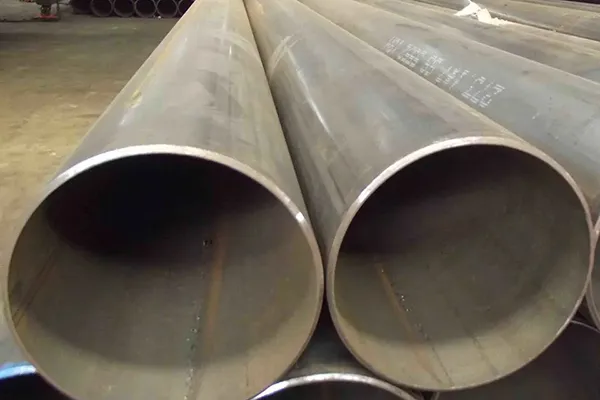
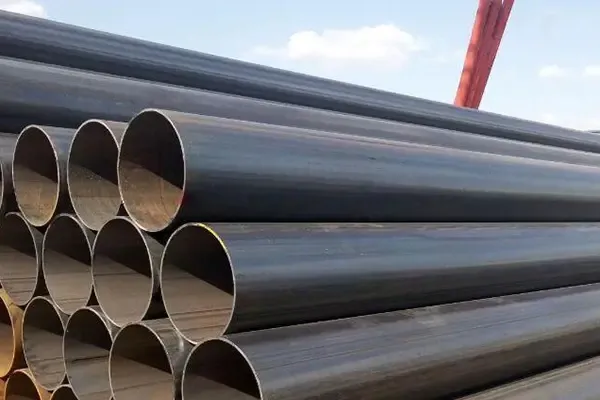
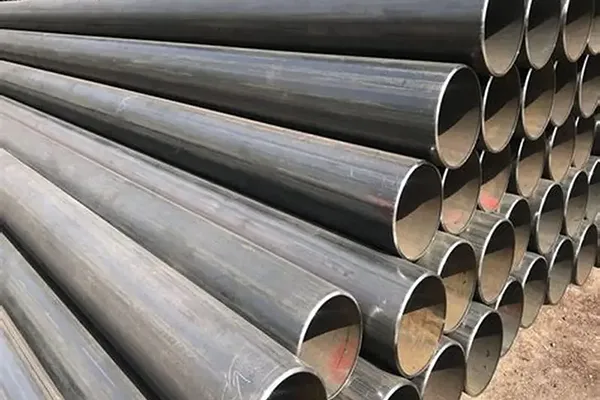
Typical application: large diameter pipes for transporting oil and gas
Effect of molybdenum: prevents the formation of perlite after final rolling, promoting a good combination of strength and low-temperature durability
For more than fifty years, the most economical and efficient way to transport natural gas and crude oil over Long distances is through pipes made of large-diameter steel. These large pipes range in diameter from 20″ to 56″ (51 cm to 142 cm), but typically vary from 24″ to 48″ (61 cm to 122 cm).
As global energy demand increases and new gas fields are discovered in increasingly difficult and remote locations, the need for greater transportation capacity and increased pipeline safety is driving final design specifications and costs. Rapidly growing economies such as China, Brazil and India have further boosted pipeline demand.
Demand for large-diameter pipes has exceeded available supply in traditional production channels that use heavy plates in UOE (U-forming O-forming E-xpansion) pipes, leading to bottlenecks during the process. Therefore, the relevance of large-diameter and large-caliber spiral tubes produced from hot strips has increased significantly.
The use of high-strength low-alloy steel (HSLA) was established in the 1970s with the introduction of the thermomechanical rolling process, which combined micro-alloying with niobium (Nb), vanadium (V). and/or titanium (Ti), allowing for higher strength performance. high-strength steel can be produced without the need for costly additional heat treatment processes. Typically, these early HSLA series tubular steels were based on pearlite-ferrite microstructures to produce tubular steels up to X65 (minimum yield strength of 65 ksi).
Over time, the need for higher-strength pipes led to extensive research in the 1970s and early 1980s to develop strength of X70 or greater using steel designs low carbon, many of which use the molybdenum-niobium alloy concept. However, with the introduction of new process technology such as accelerated cooling, it became possible to develop higher strengths with much leaner alloy designs.
Nevertheless, whenever rolling mills are not capable of applying the required cooling rates on the run-out-table, or do not even have the necessary accelerated cooling equipment, the only practical solution is using selected additions of alloying elements to develop the desired steel properties. With X70 becoming the workhorse of modern pipeline projects and the increasing popularity of spiral line pipe, the demand for cost-effective heavy gauge plates and hot-rolled coils produced in both Steckel mills and conventional hot-strip mills has grown significantly over the past several years.
More recently, the first large-scale projects using X80-grade material for long-distance large-diameter pipe were realized in China. Many of the mills supplying these projects use alloying concepts involving molybdenum additions based on metallurgical developments made during the 1970s. Molybdenum-based alloy designs have also proven their worth for lighter medium-diameter tubing. The driving force here is efficient pipe installation and high operational reliability.
Since commercialization, the operating pressure of gas pipelines has increased from 10 to 120 bar. With the development of the X120 type, the operating pressure can be further increased to 150 bar. Increasing pressures require the use of steel pipes with thicker walls and/or higher strengths. Since total material costs can account for more than 30% of total pipeline costs for an onshore project, reducing the amount of steel used through higher strength can result in significant savings.
Post time: Sep-18-2023










 English
 Español
 русский язык
 Português