Product News

Hunan Great Steel Pipe Co., Ltd
Stainless Steel Heat Exchanger Tube,Heat Exchanger Tube Structure,Heat Exchanger Tube Design,Industrial Heat Exchanger Tubes

What Are the Structural Features of Stainless Steel Heat Exchanger Tubes

Date: 2026-06-15
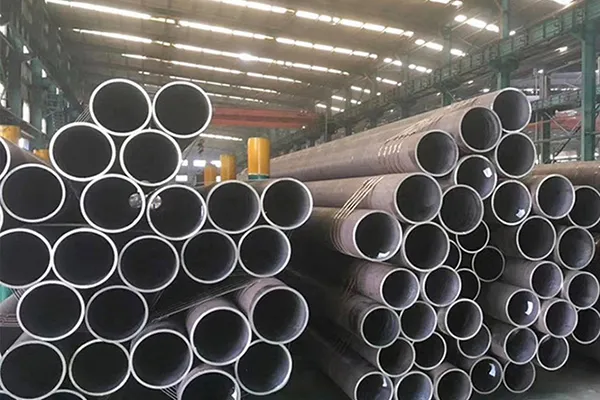
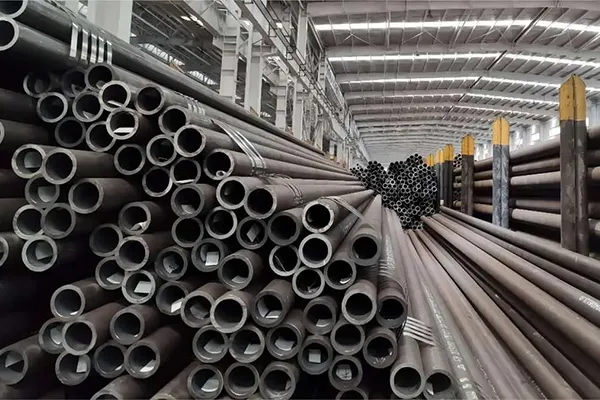
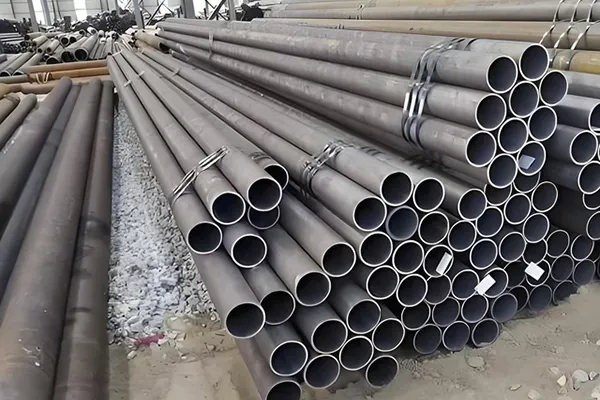
Stainless steel heat exchanger tubes are essential components in modern heat transfer systems and are widely used in industries such as petrochemical processing, power generation, food and beverage manufacturing, pharmaceuticals, marine engineering, and HVAC applications. Their primary role is to transfer heat efficiently between fluids while maintaining reliable performance under varying temperatures, pressures, and operating conditions. The effectiveness of a heat exchanger tube depends not only on the stainless steel grade but also on its structural design. Features such as dimensional accuracy, wall thickness, surface quality, corrosion resistance, and mechanical strength directly influence heat transfer efficiency, operational safety, and service life.

Precision Tube Body Structure
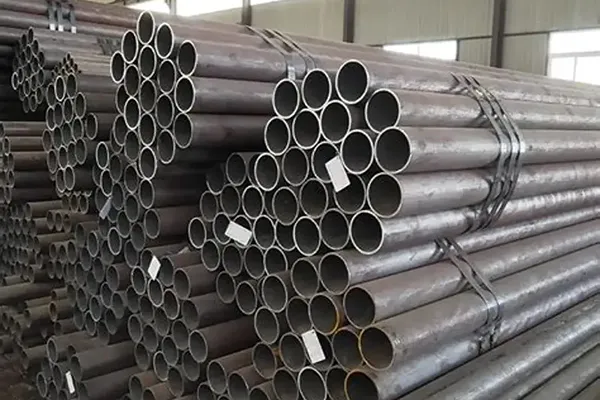
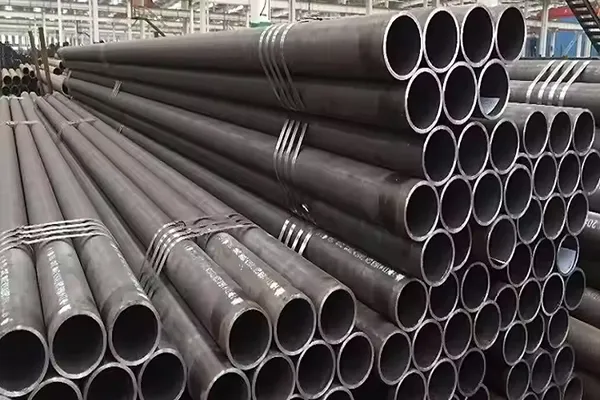
The tube body forms the core structure of a stainless steel heat exchanger tube. To ensure compatibility with heat exchanger assemblies and stable operating performance, tubes are manufactured according to strict dimensional standards.
Key structural parameters include: Outside diameter, Wall thickness, Tube length, and Straightness tolerance. 
Accurate dimensions help maintain consistent heat transfer performance and improve installation efficiency. Uniform wall thickness is particularly important because it distributes internal pressure evenly across the tube surface, reducing stress concentrations and enhancing operational reliability.
Precise manufacturing also improves the fit between tubes and tube sheets, supporting long-term performance in demanding industrial environments.

Optimized Wall Thickness Design
Wall thickness is a critical factor that affects both thermal efficiency and mechanical strength.
Thinner tube walls generally improve heat transfer by reducing thermal resistance between fluids. However, applications involving high pressure, corrosive media, or elevated temperatures often require thicker walls to provide additional structural support.
When selecting wall thickness, engineers typically consider: Operating pressure, Working temperature, Fluid characteristics, and Industry standards and design requirements.
A properly optimized wall thickness helps achieve an effective balance between heat transfer performance and long-term durability.

Smooth Internal and External Surfaces
Surface quality plays a significant role in the overall performance of stainless steel heat exchanger tubes. Manufacturing processes such as pickling, passivation, and polishing help improve cleanliness, corrosion resistance, and operational efficiency.
A smooth internal surface offers several advantages: Reduced flow resistance, Improved fluid circulation, Lower fouling and scale buildup, and Enhanced heat transfer efficiency.
The external surface is equally important because it supports the formation of a stable passive oxide layer. This protective film helps shield the tube from environmental and chemical corrosion, contributing to longer service life and reduced maintenance requirements.
Corrosion-Resistant Structural Composition
One of the most valuable characteristics of stainless steel heat exchanger tubes is their corrosion-resistant structure.
Chromium, a key alloying element in stainless steel, reacts with oxygen to form a thin self-healing oxide layer on the tube surface. This passive film protects the underlying metal from moisture, chemicals, and other corrosive substances.
Additional alloying elements may be added to enhance performance:
- Nickel improves toughness and corrosion resistance.
- Molybdenum increases resistance to pitting and crevice corrosion.
- Specialized alloy compositions improve high-temperature oxidation resistance.
These properties make stainless steel heat exchanger tubes suitable for chemical plants, offshore platforms, desalination facilities, and other challenging environments.

Strong Mechanical Performance
Heat exchanger tubes are frequently exposed to thermal cycling, vibration, pressure fluctuations, and mechanical stress during operation.
To withstand these conditions, stainless steel heat exchanger tubes provide: High tensile strength, Excellent ductility, Good impact resistance, and Strong fatigue performance.
These mechanical properties help prevent deformation, cracking, and premature failure while maintaining dimensional stability over extended service periods. Stainless steel also retains much of its strength at elevated temperatures, making it a reliable material for demanding heat exchange applications.

Weldability and Fabrication Advantages
Many heat exchanger systems require tube bending, welding, expansion, or forming during manufacturing and installation.
Stainless steel heat exchanger tubes offer excellent weldability and formability, allowing manufacturers to produce complex equipment designs without compromising structural integrity. These fabrication advantages improve production efficiency, simplify installation, and provide greater flexibility for customized heat exchanger solutions.

Conclusion
The structural performance of stainless steel heat exchanger tubes is defined by precise dimensional control, optimized wall thickness, smooth surface finishes, corrosion-resistant alloy composition, strong mechanical properties, and excellent fabrication capabilities.
Together, these features enable efficient heat transfer, dependable pressure resistance, and long-term durability across a wide range of industrial applications. As industries continue to demand higher efficiency, reliability, and sustainability, stainless steel heat exchanger tubes remain a trusted solution for modern heat exchange systems worldwide.

Latest news list

  • KIOGE 2026 exhibition supplier,Central Asia oil and gas pipeline supplier,Kazakhstan steel pipe
    Global maritime shipping instability and rising freight costs have greatly affected international steel trade in recent years,Many overseas orders are delayed or blocked due to complex logistics and regional uncertainties,To avoid market risks and create stable supply channels for global clients,we have adjusted our global trade strategy,We build overseas warehouse networks and set up a professional international procurement team to support steady order delivery,Focusing on long-term and stable development,we are actively following the Belt and Road Initiative and shifting our focus to Central Asian markets,These inland markets are less affected by sea shipping risks and have huge potential in energy and infrastructure construction,After long-term market cultivation,we have accumulated stable local client resources and rich project service experience in Central Asia,
  • stainless steel heat exchanger tube,heat exchanger tube selection,304 vs 316 stainless steel tube,corrosion-resistant heat exchanger tube,stainless steel tube for heat exchanger
    Stainless steel heat exchanger tubes are widely used in petrochemical plants,power stations,food processing facilities,pharmaceutical manufacturing,marine engineering,and HVAC systems,Selecting the right tube is essential for ensuring efficient heat transfer,corrosion resistance,and long-term operational reliability,Because operating conditions vary significantly between industries,tube selection should be based on application requirements rather than cost alone,
  • stainless steel heat exchanger tube,stainless steel heat exchanger tube maintenance,heat exchanger tube cleaning,heat exchanger tube inspection
    Stainless steel heat exchanger tubes are widely used in power generation,petrochemical processing,food manufacturing,pharmaceuticals,marine engineering,and HVAC systems,Known for their excellent corrosion resistance and heat transfer efficiency,these tubes can provide decades of reliable service when properly operated and maintained,Regular inspection,cleaning,and preventive maintenance are essential for maximizing performance,reducing downtime,and extending the service life of stainless steel heat exchanger tubes,
  • heat exchanger tube production,heat exchanger tube production,heat exchanger tube welding,stainless steel tube heat treatment,stainless steel heat exchanger tube
    The quality of stainless steel heat exchanger tube manufacturing directly affects heat transfer efficiency,corrosion resistance,mechanical strength,and service life,
  • Central Asia steel market 2026,steel prices Kazakhstan,Uzbekistan steel demand,China steel exports Central Asia,Central Asia steel outlook
    Steel prices are climbing across Central Asia,Almaty's rebar price hit 328,000 tenge per ton in early June,driven by currency swings and steady demand,Suppliers should be watching this market closely – it's changing fast,

Find what you need ?

close
We use cookies and other tracking technologies to improve your browsing experience on our website, to show you personalized content and targeted ads, to analyze our website traffic, and to understand where our visitors are coming from.