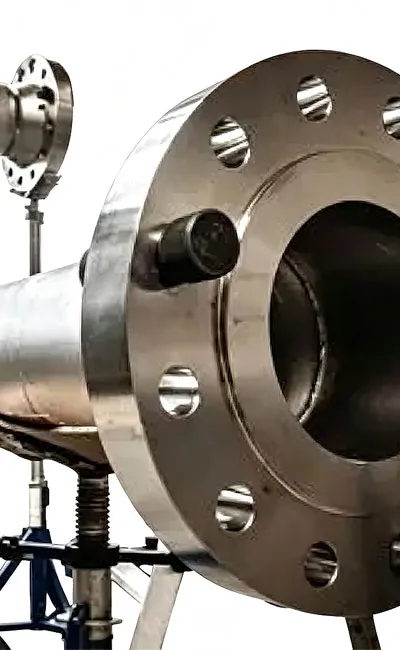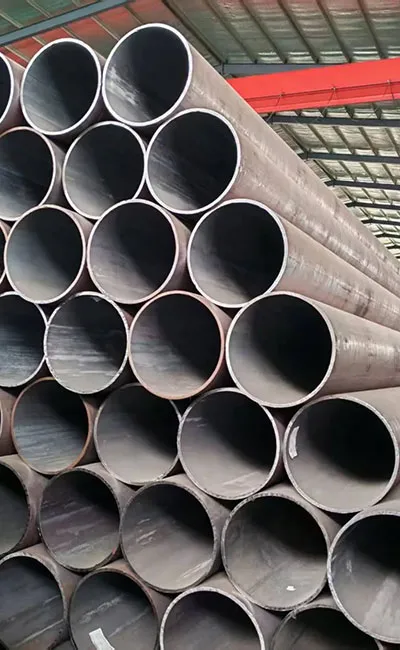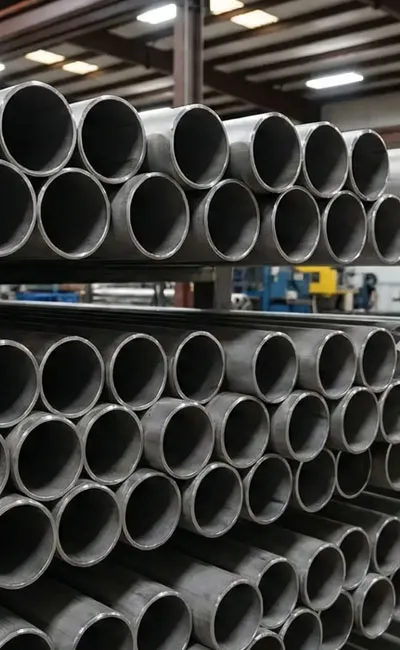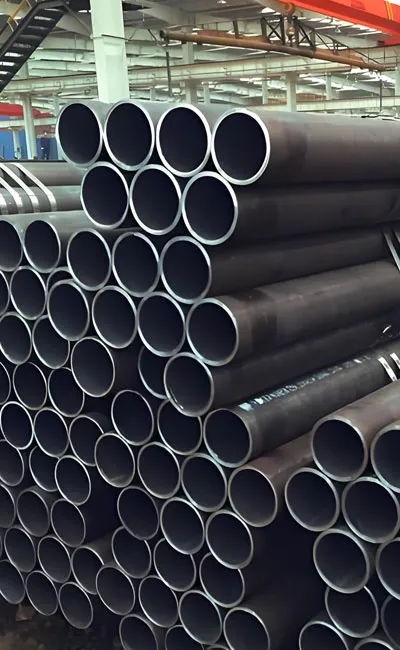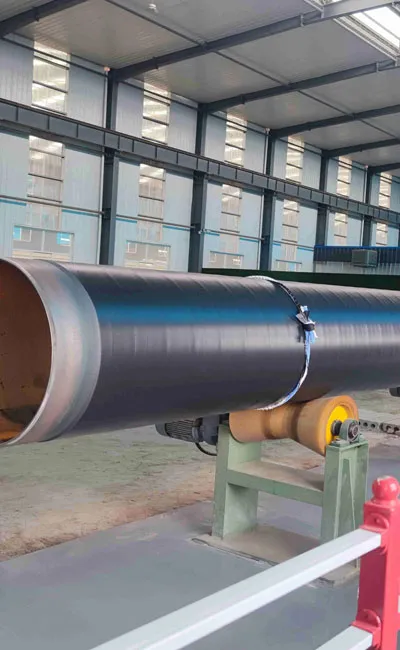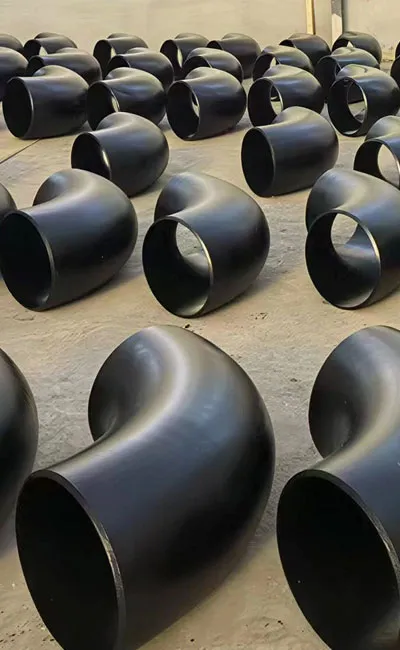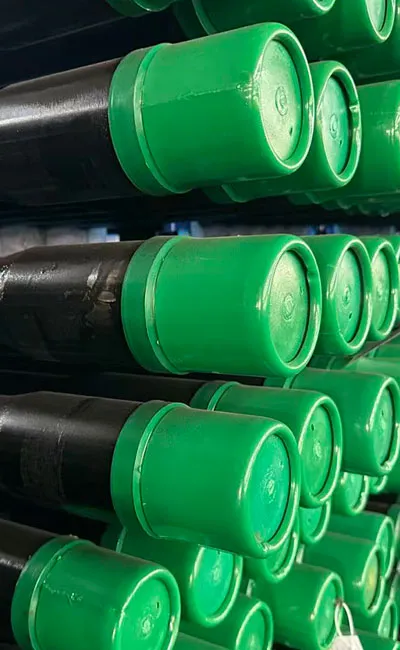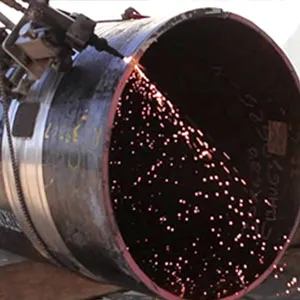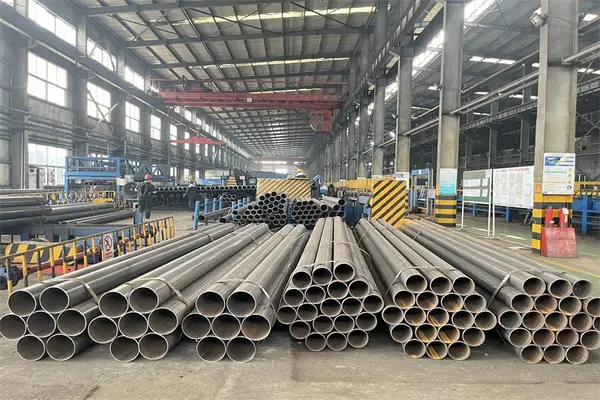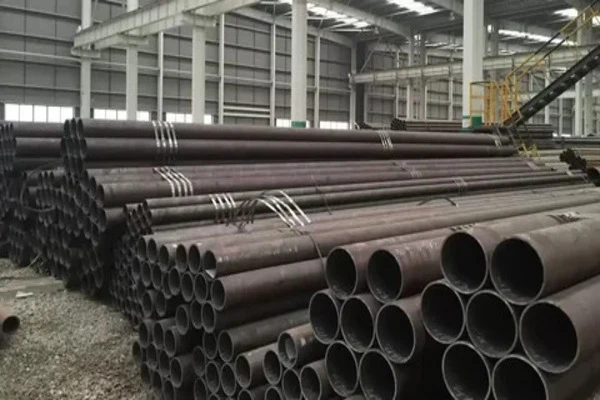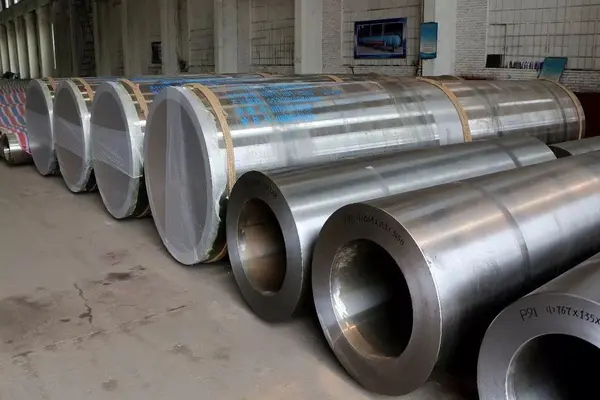

Beveled ends can be processed into various angles and shapes according to the welding requirements, pipe specifications, and material characteristics, so as to achieve better welding seam quality. The common beveled ends for butt joints are as follows:
1. I-Type Butt Joint
The I-type butt joint is a simple bevel type with no obvious bevel angle, and the two pipe ends are directly butted for welding. It is suitable for thin-walled pipes (wall thickness ≤ 3mm) or pipes with low welding strength requirements. It has the advantages of simple processing, high efficiency, and low cost, but it is only applicable to simple welding scenarios.
2. Single-V Beveled End
The single-V beveled end is the most commonly used bevel type, with a bevel angle of 30°-60° (usually 45°). It is suitable for medium-thick wall pipes (wall thickness 3-10mm), and has the advantages of simple processing, good welding operability, and full weld penetration. It is widely used in petroleum, chemical, and municipal pipeline projects.
3. Double-V Beveled End
The double-V beveled end is processed with V-shaped bevels on both the inner and outer sides of the pipe end, with a bevel angle of 30°-50°. It is suitable for thick-walled pipes (wall thickness > 10mm) or pipes with high welding strength requirements. The double-V shape can further increase the weld penetration depth, reduce welding stress, and improve the impact resistance of the weld seam, but the processing difficulty and cost are higher than those of the single-V beveled end.
4.Single-U Beveled End
The single-U beveled end has a U-shaped groove, with a rounded bottom and a bevel angle of 20°-40°. It is suitable for thick-walled pipes and high-strength steel pipes. The U-shaped groove can reduce the amount of welding material, save welding time, and reduce welding deformation. At the same time, the rounded bottom can avoid stress concentration and improve the service life of the weld seam, but the processing requires professional equipment and high precision.
To ensure the safety of the processing process, the accuracy of the bevel, and the quality of the subsequent welding, the following precautions must be strictly observed during the beveling process:
Parameter Control: Strictly follow the project drawings and calculated parameters to set the bevel angle and groove depth, and avoid random adjustment of parameters, which may lead to unqualified bevel and affect welding quality.
Workpiece Protection: During processing, avoid scratching the surface of the workpiece, especially the bevel surface. For high-precision workpieces, take protective measures to ensure the surface quality of the bevel.
Safety Protection: Operators must wear personal protective equipment (gloves, goggles, protective clothing, etc.) during operation to avoid injury caused by debris splashing during beveling.
Quality Inspection: Conduct full-process quality inspection during beveling. For each batch of workpieces, sample inspection must be carried out to ensure that the bevel parameters meet the requirements. Unqualified workpieces are not allowed to enter the welding process.
Material Adaptation: For different materials (carbon steel, stainless steel, alloy steel), select the appropriate beveling equipment and processing parameters. For materials with high hardness, the processing speed should be appropriately reduced to avoid equipment damage or bevel defects.








 English
 Español
 русский язык
 Português