Cutting Service
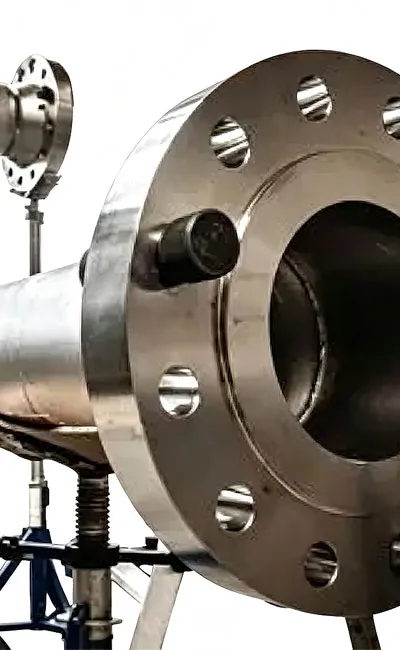
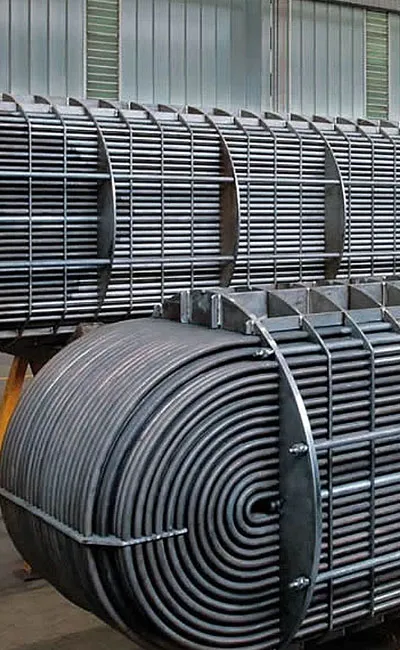
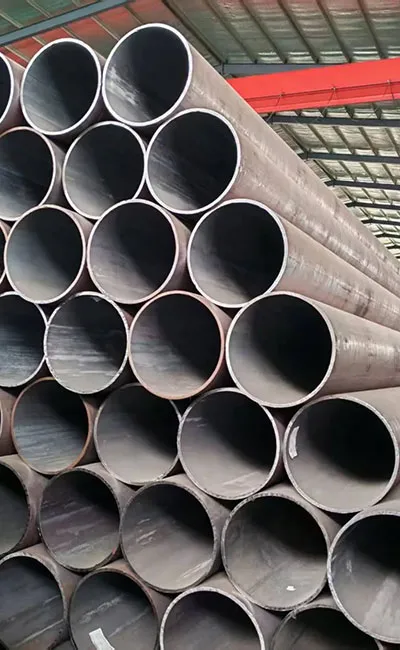
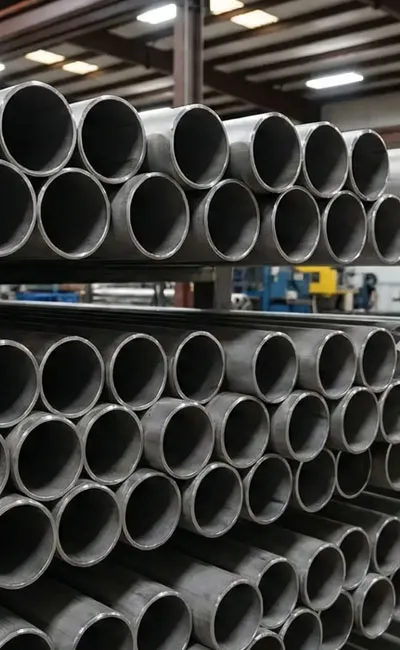
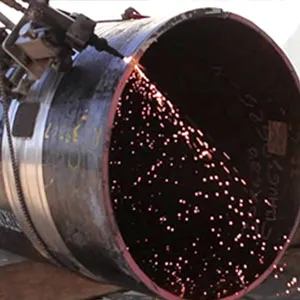
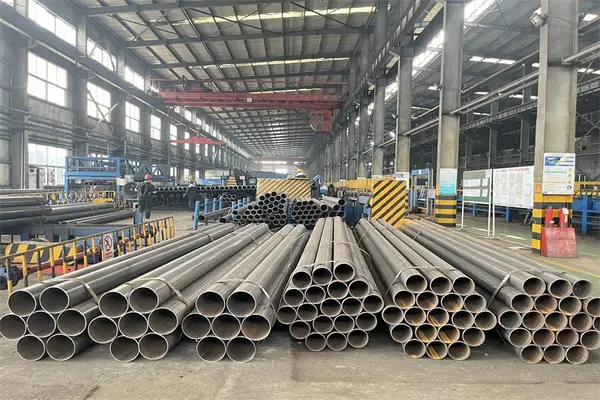
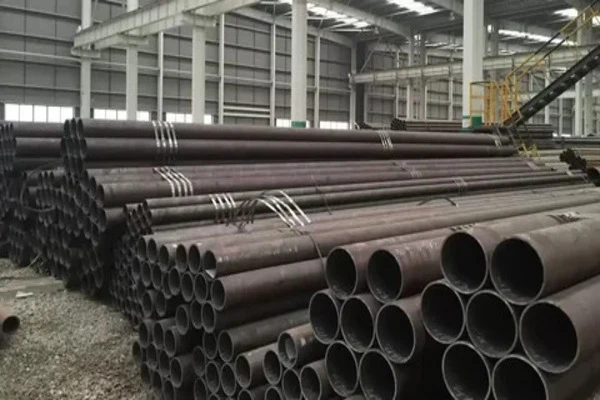
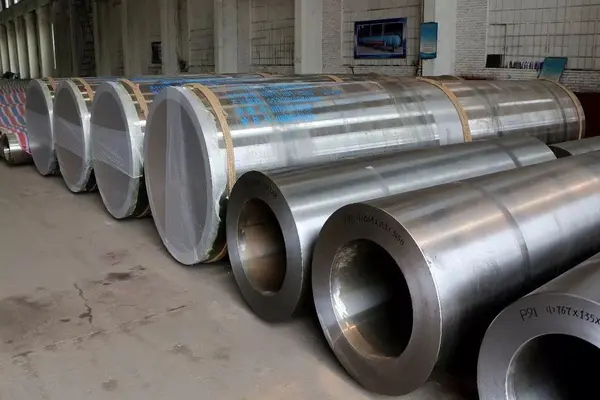
As a core pre-processing procedure of our high-value-added services, our cutting service adheres to strict operation standards and provides diversified cutting methods, ensuring high precision, high efficiency and high quality to meet the customized needs of global customers. The detailed process and specifications are as follows:
Before Cutting Pipe and Tubing
To ensure the accuracy and smoothness of the cut, we strictly implement the following pre-cut preparation steps for all pipe and tubing materials:
No matter the material, measure the diameter of the pipe or tube to be cut to ensure that we use the right-size tube cutter for the job, laying a foundation for precise cutting.
When determining how to make a straight cut, use a tape measure and a pencil or other writing instrument to mark on the surface where we want to cut. If possible, we mark around the circumference of a pipe, especially when cutting with a handsaw, to ensure the cut is straight.
Ensure that a cut is as straight as possible by securing the pipe with a vise, clamp, miter box or even duct tape to keep the length from shifting out of place while cutting, avoiding errors caused by material movement.
Cutting Ways
We comprehensively consider multiple factors to select the most suitable cutting method for each project, including pipe/tube material, wall thickness, end squareness, end-conditioning requirements, secondary process needs, production volume, cutting efficiency, overhead costs and special material requirements. Our available cutting methods are as follows:
1. Abrasive Cutting
Abrasive sawing is a basic, manual method of cutting-to-length product to the customer’s specification in any alloy, flexible and applicable to various alloy materials.
2. Band Saw Cutting
Band saw cutting is a fully automatic process and the most common method for cutting rod, bar, pipe, and tubing. This process is excellent for large-volume cutting, and some band saws can handle large product bundles to improve production efficiency.
3. Cold Sawing
High-precision cold sawing is suitable for cutting smaller-diameter or thin-walled material that requires tight tolerances. A circular cold saw uses a wheel blade and cutting fluid (usually applied with a mist lubricator) to ensure cutting precision.
4. Laser Cutting
Despite the high capital cost, a laser cutting system provides a range of capabilities and associated advantages. Easily controlled with automation equipment (CNC), a laser allows our operator to cut, deburr, inspect, and even pack material while the laser runs continuously, realizing efficient and integrated processing.
5. Lathe Cutting
Lathe cutting is ideal for thin-walled material, producing square cut ends with minimum burr. Multiple cross slides permit deburring or chamfering the OD of both ends during the lathe cutting process, reducing secondary processing steps.
6. Shearing
A tube shear is a completely automatic, high-speed machine that uses two shearing plates and two ID punches under extreme pressure to cut tubing. The shearing action is the same for all sizes and wall thicknesses within maximum limits, ensuring stable and efficient cutting.
With professional equipment, strict operation standards and diversified cutting methods, we can meet the cutting needs of different projects, providing reliable pre-processing support for subsequent procedures such as welding, beveling and assembly.









 English
 Español
 русский язык
 Português